
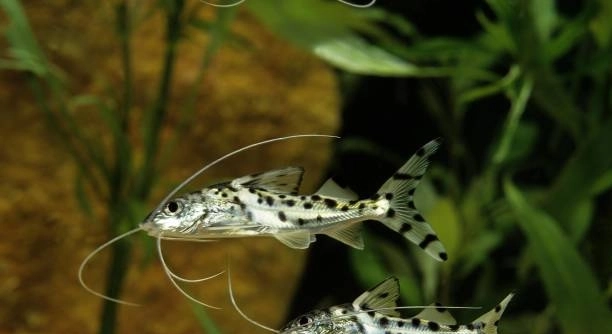
Many fishkeepers wonder whether adding salt to a Pictus catfish tank benefits their fish. The practice varies among aquarists, and opinions differ on its safety and usefulness. This article aims to clarify the role of salt for these unique freshwater fish.
Adding salt to a Pictus catfish tank is generally not necessary and can be harmful if overused. These fish are freshwater species sensitive to high salt levels, so salt should only be used in specific situations like treating illness and with caution.
Understanding when and how to use salt properly will help maintain a healthy environment for your Pictus catfish. This knowledge can improve their wellbeing and avoid unintended harm in your aquarium.
Why Some Aquarists Use Salt in Freshwater Tanks
Some fishkeepers add salt to freshwater tanks to help with stress, disease prevention, or parasite control. Salt can improve gill function and reduce certain bacterial infections in some fish species. However, not all fish tolerate salt the same way. Pictus catfish are more sensitive to salt because they come from freshwater habitats with very low salinity. Adding salt without careful measurement may cause stress or damage to their delicate skin and gills.
Salt use requires precise dosing and monitoring. Too much salt can upset the balance of the tank’s ecosystem. It can also harm beneficial bacteria in the filter, which are essential for breaking down waste.
Many aquarists prefer alternative treatments to avoid salt-related risks for Pictus catfish. Understanding the specific needs of your fish will help you decide if salt is necessary. Use salt only as a targeted treatment, not a regular additive.
Safe Salt Practices for Pictus Catfish Tanks
Salt should only be added to a Pictus catfish tank under specific conditions, such as treating certain diseases or parasites.
When using salt, it’s important to dissolve it completely before adding it to the aquarium. Always measure carefully and avoid adding too much at once, as sudden changes can shock the fish. Monitor the fish closely during treatment and perform regular water changes to prevent salt buildup. If your fish show signs of distress, remove the salt immediately and return to plain freshwater. Many aquarists recommend consulting a veterinarian or experienced fishkeeper before beginning salt treatments. Following proper guidelines minimizes risks and protects your Pictus catfish’s health while addressing health problems effectively.
Effects of Salt on Pictus Catfish Behavior
Adding salt to a Pictus catfish tank can change their behavior. Some fish may become less active or hide more. This is often a sign of stress caused by the salt.
Stress weakens their immune system, making them more vulnerable to illness. Pictus catfish may stop eating or swim erratically. Over time, high salt levels can damage their gills and skin. These effects reduce their overall health and lifespan. Observing your fish closely after adding salt is important to catch any negative reactions early. If signs of stress appear, stop using salt immediately and perform water changes to restore normal conditions.
Because Pictus catfish are sensitive, salt should never be a regular part of their tank maintenance. Using salt only when necessary helps keep their behavior natural and their health stable.
Alternatives to Salt Treatment
There are safer options for treating common illnesses in Pictus catfish without adding salt. Medications designed specifically for freshwater fish can target parasites and bacterial infections effectively. Maintaining good water quality with regular changes also prevents many health issues.
Proper tank hygiene and a balanced diet strengthen the fish’s immune system, reducing the need for treatments. Adding plants and hiding spots decreases stress and supports natural behavior. Using salt-free remedies is often better suited for sensitive species like Pictus catfish. These methods protect the delicate balance of the aquarium and keep your fish healthy without risking the side effects of salt.
Choosing alternative treatments requires research but provides a safer way to care for your fish. Many experienced aquarists prefer these methods for long-term tank success.
When to Avoid Using Salt
Salt should never be added if your Pictus catfish show signs of illness unrelated to parasites or bacteria. Avoid salt during breeding or when keeping live plants sensitive to salinity. It can harm eggs, fry, and beneficial tank inhabitants.
Using salt in stable, healthy tanks is unnecessary and may do more harm than good.
Monitoring Salt Levels
Regularly check salt concentration when using it for treatment. Use a reliable aquarium salt test kit to ensure safe levels. Keeping salt within recommended limits prevents accidental overdosing that could stress your fish or damage tank ecosystems.
Proper monitoring supports effective treatment without risking harm.
Signs Salt Is Harming Your Fish
Watch for unusual behaviors like lethargy, rapid breathing, or faded coloration. These may indicate salt stress. If symptoms appear, remove salt immediately with partial water changes.
Early detection helps prevent lasting damage and keeps fish healthy.
FAQ
Is salt safe for Pictus catfish in small amounts?
Salt can be safe in very small amounts, but Pictus catfish are sensitive, so even low levels may cause stress. It is better to avoid regular salt use unless you are treating specific health issues. Always monitor your fish closely if you decide to use salt.
How much salt should I add if I need to treat disease?
For treating diseases, typically 1 to 3 grams of aquarium salt per liter of water is used, but this depends on the illness. It is important to follow treatment instructions carefully and not exceed recommended doses, as Pictus catfish can be harmed by too much salt.
Can salt prevent diseases in a Pictus catfish tank?
Salt is not a reliable preventative measure for diseases in Pictus catfish tanks. Good water quality, proper diet, and tank hygiene are more effective ways to keep fish healthy and reduce disease risk.
What are the risks of adding salt regularly?
Regular salt use can lead to stress, damaged gills, and disrupted beneficial bacteria in the tank. It may also harm sensitive plants and other tank inhabitants. Over time, salt buildup can create an unhealthy environment.
How do I remove salt from the tank after treatment?
Perform partial water changes using fresh, dechlorinated water. This gradually lowers salt levels without shocking the fish. Frequent water testing helps ensure salt returns to safe, natural levels.
Can salt help with parasites on Pictus catfish?
Salt can be effective against some external parasites, but not all. It should be used carefully and only as part of a broader treatment plan. Consult a veterinarian or fish specialist for proper diagnosis and treatment options.
What signs show my Pictus catfish is stressed from salt?
Signs include reduced activity, hiding, rapid breathing, loss of appetite, and faded colors. If you notice these symptoms after adding salt, remove it immediately and improve water quality with fresh water changes.
Are there salt alternatives for treating diseases?
Yes, many medications designed for freshwater fish work without adding salt. These often target specific parasites or bacteria and are safer for sensitive species like Pictus catfish. Research and follow instructions carefully.
Can salt harm the beneficial bacteria in my tank?
Yes, high salt levels can kill or reduce beneficial bacteria responsible for breaking down waste. This can lead to poor water quality and increased stress for your fish. Avoid salt in healthy tanks.
Should I use salt when adding new fish to the tank?
Salt is not necessary for quarantining new fish. Instead, use proper quarantine procedures like separate tanks and medication if needed. Salt can stress sensitive fish like Pictus catfish.
How long should salt treatments last?
Salt treatments usually last from a few days to a week, depending on the condition being treated. Follow specific guidelines and avoid prolonged use to prevent harm to your fish and tank environment.
What type of salt is best for aquarium use?
Use only aquarium-grade salt, which is free of additives and chemicals harmful to fish. Avoid table salt or iodized salt, as these contain ingredients that can damage your tank and fish health.
When caring for Pictus catfish, adding salt to their tank is not usually necessary. These fish come from freshwater environments that have very little to no salt, so their bodies are not built to handle salty water. While salt can sometimes help treat specific illnesses, it is important to use it carefully and only when needed. Overusing salt can cause stress and harm the fish, which may lead to other health problems. For most everyday tank maintenance, keeping the water clean and stable is a better way to support your Pictus catfish’s health.
Salt treatments can be useful in certain situations, such as fighting parasites or bacterial infections. However, dosing must be precise, and the fish should be monitored closely during treatment. Adding salt suddenly or in large amounts can shock the fish and damage their sensitive gills and skin. After treatment, removing excess salt through water changes is necessary to keep the environment safe. If you notice any signs of stress or unusual behavior, it is best to stop the salt treatment immediately and adjust the care routine. Always research or consult experts before starting salt treatments to avoid unintended problems.
There are many alternatives to using salt that can protect the health of your Pictus catfish. Good water quality, a balanced diet, and a clean tank provide the foundation for strong, healthy fish. Using medications designed for freshwater fish and maintaining proper tank hygiene often works better than salt treatments. Understanding your fish’s needs and carefully observing their behavior will help you make the best decisions for their care. Salt is a tool, not a regular necessity, and should be used sparingly to keep your Pictus catfish happy and thriving in their aquarium.

Hello,
If you enjoy the content that we create, please consider saying a "Thank You!" by leaving a tip.
Every little bit helps us continue crafting quality advice that supports the health, happiness, and well-being of pets around the world, for pets of all shapes, sizes, and species.
We really appreciate the kindness and support that you show us!