
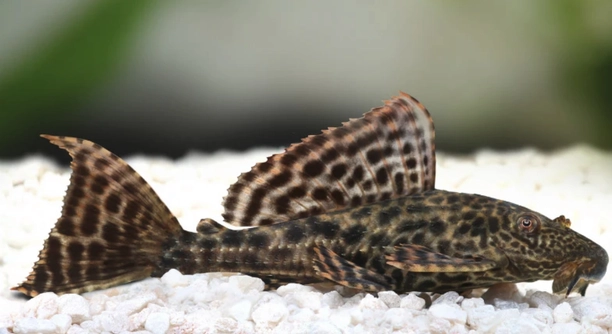
Have you ever set up a beautiful aquarium and started to wonder if your pleco needs something extra to stay happy and healthy?
Adding driftwood to your pleco’s tank is highly recommended. It provides a natural source of fiber for digestion, encourages natural grazing behavior, and helps maintain a balanced environment by releasing beneficial tannins into the water.
There’s more to driftwood than just decoration—it can play a key role in your pleco’s daily routine and overall well-being.
Why Driftwood Helps Your Pleco Stay Healthy
Driftwood does more than make your aquarium look nice. For plecos, it plays a big role in daily care. Many pleco species, especially wood-eating types like the Panaque, naturally graze on driftwood in the wild. It helps their digestion by offering dietary fiber and encourages their natural scraping behavior. Without driftwood, some plecos may lack the stimulation and nutrition they need. The tannins released by driftwood can also lower water pH slightly, creating conditions closer to their natural habitat. On top of that, it supports biofilm and algae growth, which plecos enjoy nibbling on. Choosing untreated, aquarium-safe driftwood is important to avoid affecting the water chemistry too much or harming your fish. Mopani and Malaysian driftwood are two common options, both sturdy and long-lasting. Once added, give the wood time to soak and release any tannins gradually. Your pleco will thank you for the addition.
Some plecos gnaw on driftwood regularly, and it keeps their mouths active and engaged.
This simple addition can also reduce stress. A well-placed piece of driftwood gives your pleco a shaded hiding place and a secure spot to rest during the day.
What to Consider Before Adding Driftwood
Not all driftwood is the same, and some types may change the water too much.
Driftwood needs to be properly prepared before placing it into your aquarium. It should be soaked thoroughly, often for several days or even weeks, to remove excess tannins and prevent water from turning too dark. Soaking also helps the wood become waterlogged so it won’t float. Boiling the wood can speed this up and kill any unwanted bacteria or parasites. Be sure to rinse well afterward. Placement is also important—keep it in a stable spot where it won’t shift or damage your tank setup. Some driftwood pieces may have sharp edges, so check carefully and sand them down if needed. Once it’s ready, watch how your pleco reacts. Some may begin grazing within hours, while others take a bit longer. Keep an eye on water parameters in the days that follow, especially pH and clarity, as changes may occur. Regular maintenance will keep things balanced.
How to Pick the Right Driftwood for Your Tank
Start by looking for pieces labeled as aquarium-safe. Avoid driftwood meant for reptiles or outdoor decoration. Choose wood that fits your tank’s size and layout, with enough room for your pleco to graze comfortably and hide underneath if needed.
Mopani wood is a great option because it sinks quickly and has a solid structure that plecos enjoy. It may release more tannins at first, so be prepared for darker water. Malaysian driftwood is another safe choice, usually smoother and easier to place. Spider wood looks nice but may not offer much grazing area, so it’s better for aesthetics than pleco care. Avoid using collected wood from outside unless it’s been properly cleaned, dried, and treated. Stick with trusted sources from aquarium shops or reliable sellers. Size matters too—make sure the piece won’t crowd your tank or block your filter. A well-balanced setup is important for your pleco’s comfort.
Some types of wood break down over time, and that’s okay. Soft driftwood slowly gets eaten, which is part of its purpose in a pleco tank. Just monitor the condition of the wood every few months and replace it if it starts to fall apart too much or makes a mess.
Common Issues You Might Notice
It’s normal for water to darken after adding driftwood. This happens from tannins and usually isn’t harmful. If the color change bothers you, frequent water changes and activated carbon can help clear things up over time.
Another issue that sometimes comes up is white, fuzzy growth on the wood. This biofilm is harmless and usually goes away on its own within a few weeks. Plecos and shrimp may even eat it. If it spreads too much, you can gently brush it off or siphon it during regular tank maintenance. Some wood types may also raise or lower pH levels slightly, so it’s smart to check your water weekly until things stabilize. If the driftwood floats, it probably wasn’t soaked long enough. Secure it with rocks or weigh it down temporarily until it stays submerged. Keep an eye on how your pleco behaves with the new addition. If it seems active and healthy, that’s a good sign the driftwood is doing its job.
How Long Driftwood Lasts in a Pleco Tank
Most driftwood can last several years in an aquarium, especially harder woods like Mopani. Over time, plecos will slowly wear it down by grazing, but it happens gradually and doesn’t need constant replacing.
Soft woods may break down faster and create more debris. If the wood becomes mushy or starts to fall apart, it’s time to take it out. Replacing it every year or two helps keep the tank clean and safe.
Signs Your Pleco Likes the Driftwood
If your pleco is spending time on or near the driftwood, it’s a good sign. You might notice it grazing along the surface or hiding beneath the wood during the day. A pleco that uses the wood regularly likely feels secure and is benefiting from it. Cleaner-looking driftwood surfaces may also show that it’s being used often. Watch your pleco’s energy and eating habits too. If it seems calm, active at night, and not overly hiding, the driftwood is likely helping meet its needs. Plecos are shy but observant fish, and they tend to stick close to things they enjoy and feel safe around.
Can Driftwood Be the Only Hiding Spot?
It’s better to have a mix of hiding places. Driftwood offers shade, but caves or plants add more options.
FAQ
Can driftwood change the water color in my pleco tank?
Yes, it can. When you first add driftwood, it may release tannins into the water. This gives the water a brown or tea-like tint. It’s not harmful to fish and can actually lower pH slightly, which some species prefer. Over time, the color fades with regular water changes. If you want to speed things up, soaking the driftwood for several days before adding it to the tank or using activated carbon in your filter can help reduce the tint faster.
Do plecos actually eat the wood?
Plecos don’t eat wood for nutrition in the same way they eat vegetables or wafers. What they do is rasp on the wood surface, especially soft driftwood, to help with digestion. Some species like the common Bristlenose or clown plecos especially enjoy this behavior. Wood helps them break down plant matter by providing fiber. If your pleco doesn’t show much interest in the wood, it might just prefer another type or may already be getting enough fiber from its diet.
How do I prepare driftwood before adding it to my tank?
You should always clean and soak driftwood before adding it to your aquarium. Rinse it with warm water and use a clean brush to scrub off any dirt or loose bark. Never use soap or chemicals. Then, soak it in a container of clean water for several days or weeks, changing the water daily. This helps remove excess tannins and ensures the wood becomes waterlogged and sinks. If you skip this step, the driftwood might float or discolor your tank more than expected.
What if my driftwood grows white fuzz?
That white fuzz is a biofilm, and it’s completely normal. It appears shortly after adding new driftwood, especially in newer tanks. It’s made up of harmless bacteria and fungi. Many fish and shrimp will eat it, and it usually goes away on its own within a few weeks. If it looks messy, you can gently scrub it off or remove it during a water change, but it’s not dangerous to your pleco or other fish.
Can I use any wood I find outside for my aquarium?
It’s not recommended unless you’re sure the wood is safe. Outdoor wood may contain harmful substances, pesticides, or parasites that could affect your tank. If you do collect your own wood, it needs to be thoroughly cleaned, dried for weeks or even months, and then boiled or baked to kill off anything harmful. Even then, it may still release unwanted substances. It’s much safer to buy wood that’s labeled as aquarium-safe from a pet store or a trusted online source.
Is driftwood required in a pleco tank?
Not always, but it’s strongly recommended for many species. Some plecos use wood to rasp on and get fiber, while others use it more for hiding. Even if it’s not essential, driftwood provides structure, creates shaded areas, and adds to the natural look of the tank. It also helps reduce stress, which leads to a healthier, more active fish. If your tank feels too bare or open, adding a piece of driftwood can make a big difference in your pleco’s behavior and comfort.
How do I keep driftwood from floating in the tank?
Driftwood floats because it’s not fully waterlogged yet. Soaking it for a few days to a few weeks helps with this. If it still floats, you can weigh it down using rocks or secure it with aquarium-safe ties or suction cup holders. Some people also screw the driftwood onto a small tile or piece of slate to help it stay on the bottom. Over time, the wood will absorb enough water to sink on its own. Once it’s settled, you won’t need to hold it down anymore.
How often should I replace the driftwood in my tank?
There’s no fixed schedule. Hardwoods like Mopani or Malaysian driftwood can last for years, while softer types might break down more quickly. If the wood becomes mushy, starts falling apart, or causes too much debris, it’s time to replace it. Keep an eye on how your pleco interacts with it. If they’re still using it and the tank stays clean, there’s no need to change it. Just inspect it during regular tank maintenance and be ready to swap it out if needed.
Can too much driftwood harm my water quality?
Too much driftwood can release an excess of tannins or affect your water parameters slightly, especially in small tanks. It might lower pH and darken the water more than you want. In large tanks with proper filtration, this usually isn’t a big issue. If you notice cloudy water or a drop in pH, reduce the amount of driftwood and add some activated carbon. Keeping up with water changes and testing your parameters will help keep everything balanced. It’s about finding the right amount for your setup.
Final Thoughts
Adding driftwood to your pleco’s tank can be a helpful and natural addition. It provides hiding spots, supports natural behavior, and in many cases, helps with digestion. While not every pleco absolutely needs driftwood to survive, many species benefit from having access to it. The texture of certain woods allows plecos to rasp and stay busy. It also gives your tank a more natural and calm appearance. Once the driftwood is soaked and settled, it becomes a low-maintenance feature that blends easily into the aquarium setup. If you’re aiming for a tank that supports healthy and active plecos, driftwood is worth considering.
It’s important to prepare your driftwood before placing it into the tank. Rinse it, soak it, and be patient as it releases tannins and becomes fully waterlogged. Choosing the right type of wood can also make a difference. Some woods last longer, and others break down more quickly. Make sure it’s aquarium-safe and free from sharp edges or rough surfaces that could harm your fish. As you get used to working with driftwood, you’ll find what works best for your tank size, your water parameters, and your pleco’s needs. Like many parts of aquarium care, adding driftwood takes a little time and care, but the payoff is worth it.
In the end, driftwood is more than just decoration. It adds balance to the tank by creating shaded areas, improving the look of your setup, and providing natural enrichment for your pleco. Whether your pleco uses it for hiding, grazing, or resting, having driftwood can make a difference in their daily comfort. It also plays a small but useful role in water chemistry, especially when managed with proper care. If you’re looking to make your tank feel more complete and supportive of your pleco’s health, a good piece of driftwood is a simple, effective choice. With a bit of attention during setup and occasional maintenance checks, driftwood becomes a lasting part of a healthy aquarium.

Hello,
If you enjoy the content that we create, please consider saying a "Thank You!" by leaving a tip.
Every little bit helps us continue crafting quality advice that supports the health, happiness, and well-being of pets around the world, for pets of all shapes, sizes, and species.
We really appreciate the kindness and support that you show us!