
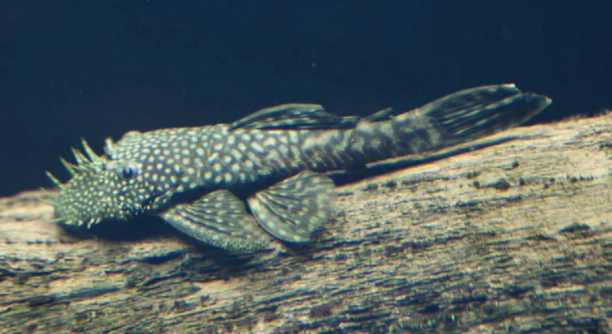
When setting up an aquarium, deciding which fish to keep together can be a challenge. Many aquarists wonder if plecos should be housed with other bottom feeders. These decisions can affect the health of your tank’s ecosystem.
Plecos, while primarily bottom-dwellers, can be kept with other bottom feeders as long as they have enough space and resources. Careful consideration of each species’ needs, such as food and territory, will prevent territorial disputes and ensure compatibility.
Knowing how to balance these factors will help you create a peaceful and thriving aquarium environment. Keep reading to learn how to successfully house plecos with other bottom feeders.
Can Plecos and Bottom Feeders Coexist?
When keeping plecos with other bottom feeders, it’s essential to assess their behavior and needs. Plecos are generally peaceful but can be territorial, especially when they feel their space is being invaded. Other bottom feeders, such as catfish or loaches, may not always get along with plecos due to competing for the same food or space. It’s important to ensure that your tank is large enough to accommodate everyone comfortably. Providing hiding spots and territories for each fish can help reduce stress and aggression. In addition, consider their diet. While plecos are mostly herbivores, some bottom feeders may require a different diet, making it harder to provide for both species simultaneously.
Setting up the right environment, such as providing enough food and places to hide, can help reduce competition. Keep a close eye on your fish during the first few weeks to ensure everyone is adjusting well.
To keep your plecos and bottom feeders happy, create multiple food sources and separate territories. Monitoring their interactions early on will help avoid conflicts later.
What Are the Best Tankmates for Plecos?
Choosing the right tankmates for plecos is crucial for maintaining peace. While plecos get along with certain species, others might not be compatible due to their territorial nature.
When selecting tankmates, opt for fish that are not bottom-dwelling and avoid overly aggressive species. Good companions include peaceful mid to upper-level swimmers, such as tetras or gouramis. These fish typically won’t compete with plecos for food or territory. Additionally, species that prefer different types of food can reduce competition. For example, plecos primarily graze on algae, while fish like mollies or swordtails eat primarily live foods, which won’t interfere with the pleco’s diet.
Finally, always ensure that your aquarium is spacious enough to give each fish its own space. Overcrowding can increase stress levels and lead to aggression, making it difficult for plecos and other bottom feeders to coexist peacefully. With careful planning and observation, you can create a harmonious tank that benefits all your fish.
Space Requirements for Plecos and Bottom Feeders
Plecos and bottom feeders need enough space to feel comfortable. When sharing a tank, make sure it’s large enough for everyone to have their own area. Overcrowding leads to stress and can cause fish to become more territorial. A tank size of at least 55 gallons is ideal for most plecos, especially when housing them with other bottom dwellers. Larger tanks reduce competition for hiding spots and food.
Ensure your tank has ample decorations and plants to break up sightlines and create private areas. This will allow each fish to establish its own space and reduce the likelihood of aggression. In addition to size, water quality and filtration are also crucial. Poor water conditions can increase stress and make it harder for your fish to coexist.
While space is important, it’s not the only factor to consider. Keeping your plecos and bottom feeders in a spacious tank will improve their overall well-being. Make sure the tank is large enough to support all your fish.
Monitoring Behavior and Interactions
Monitoring your plecos and bottom feeders during the first few weeks in a new tank is crucial. Watch for signs of aggression, such as chasing, nipping, or territorial disputes. If plecos and bottom feeders seem to be fighting over food or space, consider adding more hiding spots or rearranging the tank.
If conflicts persist, it may be necessary to separate the fish. Some species may simply not get along, despite the best tank setup. It’s important to stay patient and be proactive in adjusting their environment to promote harmony. After all, keeping fish happy and healthy means adjusting to their individual needs.
By paying attention to their behavior early on, you can make the necessary adjustments to help your plecos and bottom feeders live together peacefully. Even small changes in their environment can make a big difference.
Feeding Practices for Plecos and Bottom Feeders
Feeding plecos and bottom feeders requires careful attention to avoid competition. Plecos are primarily herbivores and prefer algae and vegetable-based foods. Bottom feeders, depending on the species, may eat live foods or detritus. Providing a variety of food ensures that both types of fish are properly nourished.
To avoid overfeeding, offer food in small portions that can be consumed within a few hours. Placing food in different areas of the tank can prevent one fish from dominating the feeding time. Additionally, consider feeding plecos at night, as they are nocturnal and may eat while others are inactive.
Feeding plecos and bottom feeders separately can help prevent issues with food competition. Use feeding stations or specialized devices to ensure each fish gets its share without stress. This practice promotes a peaceful environment, allowing both types of fish to thrive without interference.
Water Temperature and Conditions
Maintaining stable water conditions is critical for plecos and bottom feeders. Both types of fish thrive in a consistent environment, with water temperatures ranging from 72°F to 80°F. Significant fluctuations can stress fish and cause health issues.
Use a reliable thermometer and heater to regulate the tank’s temperature. It’s also essential to monitor water parameters, such as pH, hardness, and ammonia levels. Regular water changes, at least 25% every two weeks, help maintain clean and stable conditions. Filtration should be strong enough to handle the bioload, but not too intense to stress the fish.
Proper water conditions help ensure your plecos and bottom feeders remain healthy and content. Avoid sudden changes in the water and make adjustments gradually to prevent shock.
Compatibility with Other Fish Species
Plecos and bottom feeders can sometimes coexist peacefully with other species, as long as the other fish aren’t aggressive or overly territorial. Fish like tetras, guppies, or angelfish are typically compatible with plecos and bottom feeders. They don’t compete for food or space.
Avoid mixing plecos and bottom feeders with aggressive or large fish. Species like cichlids or bettas may become territorial and fight for dominance. Even smaller, more peaceful species can become stressed by larger or more assertive tankmates. Choose tankmates carefully to avoid stress or aggression.
FAQ
Can plecos live with other bottom feeders?
Yes, plecos can live with other bottom feeders, but it’s important to ensure enough space and resources for both species. Plecos are territorial by nature, especially when it comes to food and shelter. Bottom feeders like catfish or loaches might compete with plecos for the same resources. Having a large enough tank, along with plenty of hiding spots, can help prevent conflicts. Additionally, ensure both species have a varied diet to meet their different nutritional needs.
What size tank do I need for plecos and bottom feeders?
The minimum tank size for plecos and bottom feeders is typically 55 gallons. This provides enough room for each species to have its own territory. Smaller tanks increase the risk of overcrowding and stress, which can lead to aggression and health problems. A larger tank allows for better water quality and space to add decorations, plants, and hiding places.
What is the best food for plecos and bottom feeders?
Plecos are primarily herbivores, so algae wafers, blanched vegetables, and plant-based foods are ideal for them. Bottom feeders, depending on the species, may eat detritus, live foods, or sinking pellets. It’s crucial to offer a variety of foods to meet the dietary needs of each fish. For plecos, ensure they have plenty of algae in the tank or supplement with algae wafers. Bottom feeders can benefit from occasional protein sources like bloodworms or brine shrimp.
Can plecos and bottom feeders share the same food?
In many cases, plecos and bottom feeders can share the same food, but it depends on their individual dietary requirements. Plecos generally eat algae and vegetable matter, while some bottom feeders might require a more protein-heavy diet. Offering a variety of food types ensures both species get the nutrition they need. However, it’s best to place food in different areas of the tank to avoid competition. This also ensures that both fish can feed without interference.
Are plecos aggressive towards other fish?
Plecos are usually peaceful, but they can become aggressive if they feel their territory is threatened or if food is scarce. In smaller tanks, where space is limited, plecos may become more territorial and show aggression toward other fish, including bottom feeders. Aggression is more common with plecos when they feel crowded or stressed. To minimize aggression, provide ample space, hiding spots, and a varied diet to reduce competition for resources.
How often should I feed plecos and bottom feeders?
Plecos and bottom feeders should be fed once or twice a day, but the amount of food depends on the size of the fish and the tank’s conditions. Plecos are nocturnal, so you might consider feeding them at night. Bottom feeders tend to forage during the day, so feeding during daylight hours is fine. Overfeeding can lead to water quality issues, so offer small amounts of food that can be consumed in a few hours. Regular feeding helps maintain good health and reduce competition.
Can plecos live with shrimp or snails?
Plecos can live with shrimp and snails, depending on the species. Most plecos are not predatory, but some may eat small shrimp or snails if they’re hungry or if the tank is too small. To ensure a peaceful coexistence, choose larger shrimp or snails that are less likely to be eaten. Plecos will generally leave snails alone as long as they’re not seen as food. Providing plenty of hiding spaces for shrimp can also help them stay safe.
Do plecos need special water conditions?
Plecos thrive in water with a temperature range of 72°F to 80°F and a pH of 6.5 to 7.5. They prefer slightly acidic to neutral water. Water quality is crucial for plecos, so regular water changes and a good filtration system are necessary to maintain optimal conditions. Bottom feeders may have specific water requirements depending on their species. Regularly testing water parameters and adjusting as needed can help ensure that both plecos and bottom feeders stay healthy.
Can plecos be kept with aggressive fish?
Plecos are generally peaceful, but keeping them with aggressive fish can be a challenge. Aggressive fish may target plecos due to their slow-moving nature and tendency to hide in caves or crevices. Species like cichlids or large barbs are often too territorial for plecos to coexist with. It’s best to avoid keeping plecos with fish known for their aggression. If you choose tankmates carefully, your pleco can live peacefully with most peaceful, non-territorial fish.
How do I reduce stress in plecos and bottom feeders?
Stress in plecos and bottom feeders can be caused by poor water quality, lack of hiding places, and overcrowding. To reduce stress, ensure a clean, stable environment with good filtration. Provide plenty of hiding spots such as caves, plants, or rocks where the fish can retreat if they feel threatened. Keeping tankmates peaceful and ensuring the tank is not too crowded will also help. Regular water changes and proper feeding practices can further minimize stress.
Can plecos live in a tank with other plecos?
Plecos can live together, but it’s important to choose species that are compatible. Some plecos can be territorial, particularly during feeding time or when there’s not enough space. When keeping multiple plecos in the same tank, ensure there’s enough space and hiding places to prevent territorial disputes. A tank of at least 75 gallons is recommended if you plan to keep more than one pleco. Avoid overcrowding and ensure they have plenty of food sources.
What are the best tankmates for plecos and bottom feeders?
Good tankmates for plecos and bottom feeders include peaceful fish that occupy different areas of the tank. Tetras, guppies, and angelfish are ideal for plecos, as they don’t compete for food or space. Avoid keeping aggressive or large fish with plecos and bottom feeders, as they may cause stress. Fish that prefer different feeding areas or types of food can coexist peacefully with plecos, as long as the tank is large enough to accommodate everyone’s needs.
Final Thoughts
When considering keeping plecos and bottom feeders together, it is essential to focus on the specific needs of each species. Both plecos and bottom feeders require a stable and well-maintained environment. Providing adequate space and resources will help avoid conflicts. Plecos are peaceful by nature but can become territorial if not given enough room or food. Bottom feeders are often less aggressive but can still struggle with competition for resources. Ensuring each fish has its own space, food sources, and hiding spots will create a more peaceful tank environment.
Water quality plays a significant role in the well-being of plecos and bottom feeders. Regular water changes, proper filtration, and monitoring water parameters such as temperature, pH, and hardness are necessary. Plecos thrive in slightly acidic to neutral water, while some bottom feeders might prefer slightly different conditions. Consistency in maintaining water parameters is crucial for keeping both species healthy. Without proper care, stress can arise, leading to health problems or territorial disputes. Having a stable environment reduces stress and promotes a healthier living space for all fish.
In conclusion, keeping plecos and bottom feeders together can be successful if you consider their needs and ensure they are well cared for. The right tank size, water conditions, and feeding practices are essential in preventing conflicts and ensuring both species thrive. Choosing peaceful tankmates and providing enough space for all fish to coexist peacefully will result in a more harmonious aquarium. By meeting the specific requirements of plecos and bottom feeders, you can create a thriving tank where both species are healthy, happy, and stress-free.

Hello,
If you enjoy the content that we create, please consider saying a "Thank You!" by leaving a tip.
Every little bit helps us continue crafting quality advice that supports the health, happiness, and well-being of pets around the world, for pets of all shapes, sizes, and species.
We really appreciate the kindness and support that you show us!