
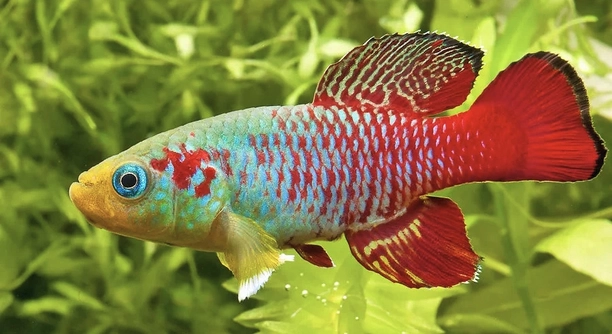
Killis are small, delicate fish that often require careful handling when introduced to new environments. Their sensitivity to water changes means acclimation methods can impact their health and well-being significantly. Many fishkeepers wonder about the best way to ease them into a new tank.
Acclimating killifish with a drip method is generally recommended to minimize stress and sudden water parameter changes. This slow and controlled introduction allows the fish to adjust gradually, improving their chances of survival and reducing the risk of shock from abrupt environmental shifts.
Understanding proper acclimation techniques is essential for keeping killifish healthy. This article will explain why a drip method is beneficial and offer guidance on how to implement it effectively.
Why Acclimation Matters for Killifish
Acclimation is crucial for killifish because they are very sensitive to changes in water chemistry. When moving killifish from one tank to another, differences in temperature, pH, and hardness can cause stress or even shock. Sudden exposure to new water conditions can harm their delicate systems. Proper acclimation helps killifish adjust slowly, giving their bodies time to adapt to the new environment. This process reduces the risk of illness and increases their chances of thriving. It is especially important because killifish come from habitats with stable water conditions, so abrupt changes can be dangerous. Taking time with acclimation shows care for the fish’s health and promotes a smooth transition.
The goal of acclimation is to create a gradual change in water parameters to protect the fish’s health.
Proper acclimation can make a significant difference in keeping killifish healthy and happy in their new home.
How the Drip Method Works
The drip method uses a slow flow of water to gradually mix tank water with the water holding the killifish. This controlled mixing helps the fish adjust to new water conditions gently without sudden shocks.
To start, place the killifish in a container with their original water. Use airline tubing to create a slow drip from the tank into the container. Adjust the drip rate to about 2-4 drops per second. Over one to two hours, this slow addition of tank water slowly changes the water chemistry around the fish. After this period, the fish can be safely moved to the tank. This method keeps stress levels low and supports the health of the killifish during transfer. It is a reliable way to reduce risks linked to sudden changes in temperature or water chemistry. Many aquarists trust this approach for its effectiveness in preventing shock.
The drip method is straightforward and protects delicate killifish by ensuring a slow, steady adjustment to new water conditions.
Preparing for Acclimation
Start by setting up a clean container to hold your killifish during acclimation. Make sure it is free of any chemicals or residues that could harm the fish. Gather all necessary supplies like airline tubing, a valve or clamp to control flow, and a secure lid to prevent jumping.
Check the water parameters of both the tank and the water holding your killifish. Measure temperature, pH, and hardness to understand the differences. This information helps you monitor the acclimation progress and ensures adjustments happen slowly.
Keep the drip rate steady throughout the process. Avoid rushing, as a fast drip can shock the fish. Watch the killifish closely for signs of stress, such as rapid gill movement or erratic swimming. If stress appears, slow the drip rate or pause briefly to let the fish recover.
Common Mistakes to Avoid
One common mistake is rushing the acclimation process. Adding tank water too quickly causes abrupt changes that killifish cannot handle well. This can lead to stress or shock, reducing their chances of survival. Taking time allows the fish to adjust comfortably.
Another issue is using contaminated or untreated containers for holding the fish. Residual chemicals, soap, or cleaners can harm killifish during acclimation. Always use clean, fish-safe containers and rinse thoroughly to avoid introducing harmful substances.
Also, failing to monitor water parameters and fish behavior during acclimation can cause problems. Regular checks help ensure the drip method works effectively and allows for quick action if the fish show signs of distress. Staying attentive is key to success.
When to Use the Drip Method
The drip method is best for introducing killifish to tanks with different water conditions. It helps prevent sudden changes in temperature, pH, or hardness that could stress the fish. This method is especially useful for sensitive species.
It is less necessary when the water parameters between the old and new tanks are very similar. In such cases, a quicker acclimation may be possible without harming the fish.
Tools Needed for Drip Acclimation
To set up a drip acclimation, you need airline tubing, a valve or clamp to control the drip rate, and a container for the fish. A secure lid is helpful to prevent jumping. These simple tools create a slow, steady flow of tank water.
Signs Killifish Are Adjusting Well
During acclimation, calm swimming and normal gill movement show the fish are adjusting. Reduced stress behaviors mean the process is working.
If the fish seem restless or gasp, slow the drip or pause. Monitoring helps keep killifish safe.
Avoid Using Tap Water Directly
Tap water can contain chemicals harmful to killifish. Always use treated or conditioned water to ensure safety during acclimation.
FAQ
How long should the drip acclimation process take?
The drip acclimation typically takes between one to two hours. This slow pace allows killifish to gradually adjust to new water conditions without stress. Rushing the process can cause shock or harm. It’s better to extend the time slightly if water parameters differ greatly.
Can I use the drip method for other fish species?
Yes, the drip method is effective for many sensitive fish, not just killifish. Species that are vulnerable to water changes benefit from slow acclimation. However, hardier fish may not require such a careful process and can often handle quicker introductions.
What if my killifish shows signs of stress during acclimation?
If the fish appears stressed—such as frantic swimming or heavy breathing—slow down the drip rate or pause the process briefly. Allow the fish to recover before continuing. Stress signals mean the change is happening too fast.
Is it necessary to acclimate killifish when moving between tanks with similar water parameters?
While acclimating is always helpful, it is less critical if the temperature, pH, and hardness are almost identical. Even small differences can stress fish, so a short drip acclimation or float method may still be wise.
How do I measure the drip rate correctly?
The ideal drip rate is about 2 to 4 drops per second. This rate provides a slow and steady water exchange without shocking the fish. Use a valve or clamp to adjust the flow on your airline tubing.
Should I acclimate killifish in the dark or light?
Acclimating killifish in a dim or shaded area helps reduce stress. Bright light can cause the fish to feel vulnerable and increase anxiety during the process. Keeping them calm improves success.
Can I feed killifish during acclimation?
It’s best not to feed killifish during acclimation. The focus should be on helping them adjust to water conditions. Feeding can add waste and increase stress. Wait until they are fully settled in the tank before offering food.
What water should I use in the container holding the killifish?
Use the water from the original tank or transport bag to hold the fish during acclimation. This prevents sudden changes while you slowly introduce the new tank water through the drip method.
Is aeration necessary during acclimation?
Providing gentle aeration helps keep oxygen levels steady in the acclimation container. Killifish need well-oxygenated water, especially when confined. Avoid strong currents that may stress them.
How do I know when acclimation is complete?
Acclimation is done when the water in the container matches the tank’s parameters closely, usually after 1–2 hours of dripping. At this point, the killifish can be safely moved to the tank without risk of shock.
Can I skip acclimation if the killifish looks healthy?
Skipping acclimation is risky. Even healthy fish can suffer from sudden water changes. Taking the time to acclimate helps prevent illness and increases survival, especially for sensitive killifish.
What if I don’t have airline tubing or valves?
If you don’t have the proper tools, you can create a slow drip using a small container with a tiny hole or slowly pouring water little by little. The goal is to add tank water gradually, regardless of equipment.
Are there alternatives to the drip method?
Yes, alternatives include the float method, where the fish bag floats in the tank to equalize temperature, followed by slow water mixing. However, the drip method offers more control over water chemistry changes.
How often should I acclimate killifish?
Acclimate killifish every time you move them to a new tank or after water changes that significantly alter parameters. Regular acclimation prevents stress and supports long-term health.
Can acclimation improve the overall health of killifish?
Yes, proper acclimation reduces stress, which is a leading cause of disease. Fish that are slowly introduced to new environments tend to be more active, feed better, and resist illness more effectively.
What are signs of successful acclimation after transfer?
Successful acclimation is shown by normal swimming, regular breathing, and interest in food. Killifish should settle calmly into their new surroundings without hiding or showing signs of distress.
This FAQ covers common concerns about acclimating killifish with the drip method. Following these guidelines helps ensure your fish make a smooth and safe transition.
Proper acclimation is one of the most important steps when introducing killifish to a new tank. Taking the time to use a drip method helps protect these delicate fish from sudden changes in water chemistry that can cause stress or even health problems. Killifish come from stable environments, so sudden shifts in temperature, pH, or hardness can be harmful. By slowly mixing tank water with their original water, the drip method allows them to adjust gradually and safely. This careful process gives them the best chance to thrive in their new home without shock.
Many fishkeepers find the drip acclimation straightforward once they understand the steps and gather the right tools. Simple items like airline tubing, a valve to control flow, and a clean container are all that is needed. Paying attention to the drip rate and fish behavior during acclimation is key. Keeping the flow steady and slow, around two to four drops per second, prevents sudden changes that might harm the fish. Watching for signs of stress such as erratic swimming or heavy breathing allows for adjustments along the way. This attention ensures that the killifish stay calm and healthy during the transfer process.
While the drip method requires patience, the benefits far outweigh the extra effort. Killifish that are acclimated properly settle quickly, show natural behavior, and have a stronger immune response. Skipping or rushing acclimation increases the risk of illness and reduces their chances of survival. Even if the water parameters appear similar between tanks, small differences can cause issues without gradual introduction. Taking the time to acclimate shows respect for the well-being of the fish and helps maintain a healthy aquarium environment. Overall, careful acclimation with the drip method is a reliable and effective way to care for killifish during tank transfers.

Hello,
If you enjoy the content that we create, please consider saying a "Thank You!" by leaving a tip.
Every little bit helps us continue crafting quality advice that supports the health, happiness, and well-being of pets around the world, for pets of all shapes, sizes, and species.
We really appreciate the kindness and support that you show us!