
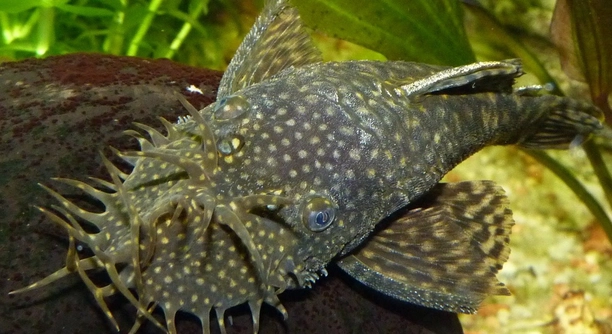
Choosing the right substrate for your plecos can make a big difference in their well-being and your aquarium’s environment. Gravel and sand are two popular options, each with its advantages and considerations. Understanding these factors is key to making the right choice.
Plecos thrive in aquariums with smooth, clean substrates. While gravel can provide good water circulation, sand is often preferred for plecos due to its gentler texture, preventing injury to their delicate fins. Sand also mimics their natural habitat.
Each substrate choice has its specific benefits, and understanding them will guide you in creating a healthy, comfortable environment for your plecos.
Benefits of Sand for Plecos
Sand is often the preferred choice for plecos because it mimics the soft, natural environments these fish are used to. Their natural habitats typically have sandy riverbeds, so using sand in your aquarium helps replicate this environment. It’s a great option because it’s gentle on the plecos’ sensitive undersides and fins. Additionally, plecos often forage along the bottom of the tank, and sand allows them to sift through it without the risk of injury.
One of the main advantages of sand is its fine texture, which prevents scratches or wounds on the plecos. This is crucial for their well-being, especially if they spend a lot of time near the substrate. Moreover, sand doesn’t trap debris as much as gravel, making it easier to keep your aquarium clean.
If you choose sand, make sure it’s fine and smooth to avoid any potential harm. A good tip is to rinse the sand thoroughly before adding it to your tank to remove any dust or contaminants.
Considerations When Using Gravel
While gravel can work for plecos, it does come with a few downsides. Its rough texture can potentially hurt plecos, especially when they’re moving along the substrate.
Gravel is also more challenging to clean than sand. Its uneven surface traps debris and waste, which can lead to water quality issues if not cleaned regularly. Though it allows better water circulation, it often needs frequent vacuuming to prevent the buildup of organic material.
Sand vs. Gravel for Plecos’ Health
Sand is gentler on plecos, reducing the risk of injury to their delicate fins and skin. Their natural behavior of foraging near the bottom benefits from the smooth texture of sand, allowing them to sift through it with ease.
Unlike gravel, sand provides a more comfortable environment for plecos, allowing them to explore without causing damage to their sensitive bodies. It also doesn’t trap debris as much, which makes it easier to keep the tank clean. However, sand requires regular stirring to avoid compaction, which could lead to anaerobic conditions that affect water quality.
Gravel, on the other hand, can have sharp edges that may scrape plecos as they move along the substrate. This is especially true if they are frequently active near the bottom of the tank. Gravel also traps debris, making it harder to maintain a clean environment. Though it’s easy to vacuum, the process is more time-consuming than maintaining a sand substrate.
Choosing the Right Substrate for Your Plecos
When choosing between sand and gravel, consider the needs of your plecos. If they spend most of their time near the bottom, sand is likely the better choice. It reduces the risk of injury while also supporting their natural behavior.
If you opt for gravel, ensure it’s smooth and not too large. This can help reduce the risk of injuries to the plecos. Also, consider the size of the tank, as larger tanks with plecos may benefit from gravel’s ability to support beneficial bacteria, which helps break down waste.
The Impact on Water Quality
Sand helps maintain better water quality since it doesn’t trap debris as much as gravel. However, you’ll need to stir it occasionally to avoid compacting it, which can affect the flow of water and oxygen.
Gravel can be a bit more challenging when it comes to water quality. Its uneven surface traps debris, which can create areas where waste builds up. This can lead to higher ammonia levels and may require more frequent water changes to keep things clean.
Ease of Maintenance
Maintaining a tank with sand can be easier than gravel, but it still requires attention. Sand needs to be stirred to prevent compaction and ensure water flow. Using a fine siphon helps clean the sand without disturbing it too much.
Gravel, on the other hand, is easier to clean with a vacuum because the debris is more likely to sit on the surface. However, gravel can trap waste in its gaps, so it requires more effort to clean regularly.
Considerations for Tank Setup
Consider the aesthetic of your tank when choosing between sand or gravel. Sand can give your aquarium a more natural look, resembling riverbeds. If you have plants, sand helps them establish roots more easily compared to gravel. However, gravel offers a wider variety of colors and textures.
FAQ
What type of sand is best for plecos?
The best type of sand for plecos is fine, smooth sand without sharp edges. Aragonite sand is a good option because it maintains stable water parameters and helps buffer the pH. It mimics the natural habitat of plecos, providing a comfortable substrate for them to sift through. Avoid using sand with large grains or sharp edges, as it could potentially hurt your pleco’s delicate fins.
Can I use play sand for my plecos?
Yes, you can use play sand for plecos, but it’s important to rinse it thoroughly before adding it to your tank. Play sand is usually affordable and can be found in most hardware stores. However, you should make sure it’s safe for aquarium use, as some types may contain additives that could harm your fish. Rinsing it well removes any dust and dirt.
Is gravel safe for plecos?
Gravel can be safe for plecos if you choose the right type. Opt for smooth, rounded gravel rather than rough, sharp-edged gravel, which could injure your pleco. Gravel does have benefits, like better water circulation and supporting beneficial bacteria. However, it requires more regular cleaning to prevent debris from accumulating between the rocks.
How do I clean sand in my aquarium?
Cleaning sand requires a gentle approach. Use a fine siphon vacuum to clean the sand without disturbing it too much. When cleaning, move the vacuum over the sand’s surface to remove waste and debris. Avoid stirring the sand too aggressively, as compacted sand can reduce oxygen flow and cause anaerobic conditions.
How often should I clean the substrate in my tank?
Cleaning the substrate depends on the tank size, fish population, and substrate type. For sand, a gentle vacuum once every 2–4 weeks should be enough to keep it clean. Gravel needs more frequent cleaning, at least once every 1–2 weeks, as debris gets trapped between the stones. Regular water changes will also help maintain water quality.
Can I mix sand and gravel in the same tank?
You can mix sand and gravel, but it requires careful planning. It’s best to create distinct areas for each substrate type, allowing your plecos to have enough space to forage in the sand. Keep in mind that mixing substrates can make cleaning more challenging, as debris will settle differently in each section. If you decide to mix, make sure the substrates are compatible and won’t cause issues with water flow.
Do plecos need a specific substrate for breeding?
Plecos typically do not require a specific substrate for breeding, but they do need a suitable environment. Providing flat surfaces, such as rocks or caves, is more important for encouraging breeding. However, a soft, smooth substrate like sand is preferable for the health and comfort of the plecos during the breeding process.
What are the benefits of gravel for plecos?
Gravel can provide better water circulation, especially in larger tanks, as it allows water to flow more freely between the grains. It also supports beneficial bacteria that help break down waste in the tank, which can improve water quality. Gravel may be easier to clean compared to sand, but it can trap debris, requiring more frequent maintenance.
Can plecos live in a tank without substrate?
Plecos can live in a tank without substrate, but it’s not ideal. A bare bottom tank may cause stress for your plecos, as they are used to foraging and hiding in natural environments with substrates. Without substrate, they may feel less secure. If you choose to have no substrate, be sure to provide plenty of hiding spots and caves.
How do I prevent sand from clouding my aquarium water?
To prevent sand from clouding your aquarium water, rinse it thoroughly before adding it to your tank. Make sure to do several rounds of rinsing to remove dust and fine particles. After adding the sand, fill the tank slowly and let the water settle before turning on the filter. Using a fine filter can also help remove any remaining particles.
Is it necessary to use a substrate heater with sand?
A substrate heater is not necessary for plecos if you are using sand, but it can help maintain stable temperatures, especially in larger tanks. Sand tends to retain heat better than gravel, so if your tank is already heated properly, a substrate heater may not be required. However, in larger tanks or tanks with heavy plant growth, a substrate heater may assist in maintaining an even temperature.
What is the best substrate for plecos with plants?
For plecos with plants, a fine, nutrient-rich sand is a great option. Sand allows plant roots to grow more easily while providing a smooth surface for plecos to forage. You may also consider using a combination of nutrient-rich substrate with sand on top to provide the plants with nutrients and the plecos with a safe, comfortable environment. Avoid using rough gravel or any substrate that could damage delicate plant roots or plecos’ fins.
How does substrate affect water chemistry for plecos?
Substrate can influence water chemistry by affecting the pH, hardness, and buffering capacity of the water. Sand like aragonite can raise the pH slightly, which can be beneficial for plecos in certain cases. Gravel, depending on its type, can have a neutral to slightly acidic effect. Always monitor water parameters regularly to ensure they are suitable for your plecos.
Can I use colored gravel for plecos?
Colored gravel can be used for plecos, but it’s important to choose non-toxic, fish-safe types. Some colored gravels are coated with dyes or chemicals that can leach into the water and harm your plecos. It’s best to use natural, uncoated gravel that will not alter water quality. If you choose colored gravel, ensure it is from a reputable aquarium supply store.
Final Thoughts
Choosing the right substrate for your plecos is important for both their health and the overall aesthetics of your aquarium. Both sand and gravel offer unique advantages, but it all depends on what you’re prioritizing in your tank setup. Sand is generally a safer option for plecos because it’s gentler on their sensitive fins and barbels. It also mimics their natural habitat more closely, which helps them feel secure. However, it can be a bit trickier to maintain because it can compact over time, reducing water flow and oxygen levels. Regular stirring is needed to keep things balanced, especially in larger tanks.
Gravel, on the other hand, is easier to clean and doesn’t require as much maintenance as sand. It promotes water circulation, making it ideal for tanks with higher water flow. However, gravel can trap debris more easily, which means it may need more frequent cleaning to avoid affecting water quality. It’s also not as gentle on your pleco’s delicate body as sand, especially if the gravel has sharp edges. If you decide to go with gravel, make sure it’s smooth and rounded to prevent any harm to your fish.
Ultimately, the choice between sand and gravel depends on your tank setup, maintenance routine, and personal preference. If you want a natural environment that’s easy on your plecos, sand is the better choice. If you prefer easier cleaning and water flow, gravel might suit you better. No matter which substrate you choose, the key is to maintain proper water quality, provide hiding spots, and offer a comfortable, secure environment for your plecos to thrive.

Hello,
If you enjoy the content that we create, please consider saying a "Thank You!" by leaving a tip.
Every little bit helps us continue crafting quality advice that supports the health, happiness, and well-being of pets around the world, for pets of all shapes, sizes, and species.
We really appreciate the kindness and support that you show us!