
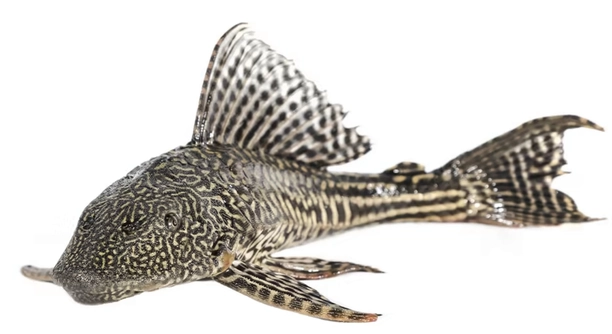
Do you keep plecos and wonder if your aquarium setup is giving them the best environment to thrive and stay healthy?
A sponge filter is a suitable choice for plecos due to its gentle water flow, strong biological filtration, and safe design that won’t harm delicate fins or suck up baby fish.
Many aquarists enjoy using sponge filters because they are simple to maintain, affordable, and support a stable tank environment for plecos and other bottom dwellers.
Why Sponge Filters Work Well for Plecos
Sponge filters offer a calm water flow, which is important for plecos since they are bottom dwellers and often rest in low-flow areas. These filters provide solid biological filtration without creating strong currents that could stress the fish. Because sponge filters don’t have powerful suction, they are safe for smaller plecos and fry. The large surface area of the sponge also allows helpful bacteria to grow, supporting water quality over time. Maintenance is simple too—just rinse the sponge in old tank water. This keeps your beneficial bacteria intact. You also won’t need to replace the sponge often. It’s a low-cost, dependable option for many aquarium setups. If your pleco lives in a tank with plants or other gentle fish, a sponge filter can keep the environment stable and clean. Plus, it’s quieter than many other filter types, which makes it perfect for tanks in bedrooms or calm spaces.
Sponge filters are gentle, affordable, and keep your tank stable without disturbing your pleco or other fish.
If your pleco tends to hide a lot or act restless, a sponge filter might help create a more peaceful tank setup that suits them better.
What to Watch Out for When Using Sponge Filters
Sponge filters work well, but they are not ideal for large tanks with high waste output.
In larger setups or tanks with several messy fish, sponge filters may not be powerful enough to handle the full load. Plecos, especially larger ones like the common pleco, produce a lot of waste. If your tank is overstocked or lacks regular maintenance, a sponge filter alone may struggle to keep the water clean. In that case, it’s smart to combine it with another filter, like a hang-on-back or canister filter. That way, you still get the benefits of the sponge filter’s surface area and gentle flow, while adding stronger mechanical filtration. Also, be aware of how quickly your sponge gets dirty. Rinse it out during your water changes, but don’t overclean it. Removing too much bacteria can disrupt your tank’s balance. Monitor your water parameters often to make sure the filter is keeping up with your pleco’s needs.
How to Set Up a Sponge Filter for Your Pleco Tank
Setting up a sponge filter is quick and easy. You’ll need the sponge filter itself, an air pump, airline tubing, and a check valve to prevent backflow into the pump.
Start by placing the sponge filter in your tank. Most people put it in a back corner so it doesn’t take up too much space. Attach one end of the airline tubing to the filter and the other end to the check valve. Then connect the check valve to your air pump. Plug in the pump, and you should see bubbles rising. That means it’s working. Let the filter run for a few days before adding fish if it’s a new tank. If you’re using it in an established tank, move some filter media from your old filter to speed up the cycle. This helps the sponge grow bacteria that your pleco depends on.
Once your filter is running, keep an eye on the water flow. Plecos prefer calm areas, so adjust the air pump if the bubbles seem too strong. Some air pumps have a flow control knob, but you can also use a valve on the airline tubing. Make sure the sponge is fully submerged, and don’t bury it in the substrate. Clean the sponge when you notice the bubbles slowing down or the filter looking dirty. Use tank water—not tap water—for cleaning to protect the helpful bacteria. Doing this regularly will help keep your tank clean and your pleco happy.
Extra Tips to Keep Your Pleco Comfortable
Plecos need more than just a good filter. Make sure the tank is large enough, especially for bigger pleco species. A sponge filter works best in well-sized, lightly stocked tanks.
Add hiding spots like caves, driftwood, or large decorations so your pleco can rest and feel safe. These fish are mostly active at night, so keeping the lighting low or adding floating plants can make them more comfortable. Use a soft substrate to prevent scratches or damage to their undersides. Avoid sharp rocks. Keep the water temperature stable, between 72°F and 82°F, depending on your pleco species. They also need clean water, so regular water changes are important—even if your sponge filter is doing well. Feed a varied diet including algae wafers, veggies, and the occasional protein source. This helps your pleco stay healthy, active, and less likely to hide all day.
How Often to Clean the Sponge Filter
Cleaning should be done every 2 to 4 weeks, depending on how dirty your tank gets. If the bubbles slow down or the sponge looks clogged, it’s time for a rinse.
Always use old tank water when cleaning the sponge. Tap water can kill helpful bacteria living inside.
Signs the Filter Is Not Working Well
If your water looks cloudy, smells bad, or your pleco starts acting stressed, the sponge filter might not be keeping up. Watch for slow bubble output or a sponge that looks too dirty. These are signs it’s time to clean or replace parts. Make sure the air pump is still running properly and there’s no blockage in the tubing. Also, check your water parameters—ammonia or nitrite levels above zero can mean your filtration isn’t enough. In those cases, consider upgrading the filter or adding a second one to help share the load and improve water quality.
Final Thoughts on Sponge Filters for Plecos
Sponge filters work well in many pleco tanks but should be paired with good care habits to keep things stable.
FAQ
Can I use a sponge filter in a tank with other fish, not just plecos?
Yes, sponge filters can work well in tanks with other fish, especially those that prefer calm water. They’re great for peaceful tank mates like tetras, guppies, or shrimp. However, if you have more active fish or larger species, you may need to combine the sponge filter with a stronger filter to ensure proper filtration. The gentle flow suits bottom-dwelling fish, but it may not be enough for tanks with heavy waste production.
Is a sponge filter enough for a large pleco in a big tank?
For large plecos, especially the common pleco, a sponge filter may not provide enough filtration in a large tank. Larger plecos produce more waste, and in bigger tanks, the sponge filter could struggle to handle the load. In this case, you should consider using a more powerful filter, such as a canister or hang-on-back filter, along with the sponge filter for added filtration.
How do I know if my sponge filter is working properly?
A sponge filter is working properly if you see bubbles rising from the sponge and the water flow appears gentle. If you notice a decrease in bubble output, it might indicate the sponge is clogged or the air pump is struggling. Regularly check the filter to make sure it’s not blocked by debris or detritus, and rinse it in old tank water to keep it functioning well. The water should stay clear, and your pleco should remain active and healthy if the filter is working properly.
Can I use a sponge filter for a tank with fry or baby plecos?
Yes, sponge filters are great for tanks with fry or baby plecos. The gentle flow won’t suck up small fish, and the filter provides safe, consistent biological filtration. It’s important to ensure that the sponge is clean and has a strong enough bacteria colony to handle the waste produced by the fry. Additionally, make sure there’s no powerful current from other filter types that could harm the young fish.
How long should a sponge filter last?
Sponge filters are durable and can last for several years with proper maintenance. Regular cleaning, like rinsing the sponge in old tank water during water changes, will help it last longer. The air pump may need to be replaced after a few years, but the sponge itself can typically last much longer as long as it’s kept in good condition and not clogged.
Can I clean the sponge filter with tap water?
No, you should never clean the sponge filter with tap water. Tap water contains chlorine and other chemicals that can kill the beneficial bacteria living on the sponge, which are essential for biological filtration. Always use water from your tank to clean the sponge to preserve these bacteria and maintain the health of your tank.
Do sponge filters make the tank too noisy?
Sponge filters are generally quieter than other types of filters, but some air pumps can still make noise. If you find the air pump too loud, consider purchasing a quieter model or using a sponge filter with a built-in pump. You can also reduce noise by placing the air pump on a soft surface like a towel or foam to absorb vibrations.
Do I need to replace the sponge filter over time?
You don’t need to replace the sponge filter unless it becomes damaged or overly clogged. Regular cleaning will usually keep it in good working condition. If you notice that the sponge is falling apart or no longer produces good water flow even after cleaning, it may be time to replace it.
Can I use a sponge filter in a saltwater aquarium?
Sponge filters can be used in saltwater tanks, but they might not be the best choice for high-salinity environments. Saltwater tanks usually require more powerful filtration, especially for larger or more active fish. A sponge filter may be useful in small saltwater tanks or as an additional filtration system, but it’s generally not enough on its own in larger, high-waste environments.
How often should I change the water in a tank with a sponge filter?
Even with a sponge filter, regular water changes are important to maintain water quality. Aim for a 20-25% water change every 1-2 weeks. If you have a high bioload or if your pleco is producing a lot of waste, you may need to change the water more frequently. Always test your water parameters to ensure your tank’s environment stays safe and healthy.
Is a sponge filter better than a hang-on-back filter?
Both sponge filters and hang-on-back filters have their benefits. Sponge filters are quieter and gentle, which is great for plecos and fry, while hang-on-back filters provide stronger mechanical filtration. If your tank has a light stocking, a sponge filter might be sufficient. However, for tanks with more fish or higher waste output, a hang-on-back filter might be necessary for better mechanical filtration. Many aquarists use both types of filters together for balanced filtration.
Can sponge filters be used in planted tanks?
Yes, sponge filters are a good choice for planted tanks. They provide gentle filtration, which won’t disturb delicate plants or uproot them. The biological filtration supports the tank’s ecosystem, helping maintain healthy water conditions for both plants and fish. Just make sure the sponge filter isn’t placed too close to plants or roots to avoid disturbing them.
Are sponge filters good for tanks with shrimp?
Sponge filters are an excellent choice for shrimp tanks. The gentle water flow ensures that shrimp are not sucked into the filter, and the biological filtration keeps the water clean. Additionally, shrimp benefit from the small microorganisms that grow on the sponge, providing a natural food source. Make sure the sponge is small enough for your tank and that it doesn’t create strong currents that could harm the shrimp.
Can I use a sponge filter in a quarantine tank?
A sponge filter is ideal for quarantine tanks, especially for smaller or sick fish. The gentle filtration prevents stress, and it doesn’t pull in fragile fish. It also helps keep the water quality stable while you monitor new or sick fish before introducing them to the main tank. Just make sure the sponge is properly cleaned between each use to avoid transferring diseases.
Final Thoughts
Using a sponge filter for your pleco tank can be a great decision. It’s simple, affordable, and provides gentle filtration, which is perfect for bottom-dwelling fish like plecos. The sponge’s design allows for biological filtration, supporting the growth of beneficial bacteria that keep the water clean and stable. Because sponge filters are gentle, they won’t create strong currents that could stress your pleco, making it a safer option for your fish. They’re especially useful for smaller or calmer tanks and are easy to maintain. Just remember to clean the sponge regularly to keep it functioning properly.
However, while sponge filters work well in many setups, they might not be enough for larger tanks or heavily stocked aquariums. For big tanks, especially those with larger plecos or multiple fish, you might need an additional filtration system to handle the increased waste. Combining a sponge filter with a canister or hang-on-back filter could provide the extra filtration power needed. This setup ensures your pleco has a clean environment without risking harm from powerful currents. Keep in mind that regular water changes are also essential to maintain healthy water conditions, even with good filtration.
Overall, sponge filters can be a fantastic tool for keeping your pleco tank clean and safe. They’re reliable, easy to maintain, and ideal for creating a stable, low-stress environment for your fish. With proper care and attention, a sponge filter will help support your pleco’s health and happiness. Just remember to monitor your tank’s conditions and be ready to add more filtration if needed. Keeping your tank balanced will ensure that your pleco and other tank mates thrive.

Hello,
If you enjoy the content that we create, please consider saying a "Thank You!" by leaving a tip.
Every little bit helps us continue crafting quality advice that supports the health, happiness, and well-being of pets around the world, for pets of all shapes, sizes, and species.
We really appreciate the kindness and support that you show us!