
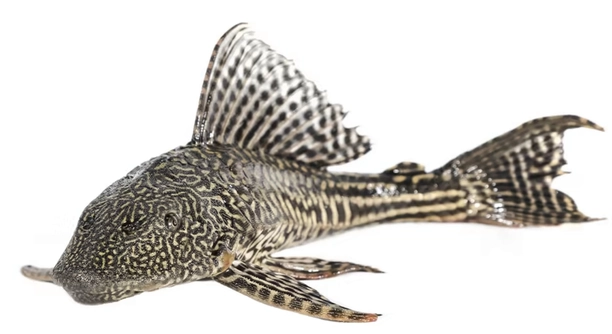
Taking care of a pleco tank requires attention to various factors, such as water quality and tank setup. One important consideration is whether or not to use a lid on your pleco tank.
Using a lid on your pleco tank can help keep the water clean, prevent fish from jumping, and maintain temperature stability. However, it’s important to consider the specific needs of your tank setup and the size of your pleco.
Knowing how a lid can benefit your tank can help you make informed decisions about keeping your pleco healthy and happy.
Benefits of Using a Lid for Your Pleco Tank
A lid on your pleco tank serves several practical purposes. It helps maintain the tank’s temperature by reducing heat loss, ensuring a stable environment for your fish. It also prevents debris, such as dust and leaves, from contaminating the water. The lid can also stop fish from jumping out, especially with larger plecos that may try to explore beyond their aquarium. Additionally, it keeps curious pets like cats or dogs from reaching into the tank and disturbing the fish. Keeping the tank covered also minimizes water evaporation, reducing the need for frequent refills.
If you want to keep your pleco safe and your tank clean, using a lid can be a helpful solution. A well-fitted lid helps to maintain water quality, which is key for the health of your fish.
The lid also has its downsides. If your pleco is a large species, a solid lid might hinder air circulation, especially if the tank has poor ventilation. It’s important to make sure the lid allows for proper oxygen exchange, which is essential for plecos. Many plecos require plenty of oxygen-rich water to thrive, and an airtight lid can restrict airflow, affecting their well-being.
Considerations Before Using a Lid
While lids offer several benefits, there are some factors to keep in mind. If your tank is already well-ventilated and has proper filtration, a lid may not be necessary.
If your pleco tank is well-maintained and has no issues with temperature regulation or evaporation, a lid might not be required. However, for tanks without good air circulation, a lid may be necessary to maintain an ideal environment. Be sure the lid has openings or slits for proper airflow, ensuring oxygen exchange isn’t compromised. Furthermore, you’ll want a lid that is sturdy enough to handle the weight of larger plecos if needed.
Types of Lids for Pleco Tanks
There are different types of lids available for pleco tanks, including glass, acrylic, and mesh. Glass lids are sturdy and help maintain a stable temperature. Acrylic lids are lighter and easier to handle, but they can scratch more easily. Mesh lids offer ventilation, making them ideal for tanks that require air circulation.
Glass lids are often preferred for their durability and temperature retention. However, they can be heavy, making it harder to clean or adjust. Acrylic lids are a good alternative, especially if you’re looking for something lighter. They are more prone to scratches, but they offer a similar level of protection. Mesh lids are the best option if airflow is your top priority, as they allow the tank to breathe while still protecting the contents from external contamination.
It’s important to choose the lid that fits your tank setup. If you have a smaller pleco, an acrylic lid might work well. For larger plecos, consider a glass lid for extra sturdiness. The lid should also complement your tank’s filtration system and temperature needs. A good lid will balance both functionality and ease of use, allowing you to care for your pleco without added stress.
Tank Size and Lid Compatibility
The size of your pleco tank plays a role in determining the best lid for your aquarium. Larger tanks require lids that can cover a wider area, while smaller tanks may only need a lightweight option. It’s important to find a lid that matches the tank’s dimensions.
If you have a large pleco tank, a glass lid might be necessary to cover the entire top. These lids are often made in large sizes that fit tanks of various lengths. For smaller tanks, a mesh lid could be sufficient since it offers ventilation while being easy to handle. The lid should fit snugly to prevent escape, but also allow for easy access when cleaning or feeding your pleco. Keep in mind that larger plecos require more space, and having the right lid can help you maintain a proper environment for them.
Lids and Pleco Health
Using a lid helps maintain stable water conditions, which is crucial for plecos. Temperature fluctuations or contaminants entering the tank can cause stress or illness. A lid keeps the environment more consistent, supporting the overall health of your pleco.
Stable water conditions are vital for plecos, who thrive in specific temperatures and water quality. A lid can reduce the impact of temperature swings, improving the fish’s immune system. Moreover, it prevents external factors like dust and debris from entering the tank, ensuring that the water stays clean and free of contaminants.
Air Circulation with a Lid
Plecos need oxygen-rich water, and it’s important to maintain good airflow in the tank. Some lids, especially solid ones, can restrict air exchange, affecting the water quality.
If you decide on a lid, make sure it has enough ventilation. A lid with slits or mesh openings ensures oxygen flows freely, keeping your pleco healthy. It’s essential that the lid does not trap heat or moisture, as this can lead to stagnant air, which may negatively impact the water’s oxygen levels.
FAQ
Should I use a lid if my pleco tank has a good filtration system?
Even with a good filtration system, using a lid can still be beneficial. It helps with temperature regulation and prevents debris from falling into the water. While a good filtration system ensures clean water, a lid can help reduce evaporation and keep the tank environment more stable. It also prevents your pleco from jumping out, which is especially important if you have larger species.
Can my pleco tank survive without a lid?
Your pleco tank can survive without a lid, but it might not be as stable. Without a lid, the water is more likely to evaporate, and temperature fluctuations can occur. If you live in a place where temperature changes a lot, a lid could help keep conditions more consistent. However, if your tank is properly maintained and your pleco is in a safe environment, it’s possible to keep a pleco without one.
Will my pleco jump out if I don’t have a lid?
Yes, plecos can jump out of the tank, especially larger species that feel restricted in their space. If your pleco’s tank isn’t covered, it increases the risk of escape. Plecos are curious and might try to explore outside the tank, so a lid can prevent that from happening.
Are mesh lids a good option for pleco tanks?
Mesh lids are a great choice, especially if you need better air circulation. They allow oxygen to flow freely, which is important for plecos. Mesh also helps to reduce humidity inside the tank, preventing condensation. However, if you have smaller fish or want to keep debris out, mesh lids might not provide the level of protection that a solid lid would.
Can a lid help with controlling algae growth in my pleco tank?
A lid itself won’t directly control algae growth, but it can help by preventing light from entering the tank when it’s not needed. Plecos often feed on algae, but excessive light can cause algae blooms. A lid can help block out light at night, especially if it is opaque, reducing the likelihood of uncontrolled algae growth.
What if my pleco is large, should I still use a lid?
For larger plecos, a lid can help keep the water temperature stable and prevent any unwanted escape attempts. However, if your pleco is very large and requires more space, ensure the lid allows for adequate ventilation. If it’s too airtight, it could limit oxygen flow, which is essential for your pleco’s health. Choose a lid that provides both coverage and air circulation.
How often should I clean the lid of my pleco tank?
It’s a good idea to clean the lid every time you do a water change or at least once a week. Lids can collect dust, water droplets, and even algae. If you have a mesh lid, you may need to clean it more frequently to prevent buildup that can block airflow.
Can I use a lid on a tank with live plants?
Yes, you can use a lid on a tank with live plants, but you should be careful about the type of lid you choose. If the lid blocks too much light, it could hinder plant growth. Mesh lids are often a good compromise, as they allow for adequate light while still keeping the tank covered. If your plants are light-sensitive, consider a lid with openings or slits to balance protection and light exposure.
Do I need to worry about the type of material when choosing a lid?
The material you choose for the lid is important because it affects durability, ease of use, and air circulation. Glass lids are strong and help with heat retention, but they can be heavy. Acrylic lids are lighter but may scratch easily. Mesh lids offer good ventilation but don’t block as much heat. Consider your tank’s needs before deciding on the material.
Are there any downsides to using a lid on my pleco tank?
The main downside of using a lid is that it can limit airflow if it’s not properly ventilated. This could lead to oxygen deprivation in the tank, especially if your pleco requires high oxygen levels. Some lids, especially solid ones, can trap moisture, which may lead to issues with humidity or condensation. Ensure your lid has enough ventilation to avoid these problems.
Can I still feed my pleco if the tank has a lid?
Yes, you can still feed your pleco with a lid on the tank. Most lids have openings or can be easily removed, allowing you to feed your pleco without removing the entire cover. Some lids even have feeding holes that make feeding more convenient without fully opening the tank. Just make sure the lid is easy to access so feeding doesn’t become a hassle.
Do lids affect the light conditions in my pleco tank?
Lids can affect light conditions depending on the material. Solid lids, such as glass or acrylic, will block light, while mesh lids allow more light to pass through. If you have plants in your tank, you might want to consider the lid material to ensure your plants are getting enough light. If you’re using grow lights for your plants, a mesh lid can help provide light without blocking it.
How do I ensure my lid fits properly on the tank?
To ensure your lid fits properly, measure the tank dimensions carefully and choose a lid that matches. Most lids are designed to fit standard tank sizes, but you may need to get a custom or adjustable lid if your tank is an unusual shape or size. A lid that fits well is crucial to keeping the tank secure and preventing any escapes.
Final Thoughts
Using a lid on your pleco tank can provide several benefits, but it ultimately depends on your specific setup and needs. A lid can help maintain a stable water temperature, prevent debris from falling in, and stop your pleco from jumping out. For plecos that are active swimmers or larger species, a lid can be particularly helpful in keeping them safe and the tank environment stable. It also reduces water evaporation, which means you won’t need to refill the tank as often. For people with pets like cats or dogs, a lid offers additional protection by keeping them from disturbing the tank.
However, it’s important to remember that not all lids are created equal. You’ll need to consider the material and design of the lid to ensure it doesn’t hinder air circulation. Plecos require oxygen-rich water to stay healthy, so a solid lid without proper ventilation can cause the tank to become stale. Mesh lids are a great option in this case, as they allow air to flow while still offering protection. Glass and acrylic lids, while sturdy, might block airflow, especially if your tank is already sealed tightly with a filtration system that doesn’t circulate enough oxygen. A good lid will strike the right balance between providing a safe, secure environment and ensuring that the water remains healthy for your pleco.
Ultimately, deciding whether or not to use a lid on your pleco tank is a matter of weighing the pros and cons based on your unique situation. If your tank has good ventilation and the water conditions are stable, a lid may not be essential. But if your tank tends to lose heat or your pleco is prone to jumping, a lid can be a simple solution. Whatever you choose, make sure the lid fits your tank size properly and allows for the necessary air exchange to keep your pleco thriving.

Hello,
If you enjoy the content that we create, please consider saying a "Thank You!" by leaving a tip.
Every little bit helps us continue crafting quality advice that supports the health, happiness, and well-being of pets around the world, for pets of all shapes, sizes, and species.
We really appreciate the kindness and support that you show us!