
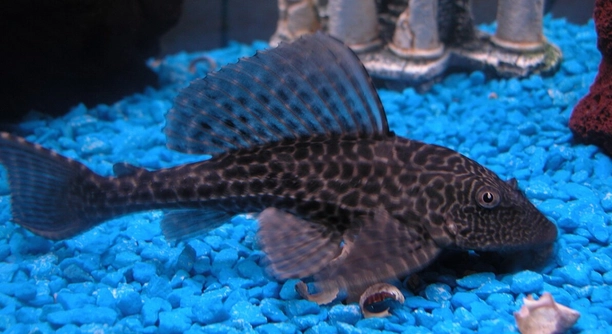
Some fishkeepers may wonder if removing their pleco during spawning is necessary. Understanding their behavior during this time can help determine whether it is essential for the fish’s well-being and the success of the process.
It is generally not necessary to remove your pleco during spawning, as they usually do not pose a threat to their eggs or fry. However, careful observation of their behavior is recommended to ensure no aggression occurs towards the offspring.
Managing the pleco’s environment during spawning can support their natural behaviors. Keeping a close eye on their actions helps ensure a smooth process for both the pleco and its fry.
Understanding Pleco Behavior During Spawning
Plecos typically spawn in caves or crevices where they can feel secure. During this time, males take on the role of guarding the eggs. The males will fan the eggs with their fins to prevent fungus buildup and ensure oxygen flow. The female usually lays her eggs in a secure spot within the cave, and the male fertilizes them. Observing these behaviors is key for knowing when to step in and when to leave the plecos undisturbed.
Since plecos are relatively peaceful, they don’t usually cause harm to their offspring. It is still important to monitor the plecos during spawning for any signs of distress. This includes aggression from other fish in the tank, especially if you have more than one pleco. Ensuring that your tank has enough hiding spots can help prevent unwanted interference.
If you have multiple plecos, it may be necessary to remove other fish to create a peaceful environment. With a dedicated breeding setup, such as a separate breeding tank, the spawning process can go smoothly. Watching the plecos interact with their eggs and fry is both educational and rewarding.
Managing Tank Environment During Spawning
The tank environment plays a vital role in the success of pleco spawning. Maintaining clean water with appropriate temperature and pH levels ensures optimal conditions for both the pleco and its eggs.
It’s important to keep water conditions stable. Changes in temperature or water quality can stress the plecos and affect the outcome of their spawning. Consistent filtration and regular water changes will help keep the tank in good condition. Adding extra caves or hiding spaces can also give the male and female pleco a safe space to engage in natural behaviors. Be sure to adjust the tank’s lighting to mimic natural conditions, promoting comfort and reducing stress.
When to Remove Other Fish from the Tank
If you have multiple fish species in the tank, it’s essential to remove any potentially aggressive or territorial fish. These species might disrupt the pleco’s spawning process by stressing them out.
Remove fish that could challenge the pleco’s dominance over the spawning area. Cichlids, for example, are known to be territorial and may harass the pleco. Even smaller, non-aggressive fish can sometimes become a nuisance by disturbing the pleco’s nest. Having a separate breeding tank for the plecos may help avoid these complications, ensuring that the plecos can spawn in peace.
By isolating other fish species, you reduce the chances of conflicts during the delicate spawning period. This isolation supports both the plecos’ comfort and the potential success of the fry. Peaceful conditions allow the male pleco to properly guard the eggs without interference.
Signs of Stress to Watch For
It’s important to recognize when the pleco is feeling stressed. Signs of distress may indicate that the spawning process is being disrupted.
Monitor the pleco’s behavior closely. If the male becomes overly aggressive or stops fanning the eggs, it may be a sign of stress. Stress can come from various sources, including poor water conditions, other tankmates, or even the presence of too many hiding spots. Stress also affects the female, making her less likely to lay eggs or care for them properly.
When stress is detected, it’s best to remove any sources of irritation. This can include turning off the tank lights, ensuring proper water conditions, or temporarily removing other fish. Adjusting the environment helps the plecos relax and continue with the spawning process without disruption.
Monitoring the Male’s Behavior
The male pleco plays a crucial role in the spawning process, guarding the eggs and ensuring their safety. Keeping an eye on his actions can tell you a lot about the spawning situation.
If the male pleco starts showing signs of aggression or neglecting his duties, it may indicate stress or a need for intervention. He should be actively protecting the eggs and fanning them to keep them oxygenated. If he’s not doing this, check water quality and tank conditions.
Maintaining a calm environment helps the male perform his duties effectively. If things are not going as planned, make adjustments to support the spawning process.
Caring for the Eggs
Pleco eggs are delicate and require proper care to develop into healthy fry. The male’s job is to fan the eggs and ensure they stay clean.
If you notice any fungal growth on the eggs, remove them carefully and place them in a separate container with clean water. Keep the water temperature consistent, as fluctuations can harm the eggs. Avoid touching the eggs with your hands to prevent introducing harmful bacteria.
These small steps ensure that the eggs are protected and given the best chance to hatch successfully, so the fry can grow up healthy.
When to Separate the Fry
Once the eggs hatch, it may be time to separate the fry. They will need their own space to thrive.
Watch for signs that the fry are strong enough to swim and feed independently. At this point, it’s essential to remove the fry from the pleco’s main tank to avoid them being eaten.
FAQ
Should I remove my pleco during spawning?
Generally, it’s not necessary to remove the pleco during spawning. Plecos are not aggressive towards their eggs or fry, and the male will often protect and fan the eggs. However, it’s important to monitor their behavior. If there’s a chance other fish may cause stress, consider isolating the pleco in a breeding tank.
What water conditions are best for pleco spawning?
Plecos prefer clean water with stable temperature and pH levels. The temperature should range between 75–80°F (24–27°C), and the pH should be slightly acidic to neutral, around 6.5 to 7.5. Regular water changes are necessary to maintain optimal conditions during spawning.
How can I tell if my pleco is ready to spawn?
You’ll notice some physical signs, like the male becoming more territorial. Males develop thicker barbels and may exhibit more pronounced breeding colors. They may also begin to protect a specific area, often a cave or crevice, in preparation for the female to lay eggs.
Can I add other fish to the tank during spawning?
It’s best to remove other fish that might disrupt the pleco’s spawning process. Aggressive or territorial species, like cichlids, can cause stress and interfere with the pleco’s care for the eggs. Non-aggressive fish may be kept, but they should not compete for space around the pleco’s nesting area.
How long does pleco spawning take?
Pleco spawning usually takes a few days. The female will lay her eggs in the cave, and the male will guard and fan them for several days to ensure they remain oxygenated. After fertilization, it can take around 4–7 days for the eggs to hatch, depending on water temperature.
Do pleco eggs need special care?
Yes, pleco eggs are delicate and require consistent water conditions. The male will fan them to ensure they are oxygenated and free from fungus. If you notice fungal growth on any eggs, carefully remove the affected ones to prevent it from spreading to the healthy eggs.
What should I do if the male stops fanning the eggs?
If the male stops fanning the eggs, it could be due to stress or poor water conditions. Check the water temperature and pH levels. If everything seems fine, it might be helpful to reduce disturbances in the tank, like turning off lights or isolating the plecos from other tankmates.
When should I remove the fry from the tank?
Once the fry are free-swimming and able to feed on their own, it’s best to remove them from the main tank. Plecos can be protective, and tankmates may pose a risk to the fry. Move them to a separate grow-out tank where you can monitor their growth and ensure they are safe.
How can I encourage plecos to spawn?
To encourage plecos to spawn, maintain excellent water quality and provide a safe, quiet environment with plenty of hiding spots. The plecos prefer caves or crevices where they can feel secure. A varied diet of algae, vegetables, and protein-rich foods can also help trigger spawning behavior.
Do plecos eat their own eggs or fry?
In most cases, plecos do not eat their eggs or fry. However, if there is a lack of food or if the environment is not ideal, the pleco may eat the eggs. This behavior is usually a sign of stress or poor water conditions, so ensuring a calm and stable environment is important.
How often do plecos spawn?
Plecos can spawn multiple times a year if the conditions are right. They typically spawn when the water temperature and other conditions mimic the rainy season in the wild. If your plecos are healthy and their environment is stable, you may see them spawn several times a year.
Can plecos breed in a community tank?
While plecos can breed in a community tank, it’s not always ideal due to the risk of other fish disrupting the process. If you plan to breed plecos in a community tank, ensure that there are no aggressive or territorial fish present. You may want to monitor the pleco’s behavior more closely during the spawning process.
How can I tell if my pleco is a male or female?
Male plecos are typically larger and more muscular than females. They also develop thicker barbels around the mouth. Males may also have more pronounced breeding colors during the mating season. Females are usually rounder and have a larger abdomen, especially when they are ready to lay eggs.
What do I feed my plecos during spawning?
Plecos should be fed a balanced diet of algae wafers, vegetables like zucchini and cucumber, and occasional protein-rich foods like bloodworms or shrimp. A varied diet helps maintain the pleco’s health and encourages successful spawning. Make sure to provide enough food to keep the plecos well-nourished during this time.
How can I ensure successful pleco fry survival?
To ensure fry survival, keep their environment stable and free from stress. Provide plenty of hiding places, like caves or plants, and feed them appropriate food such as crushed algae wafers or baby brine shrimp. Maintain high water quality with regular changes and monitor the fry closely for any signs of illness or stress.
Final Thoughts
Successfully managing pleco spawning requires attention to detail and patience. By monitoring water conditions, adjusting the tank environment, and removing any stressors, you can create an ideal space for plecos to breed. It’s important to ensure that both the male and female plecos are healthy and in the right conditions for spawning. Keeping the tank clean and maintaining stable water parameters can help foster a positive environment for both the eggs and the fry.
While plecos typically do well without interference, it’s essential to monitor the male’s behavior and ensure he is actively guarding the eggs. If there are signs of stress, such as the male neglecting the eggs or displaying aggression, adjustments may be needed. Removing aggressive fish and isolating the plecos in a separate breeding tank may improve the chances of a successful spawn. Maintaining a calm and clean environment is crucial for the eggs to develop properly and for the fry to thrive once hatched.
Remember that pleco breeding doesn’t always go according to plan. Even with the right care, there may be instances where the eggs are lost or the fry do not survive. However, with continued attention to their needs and proper tank management, you increase the likelihood of success. The process of breeding plecos can be rewarding, but it’s essential to remain patient and adapt as needed. Understanding your plecos’ behavior and providing them with the best conditions is the key to successful breeding and healthy fry.

Hello,
If you enjoy the content that we create, please consider saying a "Thank You!" by leaving a tip.
Every little bit helps us continue crafting quality advice that supports the health, happiness, and well-being of pets around the world, for pets of all shapes, sizes, and species.
We really appreciate the kindness and support that you show us!