
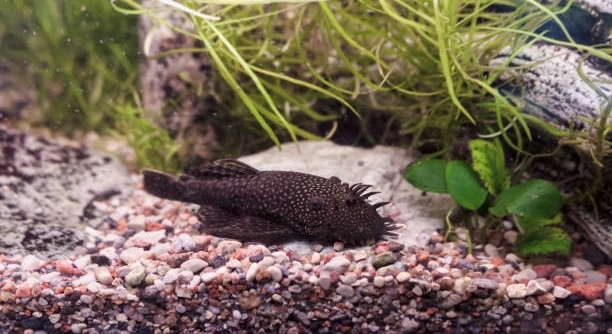
Cleaning your aquarium is an important task, and it often involves deciding whether or not to remove your pleco. This is a common concern for fish keepers who want to maintain a healthy environment for their fish.
The decision to remove your pleco during cleaning depends on the type of cleaning being done. If you’re performing a deep clean, it’s better to remove them to avoid stress and potential injury. However, during routine maintenance, it is generally safe to leave them in.
Understanding the best practices for cleaning your aquarium will help ensure that your pleco remains safe and stress-free while keeping your tank in top condition.
Why Removing Your Pleco Can Be Important During Deep Cleanings
When cleaning an aquarium, it’s essential to understand how different cleaning tasks can affect your pleco. Deep cleaning, which involves removing gravel, scrubbing decorations, and replacing the water, can stir up debris and potentially stress the fish. Plecos are sensitive to changes in water quality, especially when it’s disturbed by a cleaning session. Removing them during this process helps prevent unnecessary stress or injury, ensuring that the pleco remains healthy and calm. It’s important to keep your pleco in a safe, stress-free environment while maintaining your tank’s cleanliness. If you’re worried about disturbing your fish, moving the pleco temporarily to a separate container filled with aquarium water can be a good solution.
Though it may seem inconvenient, removing your pleco during a deep clean can be beneficial in the long run. It minimizes the risk of contamination from cleaning chemicals and ensures that your pleco isn’t exposed to rapid shifts in its environment, which could harm it.
By following this practice, you also reduce the chances of accidentally damaging your pleco or its delicate fins during the cleaning process. A little extra care will keep both your pleco and tank in better condition.
Routine Cleanings and When to Keep Your Pleco in the Tank
Routine cleanings are less intensive and typically do not require removing your pleco from the tank.
During these regular maintenance sessions, it’s sufficient to perform light water changes, clean the filter, and remove visible debris. Your pleco will usually stay calm through these tasks, as they don’t disturb the environment too drastically. However, be mindful not to over-clean the tank, as plecos often rely on algae growth and detritus in the aquarium for food.
In this type of cleaning, the pleco will likely remain undisturbed. It’s important to avoid cleaning everything all at once, as this can be overwhelming for your pleco. Keep your tank balanced by focusing on gentle cleaning practices and maintaining a stable water quality that supports your pleco’s needs.
Maintaining a regular cleaning schedule that doesn’t overtax your fish will help keep your pleco thriving in the long term.
How to Safely Remove Your Pleco During Cleaning
If you decide to remove your pleco during cleaning, it’s important to do so gently. Use a soft net to scoop it out, avoiding any sudden movements. Be careful not to injure the pleco, as its fins are delicate.
Place your pleco in a temporary holding container filled with water from the aquarium. This will help maintain the water’s temperature and quality. Keep the container in a calm, quiet area to avoid stressing the fish further. Make sure the container is large enough for the pleco to move comfortably, but not too spacious where the fish might feel insecure.
The most important factor to monitor during this process is the water quality in the holding container. Make sure to add an air stone or gentle filter to prevent oxygen depletion. Keep an eye on the temperature, as fluctuations can stress your pleco. Once your tank is cleaned, carefully return the pleco to its original environment, ensuring that it’s fully acclimated to the water conditions.
Understanding Pleco Stress During Cleanings
Plecos are sensitive to sudden changes in their environment, making them more susceptible to stress during tank cleanings. Even a slight disturbance in water quality can cause them to act erratically or become sluggish.
To minimize stress, it’s best to avoid over-cleaning or changing too many factors at once. Instead, perform light cleanings frequently. This will help maintain the pleco’s natural habitat without overwhelming it. Keep an eye on how your pleco behaves during and after cleaning, as a stressed pleco may hide or become less active.
Being mindful of these factors ensures that your pleco remains comfortable and healthy. Stability in the aquarium is key for your pleco’s well-being. The more consistent the environment, the less likely it is that your pleco will experience stress.
Alternatives to Removing Your Pleco
If you don’t want to remove your pleco during cleaning, consider less invasive cleaning methods. Use a gravel vacuum that disturbs minimal areas and focus on cleaning smaller sections at a time. This reduces disruption in the tank.
You can also use a siphon to remove debris while keeping the pleco undisturbed. Be gentle and avoid hovering the vacuum too closely to the pleco. With careful movement, the pleco can continue its regular activities without too much interference. This is a great option if you want to limit stress during routine cleaning sessions.
How to Handle Algae and Debris Without Stressing Your Pleco
When cleaning algae or debris from the aquarium, consider using a soft algae scraper. This tool allows you to remove algae without causing much disturbance to your pleco. Avoid scraping areas too close to where the pleco is resting.
Cleaning decorations gently with a soft sponge also ensures your pleco doesn’t get startled by rough scrubbing. Algae and debris removal can be done slowly to keep your pleco from feeling threatened. While plecos naturally help with algae control, it is still important to help maintain a balanced, clean environment for them.
Best Tools for Aquarium Cleaning
For aquarium cleaning, a soft net, gravel vacuum, and algae scraper are the best tools to use. These tools allow you to keep your tank clean while minimizing stress on your pleco.
FAQ
Should I remove my pleco during a partial water change?
It’s generally not necessary to remove your pleco during a partial water change. As long as the process is gentle, with minimal disruption to the tank, your pleco can remain in the water. Just ensure the water temperature and quality remain stable throughout the process. Using a siphon to remove debris and replace water gradually helps keep stress levels low for your pleco.
Can I clean my aquarium while my pleco is in the tank?
Yes, you can clean your aquarium with the pleco in the tank. However, it’s important to use tools that won’t cause too much disturbance, such as a gentle gravel vacuum or a soft algae scraper. Avoid large or sudden movements that might startle your pleco. Regular maintenance that disturbs the environment minimally is best for keeping your pleco comfortable.
How often should I clean my aquarium if I have a pleco?
With a pleco in the tank, cleaning should be done regularly but gently. Perform partial water changes every two weeks, and clean the filter as needed. Algae scraping can be done every couple of weeks, depending on how much algae has built up. Plecos help keep the tank clean by eating algae, but you should still monitor the water quality closely.
What should I do if my pleco seems stressed during cleaning?
If your pleco shows signs of stress during cleaning, such as hiding, rapid swimming, or appearing lethargic, consider removing it temporarily. Keep the pleco in a container filled with aquarium water while you clean, then return it to the tank once the environment is stable again. Be sure to maintain a calm environment and avoid making sudden changes to the tank that might cause further distress.
Is it safe to clean my pleco’s tank during the night?
Cleaning during the night can be safe as long as the tank conditions remain stable. Plecos are nocturnal creatures, and cleaning during this time might actually minimize stress since they are naturally more active during the evening hours. Just be sure to keep lighting and water conditions consistent.
Can I leave the pleco in the tank while I clean the decorations?
Yes, you can clean the decorations without removing your pleco. Just be gentle and avoid disturbing the pleco’s hiding spots too much. If you’re removing rocks or decorations where your pleco hides, do it slowly and gently to avoid startling it. Make sure to avoid using harsh chemicals when cleaning decorations as well, as plecos are sensitive to changes in water quality.
How do I know if my pleco is feeling stressed?
Stress in a pleco can manifest through changes in behavior, such as hiding more than usual, excessive swimming, or becoming inactive. You may also notice it scraping or rubbing its body against surfaces, which can indicate discomfort. If your pleco shows signs of stress, assess your cleaning habits, water quality, and any changes in the tank environment that could be causing discomfort.
Can I use chemical cleaners during cleaning if my pleco is in the tank?
It’s best to avoid using harsh chemical cleaners in the aquarium if your pleco is present. Chemical cleaners can affect water quality and harm the pleco’s sensitive skin and gills. If you need to clean the tank, opt for natural cleaners like vinegar or aquarium-safe products designed to be safe for fish.
Should I clean the filter while my pleco is in the tank?
Yes, you can clean the filter while your pleco is in the tank, but be sure to do it gently. Remove and rinse the filter media with aquarium water, not tap water, to preserve beneficial bacteria. Avoid cleaning the entire filter at once, as this can disrupt the tank’s balance. Clean the filter regularly to ensure proper water circulation and filtration.
Can cleaning the aquarium too often harm my pleco?
Yes, cleaning the aquarium too often or performing deep cleans too frequently can harm your pleco. Over-cleaning can remove beneficial bacteria and disrupt the water chemistry. It’s essential to maintain a balance—clean the tank regularly, but avoid scrubbing everything at once or replacing too much water. Stick to a routine of partial water changes and gentle cleaning practices.
How can I keep my pleco calm while cleaning?
To keep your pleco calm, maintain a steady and gentle routine. Avoid making sudden movements and give the pleco space to swim around. If you must clean close to its hiding spots, do so slowly and quietly. Keeping the water temperature stable and minimizing noise around the tank will also help reduce stress.
Can cleaning stress my pleco if I do it too aggressively?
Yes, cleaning too aggressively can stress your pleco. Rough handling of decorations, gravel, or filters can cause physical harm and sudden changes in water conditions can affect the pleco’s health. Always clean with care, using gentle tools and gradual methods to ensure minimal disruption. If you’re concerned about stress, remove your pleco temporarily during deep cleaning.
Final Thoughts
Cleaning an aquarium with a pleco in it requires careful planning to ensure the health and comfort of your fish. Plecos are generally resilient and can handle regular tank maintenance as long as it is done thoughtfully. The key is to minimize disruptions and avoid sudden changes that could stress your pleco. Cleaning tools like gravel vacuums and soft algae scrapers can help maintain the tank without disturbing your pleco too much. Keeping a calm and steady approach will prevent unnecessary stress, allowing your pleco to thrive in its environment.
It’s important to remember that plecos do contribute to cleaning the tank naturally by consuming algae. However, they can’t manage all the waste on their own, especially when it comes to debris or uneaten food. Regular maintenance such as partial water changes and gentle cleaning will keep the environment healthy for both your pleco and other tank inhabitants. When cleaning, focus on small tasks over time rather than deep cleaning all at once. This helps to preserve the beneficial bacteria in the tank, which are essential for maintaining a balanced ecosystem.
Lastly, observe your pleco closely to ensure it is not showing signs of stress during the cleaning process. If your pleco seems overly stressed, it’s a good idea to remove it temporarily to a separate container with water from the tank. This will give you the opportunity to clean the tank without causing harm or distress to your pleco. By maintaining a consistent cleaning routine and watching for any changes in behavior, you can help ensure that your pleco stays healthy and happy in its home.

Hello,
If you enjoy the content that we create, please consider saying a "Thank You!" by leaving a tip.
Every little bit helps us continue crafting quality advice that supports the health, happiness, and well-being of pets around the world, for pets of all shapes, sizes, and species.
We really appreciate the kindness and support that you show us!