
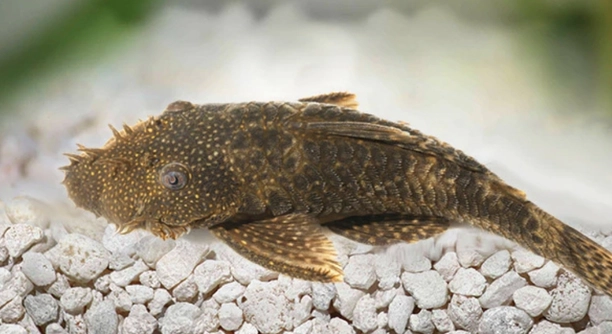
Plecos are popular aquarium fish known for their cleaning abilities. As they grow, their care requirements can change. One of the most common questions pet owners have is whether their pleco’s tank is still suitable as it matures.
The answer depends on the size of your pleco and the current tank setup. If your pleco is growing larger than expected, a bigger tank can provide more space and better conditions, ensuring its health and comfort.
There are several factors to consider when deciding whether your pleco needs a new home. Understanding these considerations can help you create a better environment for your fish.
Why Tank Size Matters for Your Pleco
Plecos are known to grow fairly large, and their size directly impacts the tank size they need. As your pleco grows, it requires more space to swim and thrive. In their natural habitat, plecos have ample room, so providing the same in an aquarium helps mimic their environment. Without enough space, your pleco may become stressed, which can lead to health problems like stunted growth or even early death.
A tank that’s too small can also affect the water quality. Smaller tanks are more prone to fluctuations in temperature and pH, which can negatively impact your pleco’s health. Additionally, a crowded tank can lead to competition for food and space, which might cause aggression or slow growth. Plecos are bottom dwellers, and they need a tank that offers enough room for them to roam and feed comfortably. As a general rule, larger plecos need tanks starting at 75 gallons or more, especially if they are the only fish in the tank.
It’s important to monitor your pleco’s growth over time. If your tank seems to be getting crowded or if your pleco is outgrowing its space, upgrading to a larger tank can significantly improve its quality of life. A larger tank also allows for a better filtration system, which is essential for maintaining good water conditions.
Signs Your Pleco Needs a Bigger Tank
You’ll notice a few signs when it’s time to upgrade your pleco’s tank. If your pleco is constantly swimming in circles or showing signs of aggression, it could be a sign that it’s feeling cramped.
When considering a new tank, make sure to check the measurements carefully. A spacious tank can help your pleco live a longer and healthier life.
How Big Should Your Pleco’s Tank Be?
The size of the tank needed depends on the pleco’s species. Most plecos grow to about 12 inches, but some can reach over 24 inches. Generally, a 75-gallon tank is suitable for a smaller pleco, while larger species will need tanks that are 100 gallons or more.
For plecos like the common variety, which can grow up to 24 inches long, a 100-gallon tank or larger is recommended. Smaller species, like the bristlenose pleco, are fine in a 50 to 75-gallon tank. The larger the pleco, the more space it needs to maintain good health. A tank that’s too small will restrict its movement and affect its well-being.
Additionally, consider the tank’s layout. Plecos are bottom dwellers and need space to forage. A wider tank with plenty of open space allows the pleco to find food and interact with its environment. The shape and height of the tank matter too, as plecos need room to move freely, especially when fully grown.
Tank Setup for a Growing Pleco
A larger tank isn’t the only factor. Proper filtration and tank setup are essential for a growing pleco. A good filtration system ensures clean water, which is crucial for the pleco’s health as waste can accumulate quickly in larger tanks.
Make sure the tank has plenty of hiding spots and smooth surfaces for your pleco to graze on. Driftwood is essential for many plecos, as it provides both food and a place to hide. Decorations should be placed carefully to avoid crowding the tank, which can stress out your pleco. The more natural and spacious the environment, the healthier your pleco will be.
Pleco Tank Maintenance
With a larger tank, you’ll need to ensure proper maintenance. Bigger tanks require more frequent water changes to keep the environment stable. Regular cleaning prevents algae buildup and ensures the pleco’s habitat remains healthy.
A good rule of thumb is to change 20-30% of the water every two weeks. This helps maintain water quality and removes excess waste. Additionally, check the filtration system regularly to make sure it’s running efficiently. As your pleco grows, its waste production increases, so keeping the filtration system in top condition is key for its health.
Regular monitoring of water parameters, like temperature and pH levels, is important for avoiding stress. Since plecos are sensitive to water changes, keeping the tank clean and stable will reduce the risk of health problems. Proper maintenance helps your pleco thrive in its environment.
Adding Tankmates for Your Pleco
If you plan to add other fish to your pleco’s tank, choose species that are compatible with plecos. Avoid aggressive or overly active fish that might stress your pleco.
Plecos do well with peaceful species like tetras or corydoras. When adding tankmates, ensure the tank is large enough to accommodate everyone comfortably. This helps prevent territorial disputes and ensures that each fish has enough space to live peacefully.
The Importance of Proper Lighting
Plecos are nocturnal creatures, so they don’t need intense lighting. Overly bright lights can stress them out and disturb their natural behavior. Keep lighting in the tank low to mimic natural conditions.
This allows your pleco to feel more secure and prevents unnecessary stress. Low light also helps maintain a calm environment, making the tank a better place for all inhabitants. You can use dim LED lights or a simple light timer to regulate the day-night cycle.
FAQ
How often should I change the water in my pleco tank?
You should change 20-30% of the water every two weeks. Larger tanks may not need frequent changes, but regular water changes are crucial for maintaining water quality. With a growing pleco, waste production increases, so keeping up with water changes will help prevent toxic buildups. If you have a smaller tank or a higher stocking level, you might need to change the water more often, up to once a week. Keep in mind that your pleco will appreciate a clean, stable environment for its health and well-being.
What temperature is best for my pleco’s tank?
Most plecos thrive in water temperatures between 72°F and 80°F (22°C to 27°C). They are tropical fish and need warm water to stay active and healthy. Keep the tank within this range to avoid stressing your pleco. Using a reliable heater will help maintain a consistent temperature. Sudden temperature changes can cause health problems, so it’s essential to monitor water temperature regularly. A thermometer in the tank is a good way to ensure that the temperature stays stable and within the ideal range.
Can I keep multiple plecos in the same tank?
Yes, you can keep multiple plecos in the same tank, but there are some factors to consider. Plecos are territorial, so you’ll need a large tank to provide enough space for each fish. It’s best to keep species that are similar in size to avoid aggression. You should also provide hiding spots and plenty of room for each pleco to claim its space. Some pleco species, like bristlenose plecos, are more peaceful, while others might get territorial, so keep that in mind when planning tankmates. Also, ensure that the filtration system is strong enough to handle the increased waste.
Do plecos need special food?
Plecos are mainly herbivores, but some species are opportunistic omnivores. They eat algae, detritus, and plant matter in the wild, and you should replicate this diet in your tank. Offer your pleco algae wafers, blanched vegetables like zucchini, spinach, and cucumber. Occasionally, they may enjoy live or frozen food like bloodworms or brine shrimp. Plecos also enjoy grazing on driftwood, which provides both food and a place to hide. Make sure to avoid overfeeding; plecos are bottom feeders, so they tend to eat slower than other fish. Remove uneaten food after a few hours to maintain good water quality.
Do plecos need a filter?
Yes, plecos need a filter. They produce a significant amount of waste, especially as they grow larger. A filter will help remove excess waste and debris from the water, keeping it cleaner for longer. It’s important to use a filter that’s appropriate for the size of your tank. Ensure the filter’s flow rate is gentle enough not to disturb your pleco, as they prefer calmer water. Some plecos, like the bristlenose, are more adaptable to different water flow conditions, while others may prefer less current. Regularly clean the filter to ensure it’s working effectively.
Why is my pleco constantly hiding?
Plecos are nocturnal creatures and prefer to stay hidden during the day. It’s normal for them to hide in caves, behind plants, or under rocks. If your pleco is hiding all the time, it might be stressed or not feeling comfortable in its environment. Check the tank’s temperature, water quality, and other conditions. Too much light or aggressive tankmates could be causing your pleco to feel insecure. Ensure your pleco has plenty of hiding spots to retreat to when it needs rest or feels threatened. If it’s still hiding frequently, it might be a sign of poor tank conditions or illness.
Do plecos need a lot of space to swim?
Yes, plecos need a decent amount of space to swim and grow properly. As bottom dwellers, they need enough room to move around and explore their environment. A tank that’s too small can lead to stress and stunted growth. It’s essential to give your pleco enough space to forage for food, swim freely, and find a comfortable place to rest. A 75-gallon tank is generally recommended for smaller plecos, and larger species will need 100 gallons or more. The larger the tank, the more stable the water quality, which is crucial for your pleco’s health.
Can plecos live with other fish?
Yes, plecos can live with other fish, but you need to choose compatible tankmates. Plecos are generally peaceful and do well with calm, non-aggressive fish. Some good tankmates for plecos include tetras, gouramis, and peaceful cichlids. Avoid keeping them with aggressive or overly active species that might bully your pleco or steal its food. Keep in mind that plecos are bottom dwellers, so they don’t compete for space in the upper water column. However, other bottom-feeding fish may cause competition for food, so ensure there’s enough space and food for everyone.
What should I do if my pleco isn’t eating?
If your pleco isn’t eating, it could be due to stress, poor water conditions, or illness. First, check the water parameters such as pH, temperature, and ammonia levels. If they’re out of the ideal range, this could be causing the issue. Also, consider if you’re offering the right type of food. Plecos need algae wafers, blanched vegetables, and sometimes live or frozen food. If the problem persists, check for any signs of illness, such as a change in behavior or physical symptoms like white spots or lesions. If you’re concerned, consult an aquarium expert or a vet specializing in fish.
Do plecos require a lot of attention?
Plecos are relatively low-maintenance, especially compared to other fish. They don’t require daily interaction and are content as long as their basic needs are met. Regular maintenance, such as water changes and ensuring the filter is clean, is important. However, you do need to monitor water quality and ensure that the tank is properly set up for them. Plecos do best in a peaceful environment with little disruption. While they don’t need constant attention, checking on their health and water quality regularly will help keep them happy and healthy.
Final Thoughts
Taking care of a pleco means providing it with enough space to grow and thrive. As plecos can grow quite large, it’s important to ensure that their tank is big enough to accommodate their size. A 75-gallon tank is typically suitable for smaller plecos, while larger varieties may need a tank of 100 gallons or more. When your pleco reaches its full size, a larger tank will allow it to swim freely, maintain good health, and avoid the stress that comes from being cramped in a smaller space. It’s also essential to regularly monitor water conditions and maintain proper filtration to ensure a clean, healthy environment.
The setup of the tank matters just as much as the size. Plecos are bottom dwellers, so they need plenty of hiding spots and access to surfaces like driftwood for grazing. These features mimic their natural habitat and provide them with a sense of security. A tank with proper decorations and adequate hiding spaces helps to reduce stress and makes the pleco feel more comfortable. The key is to create an environment that closely resembles what they would experience in the wild. Proper lighting and temperature control also contribute to their well-being, as plecos prefer dim lighting and stable, warm temperatures.
In the end, providing the right space and care for your pleco is crucial for its health and happiness. Understanding the needs of your pleco, such as a larger tank, good water quality, and appropriate tankmates, will allow you to provide a better life for your fish. Although plecos are generally low-maintenance, they still need regular attention to ensure they are growing well and staying healthy. By maintaining their environment and offering proper food, your pleco will have the best chance to thrive in its aquarium home.

Hello,
If you enjoy the content that we create, please consider saying a "Thank You!" by leaving a tip.
Every little bit helps us continue crafting quality advice that supports the health, happiness, and well-being of pets around the world, for pets of all shapes, sizes, and species.
We really appreciate the kindness and support that you show us!