
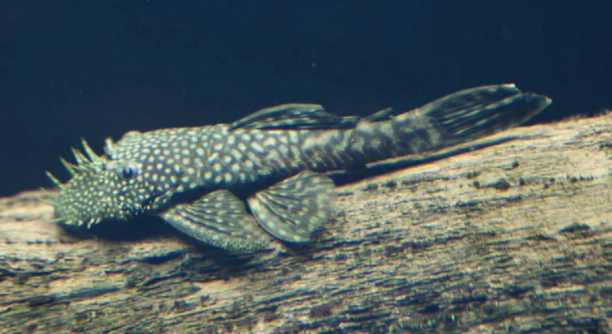
Many aquarium owners care deeply about the needs of their fish, especially when it comes to feeding them. One question that may come up is whether or not to feed your pleco in the dark.
Feeding plecos in the dark is generally unnecessary, as they can feed effectively during the day as well. Plecos are nocturnal creatures, but they can adjust to a daytime feeding schedule, especially if their environment remains stable.
There are a few things to keep in mind when feeding your pleco. Learning the best practices for their diet and feeding habits will help maintain their health and happiness.
Pleco Feeding Habits and Timing
Plecos are nocturnal fish, which means they are most active at night. However, that doesn’t mean they cannot eat during the day. While some people believe that feeding them in the dark mimics their natural habits, plecos can easily adapt to a daytime feeding schedule. If you have a set routine for feeding your pleco, it will learn to adjust and come out of hiding during daylight hours to eat. This can also be a more convenient option for you, as it fits better with regular aquarium maintenance.
In fact, plecos are opportunistic feeders and will eat when food is available, regardless of the time of day. They are not as picky about lighting as some other fish. Providing them with food during the day can help ensure they are getting the nutrition they need, without stressing about whether or not it’s dark.
Feeding plecos during the day also allows you to monitor their eating habits more closely. You can see if they are eating enough and avoid overfeeding, which can lead to water quality issues. It’s also easier to observe if they are eating the right types of food. Plecos eat algae, vegetables, and wood, so providing these food sources during the day can ensure they get the proper nutrition.
The Impact of Lighting
Plecos are not entirely dependent on darkness for feeding. They use their keen sense of smell and touch to locate food, meaning light doesn’t play as big a role in their feeding habits.
By maintaining consistent lighting in your aquarium, you can create a stable environment for your pleco. With proper light and a feeding schedule, your pleco will feel comfortable and safe when eating. Regularly scheduled feeding helps promote healthy digestion, ensuring your pleco thrives.
It’s important to remember that some plecos might still be shy and prefer eating at night when there are fewer disturbances. However, as long as they have access to food during the day, they’ll adjust to the lighting conditions in your tank. Plus, keeping a regular routine will help your pleco feel secure and help with its overall health.
Feeding Frequency
Plecos do best when fed at regular intervals. Feeding them once a day is usually enough to keep them healthy. Overfeeding can cause water quality problems and lead to unhealthy weight gain. Adjust the amount of food depending on your pleco’s size and the size of your tank.
It’s important to consider that plecos have a slow metabolism, so they don’t require as much food as other fish. If you’re feeding them more than once a day, it’s easy to accidentally overfeed. A consistent feeding schedule of once daily ensures they get enough nutrition without excess food building up in the tank.
In addition, it’s a good idea to feed plecos a variety of foods like algae wafers, vegetables, and driftwood. This helps mimic their natural diet and keeps them healthy. Some plecos might enjoy a small feeding every other day, especially if they are in a tank with plenty of algae to graze on.
Types of Food
Plecos are bottom feeders, which means they tend to eat food that sinks. Algae wafers and sinking pellets are popular choices. Vegetables like zucchini, cucumber, and spinach can also be offered, providing them with essential nutrients.
While plecos do consume algae, it’s essential not to rely solely on this for their diet. You should provide supplementary food to make sure they are getting all the vitamins and minerals they need. A balanced diet with a variety of options will keep your pleco in good health.
It’s also important to remove uneaten food after a few hours to avoid water contamination. Plecos can be messy eaters, and leftovers may decompose, affecting the water quality. By maintaining a clean tank and offering the right variety of food, you can help your pleco stay happy and healthy.
Pleco Tank Environment
Plecos need a clean and stable tank environment to thrive. Their tank should have adequate filtration to maintain water quality, as they produce a fair amount of waste. Regular water changes and monitoring of tank parameters like pH, temperature, and ammonia levels are crucial.
They also prefer a well-structured tank with plenty of hiding spots. Driftwood, rocks, and plants help them feel secure and provide surfaces for them to graze on. A tank with both open spaces and quiet areas gives your pleco the freedom to choose where they feel most comfortable.
Plecos do best in tanks with a soft, slightly acidic to neutral pH and temperatures between 72°F and 80°F. Keeping their environment stable reduces stress and promotes healthy growth. A proper environment will ensure your pleco is more likely to eat and behave normally.
Lighting Conditions
Plecos tend to be more active in low-light conditions, as they are nocturnal creatures. However, they can adjust to a well-lit tank during the day, especially if they are fed on a consistent schedule.
While light is not crucial for their feeding, dimming the lights before feeding time may encourage them to come out of hiding. This mimics their natural feeding habits without relying on complete darkness. You can experiment with lighting to see what works best for your pleco.
Pleco Growth and Size
Plecos grow relatively fast, depending on the species. Larger plecos need larger tanks to accommodate their size. As they grow, their diet and tank requirements may change, so it’s important to plan for their future needs.
The size of your pleco may also affect how much food it needs. Larger plecos will require more food to maintain their health, and this may also lead to more waste. Regular tank maintenance will become more important as they grow, as they produce more waste.
FAQ
Can I feed my pleco only algae?
No, while algae is a natural part of a pleco’s diet, it shouldn’t be the only food offered. Plecos need a varied diet to ensure they get all the essential nutrients. Algae wafers can be supplemented with vegetables like zucchini, cucumber, and spinach. Additionally, plecos benefit from driftwood, which aids their digestion and helps mimic their natural environment. A balanced diet promotes their health and ensures they don’t become deficient in essential vitamins or minerals.
Do plecos need driftwood to eat?
Yes, driftwood is an important part of a pleco’s diet. Many plecos, especially species like the Bristlenose, naturally graze on wood in their native habitats. The wood provides roughage that aids in digestion and helps maintain their gut health. While not all plecos require driftwood to survive, providing it in the tank is beneficial. It also helps mimic their natural environment, which can reduce stress and encourage natural behaviors.
How often should I feed my pleco?
It’s typically recommended to feed your pleco once a day. They have slow metabolisms and can easily overeat, which may cause water quality issues. Feeding once daily ensures they get enough nutrition without excess food decomposing in the tank. If your pleco is larger or more active, you may need to adjust the portion size accordingly. If you’re concerned about overfeeding, you can feed every other day or offer smaller portions.
Can I feed my pleco vegetables?
Yes, plecos enjoy vegetables as part of their diet. Zucchini, cucumber, spinach, and peas are great options. You can offer these vegetables raw, but it’s important to blanch them first to soften them, making them easier for your pleco to eat. Just be sure to remove any leftover vegetables after a few hours to prevent water contamination. Offering a variety of vegetables will ensure they receive a broad range of nutrients.
Do plecos need light to eat?
While plecos are nocturnal and prefer low-light conditions for feeding, they can eat during the day if the tank is well-lit. Plecos rely on their sense of smell and touch to locate food rather than on their vision. However, they may feel more comfortable eating in dim lighting, as it mimics their natural habitat. If your pleco hides during the day, try dimming the lights before feeding to see if that encourages them to come out.
Can plecos live with other fish?
Yes, plecos are generally peaceful fish and can live with a variety of other fish species. However, it’s important to consider the size and temperament of both your pleco and the other tank inhabitants. Plecos may become territorial, especially larger species, so make sure your tank is large enough and provides plenty of hiding spots. Avoid housing them with aggressive or overly territorial fish, as this can lead to stress or conflicts.
How can I tell if my pleco is healthy?
A healthy pleco should have a good appetite, active behavior, and a smooth, undamaged body. Their skin should be free from lesions, discoloration, or signs of infection. A healthy pleco will graze on the tank surfaces and may swim around when curious. If your pleco is constantly hiding, not eating, or showing signs of distress, such as rapid breathing or abnormal behavior, it could indicate stress or illness. Monitoring their health regularly and maintaining stable tank conditions are key.
Do plecos require a special type of substrate?
Plecos don’t require a special type of substrate, but they do prefer a soft, sandy bottom rather than sharp gravel. Sharp gravel can injure their delicate underside. Fine sand or smooth gravel allows plecos to move freely without damaging themselves. Additionally, a sandy substrate helps promote natural behavior, such as sifting through the substrate for food. If you use sand, make sure it’s cleaned regularly to avoid harmful buildup.
How do I prevent algae overgrowth in my tank?
While plecos are excellent algae eaters, they can’t always keep up with excessive algae growth, especially in tanks with a lot of light. To prevent algae overgrowth, control the amount of light your tank gets. Keep aquarium lighting on for no more than 10–12 hours a day. Regular water changes and proper filtration also help manage algae growth. In some cases, you may need to manually clean the tank and use an algae scraper to remove excess growth.
Why does my pleco hide all the time?
Plecos are naturally shy, nocturnal creatures. If your pleco is hiding, it’s often just part of its natural behavior. However, it could also be a sign of stress. Factors like too much light, aggressive tank mates, or poor water quality can cause your pleco to retreat into hiding. Ensure your tank provides plenty of hiding spots, such as caves or plants, and make sure the environment is peaceful. If hiding persists despite stable conditions, it could indicate an issue with water parameters or health.
Final Thoughts
Feeding your pleco doesn’t have to be complicated. They are fairly adaptable creatures, and with a little understanding of their diet and environment, you can easily meet their needs. While plecos are nocturnal, they can eat just as well during the day. Feeding them once a day or even every other day, depending on their size and activity level, is usually sufficient. Providing a balanced diet that includes algae wafers, vegetables, and driftwood will help them stay healthy. It’s also important to monitor their eating habits to ensure they are not overeating, which could lead to water quality issues. A simple feeding schedule and the right variety of food will go a long way in maintaining their health.
Keeping your pleco’s tank environment stable is just as important as feeding. A clean tank with proper filtration and regular water changes is essential for their overall well-being. Plecos are bottom dwellers, so they thrive in a tank with smooth substrate and plenty of hiding spots. Driftwood not only provides a place to hide but also supports their natural feeding behavior. Since plecos can grow quite large, it’s crucial to ensure they have enough space to move around comfortably. A larger tank with plenty of room will prevent overcrowding, which can lead to stress and unhealthy behavior. The right environment helps them feel secure and reduces the likelihood of them hiding all the time.
In conclusion, while plecos have specific needs when it comes to feeding and their environment, they are relatively easy to care for once you understand the basics. By providing them with a varied diet, maintaining a stable tank environment, and being mindful of their growth and behavior, you can ensure that your pleco remains healthy and happy. Regular maintenance and observation are key to keeping your pleco thriving. With a little attention and consistency, your pleco will adjust well to a daytime feeding schedule and enjoy its time in your aquarium.

Hello,
If you enjoy the content that we create, please consider saying a "Thank You!" by leaving a tip.
Every little bit helps us continue crafting quality advice that supports the health, happiness, and well-being of pets around the world, for pets of all shapes, sizes, and species.
We really appreciate the kindness and support that you show us!