
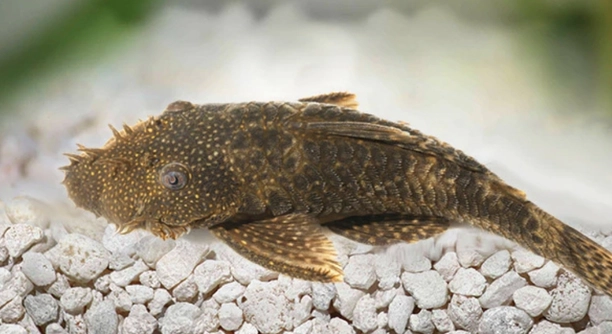
Covering your pleco’s tank at night may seem like a simple decision, but there are a few things to consider. Whether or not it’s beneficial depends on factors like temperature, light exposure, and overall tank conditions.
Keeping your pleco’s tank covered at night can help maintain a stable temperature and reduce light disturbance. However, it is essential to ensure proper ventilation and prevent humidity buildup, which could lead to health issues for your fish.
Understanding the effects of covering your pleco’s tank will guide you in creating the best environment for its well-being.
Why Covering Your Pleco’s Tank Might Be Helpful
Covering your pleco’s tank at night can be beneficial in maintaining a stable environment. Plecos are sensitive to temperature changes, and covering the tank helps keep the water temperature from fluctuating too much. In cooler climates, this can prevent temperature drops that could stress the fish. Additionally, it can reduce light disturbances, as plecos tend to be more active during the night. Light exposure, especially from external sources, can disrupt their natural behaviors, so keeping the tank covered helps create a more peaceful atmosphere for them to rest. However, it’s essential to ensure that the cover allows for adequate airflow.
A tank cover can prevent excessive heat loss, which is especially important for plecos that prefer a warmer environment. It also limits external light that may disturb their sleep patterns.
However, if the cover prevents proper ventilation, it can lead to moisture buildup, which can promote the growth of mold and affect the tank’s overall health. The cover must strike a balance between warmth and proper air circulation.
Potential Risks of Covering the Tank
While covering your pleco’s tank can have its advantages, there are risks. Excessive moisture buildup is one of the most common concerns. If the tank is covered too tightly, condensation may accumulate inside the enclosure. This can create an unhealthy environment for both the pleco and any plants or other tank inhabitants. Additionally, plecos need oxygenated water, and proper airflow ensures that oxygen is available at all times. If the cover obstructs airflow, it may limit the amount of oxygen in the tank, which could harm your pleco’s health.
A properly ventilated cover can mitigate these risks. Be sure to check that the cover allows air to flow freely while still helping to maintain temperature stability. Ensuring there is adequate ventilation is key to keeping your pleco comfortable and healthy at night.
Temperature Control and Stability
Covering your pleco’s tank can help keep the water temperature consistent, especially during colder months. Plecos prefer warmer water, and maintaining that warmth at night can be vital for their health.
If your home experiences temperature fluctuations, a cover can prevent rapid cooling during the night. This helps ensure your pleco remains comfortable and avoids the stress caused by sudden drops in water temperature. However, if you live in a consistently warm environment, covering the tank may not be necessary, as it could lead to overheating. You’ll need to assess your home’s temperature conditions and your pleco’s tolerance.
For tanks in cooler areas, a cover can act as an extra layer of protection against temperature changes. By trapping heat, it prevents the water from cooling off too much at night. If the temperature dips too low, it could negatively impact your pleco’s metabolism, reducing its immune function and causing stress. A well-regulated tank environment will lead to a healthier pleco, encouraging natural behaviors and minimizing health issues.
Light Sensitivity and Sleeping Patterns
Plecos are nocturnal, meaning they are most active during the night. Keeping a tank covered can help minimize light pollution from room lighting or street lamps, creating a more natural environment for your fish.
Exposure to unwanted light can disrupt their sleep, leading to stress or restlessness. By covering the tank, you can simulate the darker, quieter conditions they would naturally seek in the wild. This helps your pleco sleep more soundly and maintain a healthy circadian rhythm. The right amount of darkness allows plecos to feel safe and secure, promoting overall well-being.
At the same time, a completely dark tank might not be ideal either. Some light can be beneficial, especially for plants in the tank. A breathable cover with slight gaps can strike a balance by reducing excess light while allowing a little natural light for any plants or necessary biological functions.
Air Circulation and Ventilation
Proper air circulation is crucial when covering your pleco’s tank. While covering can help maintain warmth, it’s important to avoid trapping moisture and carbon dioxide inside.
Excessive humidity can affect water quality, promoting algae growth and other issues. A cover with ventilation holes allows for airflow, which is essential for keeping your pleco’s environment healthy.
If air circulation is restricted, it could lead to problems like mold or unpleasant odors in the tank. Ensuring the tank cover allows air exchange will help prevent these risks while still protecting the water from temperature fluctuations. Proper airflow ensures a balance of moisture and oxygen, benefiting both your pleco and any plants inside.
Observation and Tank Maintenance
Covering the tank can limit your ability to observe the pleco’s behavior at night. You may miss signs of stress or illness that would otherwise be noticeable during normal tank checks.
On the other hand, having a cover also reduces the amount of cleaning required. Less debris may enter the tank, and dust won’t accumulate as easily. However, it’s important to still maintain a routine for cleaning and observing the health of your pleco. Make sure you check on your fish during the day to ensure everything is in good condition.
Temperature Regulation at Night
Covering the tank at night can significantly improve temperature regulation. The stable conditions help prevent drastic drops in water temperature, which is crucial for your pleco’s health.
FAQ
Should I cover my pleco’s tank every night?
It depends on the temperature of your home and the specific needs of your pleco. If your tank is in a cooler area, covering it at night helps maintain warmth and prevents sudden temperature fluctuations. However, if the room stays at a consistent temperature, covering it may not be necessary. It’s important to balance temperature regulation with ventilation to avoid trapped moisture.
Can I use any cover for my pleco’s tank?
It’s best to use a breathable cover that allows some air exchange. Materials like mesh or breathable fabric are better than solid plastic or glass covers. Solid covers may trap too much moisture and restrict airflow, which can lead to mold growth or oxygen depletion. Make sure the cover fits securely but isn’t airtight.
How do I know if my pleco needs more warmth at night?
If you notice that your pleco becomes more lethargic at night or spends more time hiding, it could be a sign that the water temperature is too low. Plecos are tropical fish and prefer warmer water, so if the temperature drops below their ideal range (72-82°F or 22-28°C), it may cause them stress. In such cases, covering the tank could help maintain a stable temperature.
What happens if I cover my pleco’s tank too tightly?
If the cover is too tight, it can restrict airflow, leading to excess humidity and a buildup of carbon dioxide in the tank. This can be harmful to both your pleco and any live plants or other tank inhabitants. Excess moisture could also encourage algae growth and mold, which can create an unhealthy environment. Always ensure there’s adequate ventilation.
Can a tank cover affect the light exposure for my pleco?
Yes, covering the tank can block light from external sources, which helps maintain a natural night cycle for your pleco. Plecos are nocturnal creatures, so keeping the tank covered reduces light disturbances that could interfere with their sleep. However, it’s also important not to completely block out light if you have live plants in the tank, as they need light for photosynthesis.
How do I maintain good air circulation with a cover?
When using a cover, it’s important to ensure there are small ventilation holes or gaps that allow air to flow freely. This prevents humidity buildup and allows oxygen to circulate in the tank. You can also use a cover with a mesh section to keep the tank warm while still promoting airflow. Avoid using covers that are completely sealed or airtight.
Is it necessary to cover my pleco’s tank during the day?
Generally, there’s no need to cover your pleco’s tank during the day unless you are trying to block out excessive light or reduce noise. Plecos are more active at night, so covering the tank at night is usually sufficient. During the day, you may want to leave the tank uncovered to allow natural light and provide a better viewing experience for you.
What should I do if my pleco is showing signs of stress after I cover the tank?
If you notice that your pleco is stressed after covering the tank, check the temperature, airflow, and lighting. Make sure the tank isn’t too warm or too cold, and that the cover allows proper ventilation. Excess humidity or lack of oxygen can cause stress. If needed, adjust the cover or remove it temporarily to allow for better airflow and check on your pleco’s behavior.
Can I leave the tank covered if I have other fish species?
If you have other fish species in the same tank, the same principles apply. Different species may have varying temperature and light needs, but covering the tank can benefit most tropical fish. Ensure that the cover provides proper ventilation to meet the needs of all the fish, and monitor their behavior for signs of stress.
How often should I check on my pleco if I’m using a tank cover?
Even if you use a tank cover, it’s important to check on your pleco regularly to monitor its health. During the day, you should inspect the tank for any changes in water quality, temperature, and the condition of your fish. If the cover makes it harder to observe your pleco at night, try to check during the day to ensure everything is in good condition.
What should I do if condensation builds up inside the tank cover?
If you notice condensation inside the cover, it’s a sign that the tank is not receiving enough airflow. Remove or adjust the cover to allow for better ventilation. You can also use a dehumidifier in the room to reduce moisture levels. Condensation can promote mold and algae growth, so it’s important to prevent it from accumulating.
Can I use a tank cover with a heater or filter?
Yes, you can use a tank cover with a heater or filter, but make sure the cover doesn’t block airflow to the equipment. If the filter or heater is producing heat, ensure the cover doesn’t trap too much moisture or cause overheating. It’s important to strike a balance between maintaining warmth and allowing ventilation for all equipment to function properly.
Is it okay to cover the tank if I’m using live plants?
Covering the tank while using live plants can be fine, but you need to ensure there is still enough light for photosynthesis. If you use a cover, choose one that lets in some natural light or use artificial light sources designed for plant growth. If the tank is too dark for the plants, they may not thrive.
Can a tank cover help prevent fish from jumping out?
A tank cover can help prevent fish from jumping out, especially if your pleco or other fish are particularly active. Ensure the cover is securely placed, as plecos are strong swimmers and may attempt to jump if they feel stressed or if they don’t have enough space. A cover can keep your fish safely inside the tank.
Final Thoughts
Covering your pleco’s tank at night can offer benefits, especially in maintaining a stable temperature. If your home tends to get cooler at night, a cover helps keep the water warm, preventing temperature fluctuations that could stress your pleco. In this case, using a breathable cover is key. A mesh or fabric cover allows for airflow while still protecting the tank’s temperature. However, it’s important to avoid completely sealing the tank, as this could cause issues like humidity buildup and lack of oxygen.
While temperature stability is crucial, it’s also important to consider air circulation. Covering the tank can sometimes reduce airflow, which can lead to moisture buildup and potential problems like mold or poor water quality. Ensuring that the cover you use allows for ventilation is essential. A cover with ventilation holes or a mesh section provides the necessary airflow while still offering the warmth your pleco needs. Always remember that a balanced environment is important, and good air circulation is key to keeping both the fish and the plants healthy.
Ultimately, whether or not to cover your pleco’s tank at night depends on your specific environment and the needs of your pleco. If your home maintains a consistent temperature, covering the tank may not be necessary. However, if temperature fluctuations are a concern or if you’re trying to reduce light exposure at night, a breathable cover can be beneficial. Just make sure you check the tank regularly for signs of stress, and adjust the cover to maintain proper airflow. Taking these factors into account will help ensure your pleco’s tank remains a safe and healthy environment.

Hello,
If you enjoy the content that we create, please consider saying a "Thank You!" by leaving a tip.
Every little bit helps us continue crafting quality advice that supports the health, happiness, and well-being of pets around the world, for pets of all shapes, sizes, and species.
We really appreciate the kindness and support that you show us!