
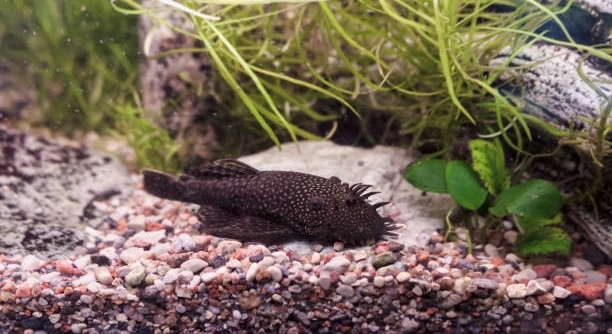
Adding snails to a pleco aquarium can offer a unique dynamic to your aquatic environment. Snails help with tank cleaning and may even complement your pleco’s needs. However, understanding their compatibility and role is important to ensure a healthy setup.
Adding snails to a pleco aquarium can be beneficial, but it’s essential to consider factors such as tank size, snail species, and potential competition for food. Some snails can coexist peacefully, while others may cause issues with your pleco.
Choosing the right type of snail for your pleco tank is key. Learning how snails interact with plecos will help create a harmonious environment for both.
Benefits of Adding Snails to Your Pleco Aquarium
Adding snails can be a great way to improve your aquarium’s cleanliness. Snails are natural scavengers, helping to reduce leftover food and algae in the tank. Plecos, while excellent at cleaning glass, can sometimes miss areas like decorations or substrate. Snails can take care of these spots, preventing a buildup of waste. Additionally, snails may add an interesting visual element to your aquarium. They come in various shapes and colors, adding diversity to the environment. Keep in mind that snails are low-maintenance and don’t require special care, making them a practical addition to your tank.
Snails can also help balance the ecosystem of your aquarium. By cleaning surfaces, they help maintain water quality, which is crucial for the health of all the inhabitants in your tank. They don’t require much space and are easy to care for, making them a simple solution to certain cleaning challenges.
While snails can be a helpful addition, it’s essential to be mindful of their potential for overpopulation. Some species breed quickly, and without proper management, they could outgrow the tank. Keeping their numbers in check is important. Additionally, some snails might become a food source for plecos, leading to potential issues. It’s crucial to consider these factors before introducing snails.
Choosing the Right Snail Species
Not all snails are suitable for a pleco tank. Some snails may have sharp shells that could harm your pleco or grow too large for the space. Other species might reproduce rapidly, causing an imbalance. It’s essential to research the types of snails that will thrive in the same environment as your plecos.
The most popular snails for pleco aquariums are species like the Nerite snail and the Mystery snail. Nerite snails are excellent algae eaters and are non-invasive, making them a safe choice. Mystery snails, while a bit larger, can also help with algae control and eat leftover food. These snails are slow breeders, reducing the risk of overpopulation. However, they do need a tank with plenty of hiding spots and a stable environment.
When choosing snails, it’s essential to think about the size of your tank. In larger tanks, multiple snails may coexist without any issues. However, smaller tanks may become overcrowded quickly if you don’t monitor the snail population. Always check the compatibility of the snails with the plecos, as some species might be more aggressive or prone to competition for food. Keeping the right balance between snails and plecos is the key to a healthy aquarium.
Potential Challenges with Snails in Your Pleco Aquarium
Snails can create problems if not properly managed in a pleco tank. Overpopulation is one of the biggest concerns, especially with certain snail species that reproduce quickly. If left unchecked, snails can become a nuisance and stress the entire aquarium ecosystem.
Snails, while generally peaceful, can compete for food with plecos. If there aren’t enough resources in the tank, both snails and plecos may struggle to get enough to eat. Some snails may also scavenge on plants, potentially damaging live greenery. It’s important to monitor the health and activity of both snails and plecos to ensure they aren’t causing issues for each other.
Additionally, some species of snails may be sensitive to water conditions, which can affect their ability to thrive. Snails need stable water parameters, such as proper pH levels, hardness, and temperature. Without careful monitoring, the tank could experience shifts in water quality that affect both the snails and plecos. Regular maintenance is key to preventing these issues.
How Snails Affect Water Quality
Snails contribute to water quality by consuming leftover food and algae. This helps reduce excess organic matter, preventing a buildup of waste that could cause poor water conditions. By eating the debris, snails help maintain a cleaner tank and can reduce the need for frequent water changes.
However, too many snails in a tank can lead to water quality problems. If they overpopulate, their waste can accumulate faster than the filter can handle, potentially leading to ammonia spikes. In such cases, water quality may decrease, and both the pleco and snails could be at risk. It’s crucial to maintain a balanced snail population and keep track of the water parameters regularly.
Regular water changes and proper filtration are important to ensure water quality stays optimal. Snails, when kept in reasonable numbers, can support the tank’s ecosystem. However, too many can overburden the filtration system, leading to cloudy water and an unhealthy environment for your pleco.
Snails and Plecos: Food Competition
Snails and plecos may compete for food in your aquarium. Both are scavengers, but plecos generally prefer algae, while snails eat a broader range of foods. This overlap can cause problems if there isn’t enough food for both, leading to undernutrition.
If you’re adding snails, it’s essential to provide enough food for both species. Plecos are excellent at cleaning algae, but snails might end up eating leftover pellets or plants. In larger tanks, the food distribution can be more manageable, but in smaller tanks, you might need to ensure both snails and plecos are properly fed.
If the competition for food is high, it could lead to malnutrition, especially for younger plecos that need a consistent food source. It’s helpful to distribute food throughout the tank so that both the plecos and snails can access it without fighting for resources.
Snails as Natural Algae Eaters
Snails can be valuable algae eaters in your pleco tank. They help keep surfaces clean by consuming algae that may be overlooked by the plecos. This can help reduce the buildup of green or brown algae on tank walls, plants, and decorations.
However, the algae-eating ability of snails may depend on their species. Nerite snails are especially effective at cleaning algae, while others may not be as efficient. Still, when combined with the pleco’s algae-eating habits, snails can further enhance the overall cleanliness of your aquarium. Just be sure to monitor their feeding habits.
Snail Growth and Size Considerations
Snail size can impact the overall balance of your tank. Some snails grow large, and if they do, they can take up significant space and potentially disrupt the pleco’s environment. Smaller snails are often more suitable for a smaller tank setup, while larger species may be better suited for larger aquariums.
FAQ
Can snails and plecos live together peacefully?
Yes, snails and plecos can usually live together without major issues. Plecos are bottom-dwelling fish, and snails tend to move around the tank slowly, which means they don’t usually get in each other’s way. However, it’s essential to monitor both species, as food competition or overpopulation could cause problems. Snails like Nerite snails or Mystery snails are generally peaceful and compatible with plecos.
Do snails reproduce quickly in aquariums?
Yes, certain types of snails, such as Mystery snails, can reproduce quickly. They often lay eggs on surfaces, and the eggs hatch within a few weeks. If you’re not careful, you could soon have an overpopulation of snails in your tank. To prevent this, only add a few snails to your aquarium and keep an eye on the population.
How many snails should I add to my pleco tank?
The number of snails you add depends on the size of your tank. In smaller tanks, adding one or two snails is usually enough to help with cleaning. In larger tanks, you can add more, but be cautious about their breeding. A general guideline is to add one or two snails per 10 gallons of water, but this can vary depending on your tank’s needs.
Will snails eat my plants?
Some species of snails may eat plants, while others are more focused on cleaning algae and detritus. Snails like Nerite snails typically don’t damage plants. However, larger or more aggressive snails may nibble on your aquarium plants. If you want to protect your plants, choose snails known for their algae-eating habits and keep the number of snails in check.
Do snails eat algae or just leftover food?
Most snails are excellent algae eaters and will consume algae growing on your tank’s glass, rocks, and decorations. They also eat leftover food and detritus that may accumulate in the substrate. Snails are beneficial for helping to keep your tank clean, as they reduce the buildup of excess food and algae. However, they should not be solely relied on to handle all algae growth, as plecos are also excellent at cleaning algae.
Do snails need special care?
Generally, snails don’t require special care beyond maintaining stable water conditions. They thrive in clean tanks with proper filtration and stable water parameters like pH, hardness, and temperature. Regular water changes will help ensure their health. Keep an eye on your snail population to prevent overpopulation and maintain a balanced environment for both snails and plecos.
Can snails be a food source for plecos?
Yes, some plecos might eat snails, especially if they are small or slow-moving. If your pleco feels that food is scarce, it may resort to eating snails. However, not all plecos will eat snails. Species like the Common Pleco may show little interest in them, while others, like some smaller or more aggressive plecos, might target snails as a food source. Keep an eye on your pleco’s behavior to see if it’s eating snails.
Do snails require a certain type of food?
Snails will feed on algae, detritus, and leftover food in the tank, but providing them with supplemental food can help ensure they stay healthy. Algae wafers, blanched vegetables like zucchini, and even shrimp pellets can be offered as additional food for snails. Make sure not to overfeed, as excess food can lead to water quality issues.
How do I prevent snail overpopulation in my tank?
The best way to prevent snail overpopulation is to control the number of snails you introduce into the tank. If you notice snail eggs appearing on tank surfaces, you can remove them manually. Additionally, controlling food and keeping the population in check through regular maintenance will prevent overpopulation. You may also want to avoid adding snails that reproduce rapidly unless you’re ready to manage their numbers.
Do snails help with tank maintenance?
Yes, snails play a role in tank maintenance by cleaning surfaces. They consume algae and leftover food, which helps prevent debris buildup and reduces the need for frequent tank cleaning. However, it’s important to remember that snails should not be relied on entirely for tank maintenance. Regular water changes and filter maintenance are still essential for maintaining a healthy environment.
Can snails be harmful to plecos?
In most cases, snails are not harmful to plecos. However, in certain situations, snails can outcompete plecos for food or become a source of stress if their population grows uncontrollably. Snails may also irritate plecos if they invade their hiding spots or territory. Keeping the snail population controlled and ensuring enough food for both species will help avoid any issues.
Do snails need a specific type of substrate?
Snails generally do well with any type of substrate, but they will appreciate having a smooth, non-abrasive surface to move across. Soft sand or fine gravel is ideal. Avoid sharp, jagged rocks that might damage their soft bodies or shells. It’s also important to keep the substrate clean and free of excess organic matter that could cause water quality issues.
What should I do if my snails are dying?
If your snails are dying, it’s important to check the water quality immediately. Poor water parameters, such as improper pH, hardness, or temperature, can be harmful to snails. Ensure your tank has proper filtration and is maintained regularly. Also, check for signs of disease or contamination and remove any dead snails promptly to prevent water contamination.
Final Thoughts
Adding snails to your pleco aquarium can be a great way to maintain cleanliness and enhance the visual appeal of your tank. Snails naturally help with algae control and clean up leftover food, reducing the amount of waste in the tank. If chosen carefully, they can complement the plecos’ cleaning efforts, offering a balanced approach to keeping the environment clean. When choosing snails, make sure to select species that are compatible with plecos and avoid those that reproduce too quickly. Some snails, like Nerite or Mystery snails, are especially good at cleaning algae and will help maintain a healthy environment.
However, there are a few things to consider before adding snails. While they can be beneficial, they may also compete with your plecos for food. Snails and plecos are both scavengers, so if your tank is small or there isn’t enough food, both species could struggle. Overpopulation is another concern, as certain species of snails reproduce quickly. Regular monitoring of the snail population is necessary to avoid overcrowding, which could stress the plecos and disrupt the balance of the tank. Additionally, snails need stable water parameters to thrive, so be prepared to maintain good water quality with regular checks.
Ultimately, snails can be a useful and low-maintenance addition to your pleco aquarium if managed properly. The key is to ensure that their numbers are controlled and that they don’t outcompete your plecos for resources. With the right balance, snails and plecos can coexist peacefully, benefiting each other and maintaining a clean, healthy aquarium. By choosing the right species and keeping an eye on the tank’s ecosystem, you can create a thriving environment for both.

Hello,
If you enjoy the content that we create, please consider saying a "Thank You!" by leaving a tip.
Every little bit helps us continue crafting quality advice that supports the health, happiness, and well-being of pets around the world, for pets of all shapes, sizes, and species.
We really appreciate the kindness and support that you show us!