
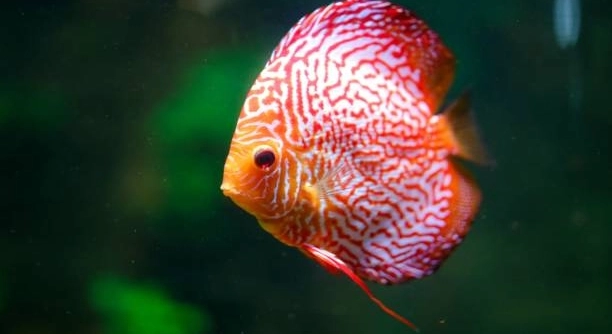
Discus fish are popular in aquariums for their bright colors and graceful movements. Many keepers want to provide the best environment possible for these delicate fish. One key aspect of care involves managing their lighting conditions correctly.
Discus fish benefit from a consistent light-dark cycle that mimics natural day and night rhythms. Proper lighting helps regulate their biological processes, supports healthy behavior, and reduces stress. A stable cycle contributes positively to their overall health and well-being.
Understanding the role of light in discus care can improve their longevity and happiness. This article explores why a light-dark cycle matters and how to implement it effectively.
Why a Light-Dark Cycle Matters for Discus
Discus fish come from environments with natural cycles of daylight and darkness. These cycles influence their feeding, activity, and rest. Without a proper light-dark rhythm, discus may become stressed or show irregular behaviors. Stress weakens their immune systems, making them more vulnerable to disease. Maintaining a consistent light-dark cycle helps discus adjust to their surroundings and keeps their internal clocks working well. Aquariums with irregular lighting can confuse the fish, leading to poor health. Mimicking natural conditions supports their natural habits, such as feeding and resting patterns. This stability is important for breeding, too, since light influences reproductive behavior. Using timers on aquarium lights can create a predictable schedule. Around 10 to 12 hours of light followed by 12 to 14 hours of darkness closely matches their native habitat. This balance allows discus to thrive in captivity, maintaining both their vibrant colors and calm demeanor.
A proper light schedule reduces stress and encourages natural behaviors, improving the overall health of discus fish. It also helps prevent unwanted aggression.
Setting a regular light-dark cycle is an easy step that significantly enhances discus care. It allows the fish to rest fully during dark hours, which aids in digestion and immune function. Too much light can overstimulate discus, making them restless or aggressive. Conversely, too little light can cause inactivity and loss of color. Consistent lighting supports feeding routines and helps keep the tank’s ecosystem stable. In turn, this benefits not only the discus but other tank inhabitants. Small adjustments in light timing can create a peaceful environment. Observing how discus react to changes helps tailor the cycle for best results. Ultimately, a steady light-dark cycle promotes healthier, more vibrant discus that display their full beauty. It is a simple yet essential part of responsible aquarium care.
How to Implement a Light-Dark Cycle
Creating a light-dark cycle for discus involves using a reliable timer. A timer ensures lights turn on and off at the same time daily without guesswork. Consistency is key to avoiding sudden changes that may stress fish.
Start by setting the aquarium lights to 10–12 hours of daylight, followed by 12–14 hours of darkness. This schedule closely resembles the discus’ natural environment and supports their biological rhythms.
To begin, choose a timer that fits your lighting setup, whether it is LED or fluorescent. Program it for the desired hours and check regularly to ensure it functions properly. Avoid turning lights on or off manually. Gradual changes can also be introduced by slowly adjusting the timing over a week or two to help discus adapt. Dark periods should be quiet and free from disturbances to allow proper rest. Dim ambient lighting, such as a moonlight feature, can be used sparingly to observe fish at night without disrupting their cycle. Keeping the environment stable will help discus feel secure and maintain their natural behaviors.
Following these steps creates a healthy light environment that supports discus’ well-being and makes aquarium maintenance easier.
Adjusting Light Intensity
Light intensity affects discus comfort and behavior. Too bright lighting can cause stress, while too dim light may reduce activity and color vibrancy. Finding the right balance is important for their well-being.
Many discus keepers use adjustable LED lights to control brightness. Lower intensities mimic shaded waters where discus naturally live. Bright overhead lights can be harsh and trigger hiding or erratic swimming. Soft, diffused lighting creates a calm atmosphere and helps fish display their natural colors. It also encourages feeding since discus feel more secure. Experimenting with light levels while observing discus reactions can help find the ideal setting. Avoid sudden changes in intensity, which can startle fish and disrupt their cycle. A gradual increase or decrease is best.
Positioning the light correctly is also essential. Lights should cover the whole tank evenly without creating glare or deep shadows. Reflective surfaces inside the aquarium can soften lighting. Combining this with a proper light-dark cycle supports overall fish health and behavior.
Effects of Lighting on Breeding
Lighting plays a significant role in discus breeding success. Consistent light cycles encourage spawning behavior and help regulate hormone production. Sudden changes or irregular lighting may inhibit breeding or cause stress.
Stable lighting conditions allow discus pairs to feel secure and confident in their environment. Natural-like day lengths and light intensities simulate seasonal changes, which can trigger reproductive cycles. Keeping lights on a timer prevents surprises that might disrupt courtship or egg care. During breeding periods, some keepers slightly increase daylight hours to mimic longer days in nature. This supports egg development and fry growth. Careful attention to light consistency can improve hatch rates and parental care behaviors. Avoiding intense light during egg incubation protects delicate eggs from damage. Proper lighting creates a supportive environment for discus to reproduce successfully and maintain healthy offspring.
Common Mistakes with Aquarium Lighting
Many discus keepers leave lights on too long, which can stress the fish and encourage algae growth. Overly bright lights without shaded areas also cause discomfort.
Another mistake is changing light schedules frequently. Inconsistency can confuse discus and disrupt their natural rhythms, leading to poor health.
Choosing the Right Light Source
LED lights are popular for discus tanks because they are energy-efficient and produce less heat. They also offer adjustable intensity and color options to better mimic natural conditions. Fluorescent lights work well but usually lack flexibility. It is important to select lights that provide a full spectrum to support both fish and plant health. Avoid cheap bulbs that may flicker or change color over time. Quality lighting improves the tank’s appearance and supports discus well-being.
Signs of Poor Lighting
Discus showing dull colors or hiding often indicate poor lighting. These signs mean the lighting may be too bright or inconsistent.
FAQ
How long should the light be on for discus each day?
Discus typically do well with 10 to 12 hours of light daily. This mimics their natural habitat, providing enough daylight for activity while allowing sufficient darkness for rest. Using a timer ensures consistency and reduces the risk of overexposure or stress caused by irregular lighting.
Can discus survive without a strict light-dark cycle?
While discus can survive without a strict cycle, their health and behavior may suffer. Irregular lighting can cause stress, weaken immune response, and disrupt feeding and resting habits. Maintaining a regular light-dark cycle supports their natural rhythms and overall well-being.
What type of lighting is best for discus tanks?
LED lighting is usually the best option. It offers energy efficiency, low heat emission, and adjustable intensity, which helps replicate the soft, shaded environments discus prefer. Full-spectrum LEDs support both fish health and any live plants in the aquarium.
Should I provide any light during the dark period?
It’s best to keep the tank dark during the night to allow discus to rest properly. However, very dim “moonlight” LED features can be used if you want to observe fish without disturbing their cycle. Avoid bright lights or sudden changes during this time.
How do I know if the lighting is stressing my discus?
Signs of stress from lighting include hiding, loss of color, erratic swimming, and reduced appetite. If you notice these behaviors, try lowering light intensity or shortening the light period. Gradually adjust lighting rather than making sudden changes.
Is natural sunlight good for discus tanks?
Direct sunlight is not recommended. It can cause temperature fluctuations and excessive algae growth. Controlled artificial lighting is better to provide stable, consistent conditions suited to discus needs.
Can too little light harm discus?
Yes, insufficient light can lead to dull colors, inactivity, and weakened immune systems. It may also affect plants in the tank, reducing oxygen levels and overall water quality, indirectly impacting discus health.
How often should I change or maintain aquarium lights?
Replace bulbs or LED fixtures according to the manufacturer’s recommendations, usually every 1 to 2 years. Regular maintenance ensures consistent light output and prevents flickering or color shifts that could affect fish behavior.
Does light affect discus breeding?
Yes, consistent light cycles encourage spawning by regulating hormones and simulating natural seasonal changes. Sudden or irregular lighting may prevent breeding or cause stress during sensitive periods.
Can I use timers with any type of aquarium light?
Most LED and fluorescent aquarium lights are compatible with timers. Timers help create consistent daily cycles, reducing stress on discus and making maintenance easier.
Are there any benefits to dimming lights gradually?
Gradual dimming mimics natural dawn and dusk, helping discus adjust calmly to light changes. Sudden switching on or off can startle fish, so dimming features promote a peaceful environment.
What’s the ideal light intensity for discus?
Moderate, diffused light is ideal. Bright, harsh lighting causes stress, while very low light reduces activity and color vibrancy. Adjustable LED lights make it easier to find the right balance.
Can lighting impact algae growth in discus tanks?
Yes, longer or brighter lighting encourages algae growth. Keeping lights on a strict schedule and maintaining moderate intensity helps control algae while supporting fish health.
Should I adjust lighting for different seasons?
Some keepers slightly increase daylight hours in breeding seasons to mimic nature. However, stability is more important than seasonal shifts, so changes should be gradual and minimal.
What if my discus tank has live plants?
Live plants require appropriate light for photosynthesis. Full-spectrum LED lights support both plants and discus, but balance is key to avoid stressing the fish or encouraging algae.
Can I use colored lights in a discus tank?
Colored lights may enhance appearance but can confuse fish if too intense or inconsistent. Natural white or soft daylight LEDs are preferred for maintaining healthy behavior and natural color display.
How do I prevent sudden light changes from disturbing discus?
Use timers and dimmers to control gradual light transitions. Avoid turning lights on or off manually, especially abruptly. Consistency and slow changes reduce stress.
Is it necessary to have a dark period if the room is not completely dark?
A dark period free from bright or direct light is important. Even low ambient room light can interfere with discus rest, so using aquarium covers or blackout curtains can help maintain darkness.
Can discus adapt to different lighting schedules?
They can adapt somewhat but prefer stable, predictable cycles. Frequent or sudden changes can cause stress and negatively affect health.
What should I do if I need to clean the tank during the dark period?
Try to schedule cleaning during daylight hours. If cleaning at night is necessary, use a dim red light or flashlight with low intensity to minimize disturbance. Sudden bright light can disrupt their rest.
How does lighting affect discus color?
Proper lighting enhances natural coloration by reducing stress and promoting normal behavior. Insufficient or harsh lighting can cause colors to fade or appear dull.
Are there any special lighting needs for young discus?
Young discus benefit from the same light-dark cycles but may be more sensitive to intensity. Soft, gentle lighting encourages healthy development without overstimulation.
How can I monitor if my lighting setup is working well?
Observe discus behavior, color, and activity levels. Healthy fish with vibrant colors, normal feeding, and calm resting patterns indicate suitable lighting conditions.
Is artificial lighting better than natural for discus tanks?
Artificial lighting provides control and stability, essential for aquarium environments. Natural sunlight can vary too much and often causes issues with temperature and algae.
Can lighting influence discus aggression?
Bright or inconsistent lighting can increase stress-related aggression. Stable, moderate lighting helps maintain peaceful interactions among tank mates.
Final Thoughts
Maintaining a proper light-dark cycle for discus fish is an important part of keeping them healthy and comfortable. Discus are sensitive to their environment, and consistent lighting helps regulate their natural rhythms. Providing about 10 to 12 hours of light each day, followed by a period of darkness, creates a balance that supports normal behaviors such as feeding, resting, and breeding. This cycle also reduces stress, which can affect the immune system and overall well-being. Using timers to control the lighting ensures stability, which is key to preventing sudden changes that can startle or confuse the fish.
Choosing the right lighting intensity and type is equally important. Soft, diffused lighting that mimics their natural habitat creates a calm environment where discus can display their colors fully and swim naturally. LED lights are generally the best choice because they offer adjustable brightness and produce little heat, which helps maintain stable water conditions. Bright or harsh lighting should be avoided as it can cause stress and hiding behavior. Additionally, the light should be evenly spread throughout the tank to prevent shadows and glare, which can also make discus uncomfortable. Regular maintenance of lighting equipment is necessary to keep the environment consistent over time.
In summary, a well-planned light-dark cycle combined with appropriate lighting intensity greatly benefits discus fish health and behavior. While discus can survive with less controlled lighting, providing a stable and natural-like environment helps them thrive. It also supports breeding efforts by regulating hormones and creating the right cues for spawning. Observing your discus closely will help you identify if lighting conditions need adjustment. With proper care and attention to lighting, discus fish can remain active, vibrant, and healthy in a home aquarium setting.

Hello,
If you enjoy the content that we create, please consider saying a "Thank You!" by leaving a tip.
Every little bit helps us continue crafting quality advice that supports the health, happiness, and well-being of pets around the world, for pets of all shapes, sizes, and species.
We really appreciate the kindness and support that you show us!