
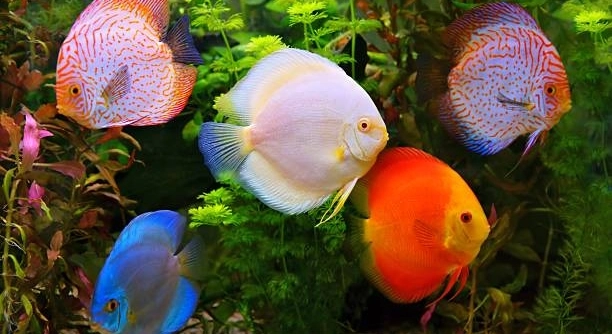
Have you ever found yourself wondering if your discus fish need something a little different in their diet after the sun goes down? Their peaceful nighttime routines might have you thinking about their food too.
Discus fish do not require different food at night, as their digestive systems and feeding patterns are not influenced by the time of day. Maintaining a consistent and balanced diet throughout the day is most beneficial.
Feeding habits may shift based on tank conditions, activity levels, and lighting, making it important to understand how time impacts their behavior.
Why Time of Day Doesn’t Change Discus Feeding Needs
Discus fish thrive on consistency, especially when it comes to feeding. Their digestive systems function the same during day and night, which means there is no biological need to switch up their food once the lights go out. These fish are known for their calm behavior and respond well to stable routines. Offering a balanced diet with high-quality flakes, pellets, or frozen food during the daytime is usually enough to meet their nutritional needs. Feeding at night can sometimes go unnoticed if the tank is dark, leading to wasted food and water issues. Instead of changing food types at night, it’s better to focus on providing meals at regular intervals when the fish are active and alert. Most discus fish will feed best in the morning or early evening, when there’s enough light for them to locate the food easily. This approach supports their health and keeps the tank cleaner.
Nighttime feeding can also lead to uneaten food settling at the bottom, disrupting water quality and stressing your fish.
If your discus seem restless at night, it’s usually not linked to hunger. Stress, lighting, or tank mates may be the real reason. Watching how they behave during their normal routine can help you make better care decisions overall.
When Feeding Habits Might Shift
Some discus may become more active in low light, especially in quieter tanks. This doesn’t mean they need special food.
Discus are naturally shy fish, and in busy homes or brightly lit tanks, they may wait until it’s quieter to feed. If you notice them eating more after sunset, consider adjusting your feeding times rather than the food itself. Keep offering their regular diet, but aim to feed them just before turning off the lights. This way, they’re comfortable and can eat without stress. Just be sure any food is eaten within a few minutes to avoid clouding the tank. Feeding more than twice a day can be helpful for young or growing discus, but consistency is still key. Whether it’s flakes in the morning or frozen bloodworms in the evening, what matters most is that the food is nutritious, varied, and served in small amounts. By observing your discus and sticking to a steady schedule, you’ll support their health without overcomplicating their routine.
What to Consider Before Feeding at Night
Feeding discus at night isn’t harmful, but it often leads to uneaten food. Darkness can make it harder for fish to see, which means they may miss the food or ignore it altogether. This can cause issues with tank cleanliness over time.
If your discus are kept in a low-traffic room and the lights stay on into the evening, a late feeding might be fine. Just make sure they’re active and actually eating. Watch how much food sinks or remains untouched, as that can raise ammonia levels. Leftover food can also attract unwanted pests like planaria or snails. A better approach is to feed them earlier when they are most alert. Consistent feeding times also help reduce stress and support healthy digestion. If you do choose to feed late, use small portions and monitor their behavior closely to prevent problems.
Sometimes changes in feeding behavior aren’t about the time but the environment. Check water temperature, tank mates, and lighting if they ignore food. Discus do well in warm, calm water with a steady routine. A sudden change in appetite might point to stress or illness rather than a dislike for daytime feeding. Keeping the tank quiet and lights dimmed during the evening can help settle them, but the food should stay the same.
Best Types of Food to Offer
Stick to high-quality discus food that’s rich in protein and easy to digest. Flakes, pellets, and frozen options like bloodworms or brine shrimp are all good choices. Variety helps cover their nutritional needs.
Pellets designed for discus are great for daily feeding because they sink slowly and are easy for them to eat. Flakes can also be used, but they tend to float and may not reach all the fish. Frozen food like bloodworms and beef heart are packed with protein and often encourage better appetite. Just avoid overfeeding, as these options can dirty the tank fast. Feed in small amounts and remove any leftovers. If you’re feeding more than once a day, switch between types to offer variety. This keeps them interested and gives them a more complete diet. Most importantly, any food you choose should be clean, fresh, and suited for discus digestion.
Feeding Schedule Tips
Feeding your discus twice a day works well for most setups. Morning and early evening are ideal times when the fish are most active. Stick to small portions and observe their behavior to make sure they’re eating everything.
Avoid feeding right before bedtime if the tank goes dark quickly. Uneaten food can sink and decay overnight, leading to poor water conditions. Try to space out feedings and keep the timing consistent.
Signs Your Discus Are Eating Well
Healthy discus will swim toward the food, show interest, and eat steadily without hesitation. Their color stays bright, and they remain active throughout the day. If they avoid food, check for stress, illness, or sudden changes in the tank. Sudden loss of appetite is a sign something needs attention.
When to Adjust Feeding Times
If your discus seem more relaxed in the evening, you can shift feeding slightly later. Just ensure they’re still alert and eating well.
FAQ
Can discus fish eat in the dark?
Discus fish can eat in the dark, but it’s not ideal. These fish rely on sight to find their food, and low light makes it harder for them to locate and eat it. If the tank is too dark, the food may sink before they notice it, and that leads to waste. Feeding in well-lit conditions helps ensure all fish get their share. If you feed at night, keep the lights on during and shortly after feeding to give them time to finish.
Is it okay to feed discus fish just once a day?
Yes, adult discus can be fed once a day, especially if they are already full-grown and healthy. However, feeding them twice a day is usually better for maintaining energy and stable growth. Young discus, on the other hand, need more frequent meals—usually three to five times daily. No matter how often you feed, it’s important to avoid overfeeding and to always remove uneaten food. Smaller meals more often are better than one large feeding.
Should I change the food type for nighttime feedings?
There is no need to change food types at night. Discus don’t digest food differently at night, so their nutritional needs remain the same. It’s better to keep their diet consistent and focus more on portion control and timing. Introducing a different food at night can confuse their routine and even lead to digestion issues if the food is harder to process. Stick to high-quality, protein-rich food that suits their size and age, regardless of the hour.
What time of day is best for feeding discus fish?
Morning and early evening are usually the best times. These are natural periods of activity for discus, and they’re more likely to eat quickly and cleanly. If your tank lights follow a schedule, try feeding them soon after the lights turn on and again a few hours before they turn off. This timing helps mimic a natural rhythm and keeps the fish relaxed and healthy.
Why do my discus ignore food at night?
They may ignore food at night simply because they’re less active or can’t see it well. Discus prefer calm, low-stress environments, and if the room is quiet and the lights are off, they might settle into rest mode. In this state, they won’t respond to food. It’s best to feed them while they’re alert, which usually means earlier in the day or while the tank is still lit.
Can feeding at night cause water quality problems?
Yes, feeding late—especially in the dark—can lead to food being missed and left to rot at the bottom of the tank. This can raise ammonia levels, lower oxygen, and disrupt the balance of the tank. Uneaten food also encourages pest growth and can stress your discus. Feeding earlier and keeping meals small helps avoid these issues and makes it easier to keep the water clean.
Is it better to skip feeding than feed late at night?
If you miss your regular feeding time, it’s usually better to skip it rather than feed late in darkness. One missed meal won’t hurt healthy discus. Over time, a consistent feeding routine matters more than squeezing in every single meal. Stick to your usual schedule as much as possible and aim for balance rather than perfection.
Do discus fish need food before bed?
No, discus don’t need a meal before bedtime. They don’t burn calories the same way mammals do, so they don’t require an energy boost before resting. As long as they’ve been fed well during the day, they’ll do fine overnight without additional food. In fact, feeding too close to lights-out may do more harm than good.
Final Thoughts
Feeding discus fish can feel a bit complicated at first, but once you understand their needs, it becomes much easier. These fish do best with routine and consistency. They don’t need special food at night, and their digestive systems work the same throughout the day. What matters most is choosing high-quality food, feeding at regular times, and making sure nothing is left uneaten. Feeding late in the evening or in the dark often leads to waste, which can affect water quality. This can create extra cleaning work and cause stress for the fish. Instead, focus on feeding during the day or early evening, when they’re naturally more active and can see their food clearly.
The idea of changing food based on the time of day isn’t necessary with discus. Their bodies don’t shift between day and night modes the way some other animals do. What they really need is a clean, calm environment and a stable diet. If your discus act hungry at night, it may be because they didn’t get enough earlier, or the tank was too stressful during regular feeding times. In this case, the solution is to review your feeding schedule, tank setup, and how much attention they’re getting during meals. Sometimes, simply dimming the lights and feeding when the room is quiet helps. But the food itself doesn’t need to change.
Consistency is what keeps discus fish healthy and thriving. Feed them once or twice a day with good food they recognize, and watch how they behave. If they’re bright, alert, and eat quickly, you’re doing well. If they ignore food or seem stressed, it may be time to look at tank conditions, lighting, or even water quality. Over time, you’ll learn your fish’s patterns and preferences. You don’t need to overthink it or make big changes based on the time of day. As long as the tank is clean, the food is fresh, and the feeding times stay regular, your discus will be just fine. Keeping it simple often works best.

Hello,
If you enjoy the content that we create, please consider saying a "Thank You!" by leaving a tip.
Every little bit helps us continue crafting quality advice that supports the health, happiness, and well-being of pets around the world, for pets of all shapes, sizes, and species.
We really appreciate the kindness and support that you show us!