
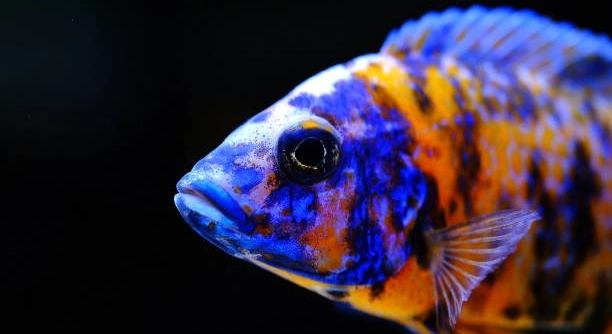
African cichlids are popular freshwater fish known for their vibrant colors and lively behavior. Many aquarists enjoy keeping them in home aquariums and often wonder about the best group sizes. Choosing the right number can affect the fish’s well-being and tank dynamics.
Keeping African cichlids in odd numbers is generally recommended to reduce aggression and territorial disputes. Odd groupings help balance social interactions by preventing tie situations among dominant fish, promoting a more stable and peaceful environment within the aquarium.
Understanding the social behavior of these fish can improve their care and create a more harmonious tank. This article will explore why odd numbers matter and how they impact African cichlid communities.
Why Odd Numbers Help Reduce Aggression
African cichlids are known for their territorial nature, especially among males. When kept in even numbers, fights can escalate because dominant fish end up in stalemates, with no clear leader emerging. Odd numbers allow one fish to take the dominant role more easily, while the others settle into lower ranks without constant conflict. This creates a social hierarchy that reduces the intensity of fights. Additionally, with odd numbers, it’s easier for the fish to establish territories without overcrowding. Overcrowding can lead to stress and health issues, so keeping the right number is important for their well-being. A peaceful tank is not only better for the fish but also more enjoyable to watch.
Maintaining odd numbers can lead to a more stable community and less stress overall.
This approach is particularly helpful in mixed species tanks or when the aquarium size limits the number of fish you can keep. Odd numbers give cichlids enough space and social structure, which supports their natural behavior and helps prevent aggressive outbreaks.
Choosing the Right Number for Your Tank
The size of your aquarium plays a key role in deciding how many African cichlids you should keep. Smaller tanks should have fewer fish to avoid overcrowding and reduce aggression. In a 30-gallon tank, keeping five or seven cichlids is ideal. Larger tanks allow for bigger odd-numbered groups, like nine or eleven, giving the fish more room to establish territories and interact naturally.
In addition to numbers, it’s important to provide hiding places and decorations that break up sight lines. This prevents fish from constantly seeing each other and reduces territorial stress. Rocks, caves, and plants can help create boundaries where fish can retreat if needed. Monitoring fish behavior regularly ensures that aggression stays at a manageable level and helps you adjust the number or environment accordingly. Choosing the right number and setup promotes a healthy and balanced tank environment for African cichlids.
Impact of Odd Numbers on Tank Harmony
Keeping African cichlids in odd numbers helps keep the tank more peaceful. When there is a clear social order, fish spend less time fighting and more time swimming calmly.
The social structure in odd-numbered groups reduces tie situations where fish compete endlessly for dominance. This lowers stress and aggression among tank mates. Fish have distinct roles, and the odd number prevents equal rivalry between dominant males. This clearer hierarchy creates balance and harmony in the tank, making it easier for all fish to coexist. Aggression can still happen, but it is less frequent and intense.
Providing enough space and hiding spots alongside odd numbers further supports peace in the aquarium. When fish feel secure in their territories, they behave less aggressively. Odd numbers combined with a well-structured environment make for a calmer, healthier tank overall.
Adjusting Numbers Based on Behavior
Observation is key to maintaining the right number of African cichlids. If aggression spikes, it may be necessary to remove or add fish to restore balance. Sometimes an odd number alone is not enough if the tank is too small or lacks sufficient hiding places.
Changing numbers should be done gradually to avoid stressing the fish. Adding or removing one fish at a time helps maintain stability. Pay attention to how the fish interact daily. Signs like frequent chasing, fin nipping, or constant hiding indicate problems.
Adjusting numbers based on behavior ensures that the social dynamics stay healthy. Every tank is different, and fine-tuning the group size improves long-term happiness for your cichlids. Consistent care and monitoring are essential to keep your aquarium peaceful.
Benefits Beyond Aggression Control
Odd numbers do more than just reduce fights. They encourage natural social behaviors among African cichlids. This makes the tank more interesting to watch.
When fish establish clear roles, they explore their environment confidently. This behavior leads to healthier, happier fish overall.
Common Mistakes to Avoid
Overcrowding is a frequent mistake when trying to keep odd numbers. Too many fish in a small tank leads to stress and poor water quality. Keeping fewer fish with enough space is always better for their health.
When Even Numbers Work
In some cases, even numbers can work if the species are very peaceful or if the tank is large with plenty of hiding spots. But this usually requires careful monitoring to prevent aggression from developing.
Signs You Need to Change Numbers
If constant fighting or stress signs appear, it’s time to reconsider the group size or tank setup. Making adjustments early helps keep your cichlids safe and content.
FAQ
Why do African cichlids prefer odd numbers?
African cichlids are territorial fish that establish a clear social hierarchy. When kept in odd numbers, it reduces the chance of tie conflicts among dominant males. This helps prevent continuous fighting and promotes a more stable environment, allowing the fish to live more peacefully together.
Can I keep African cichlids in even numbers?
You can, but it often increases the chance of aggression. Even numbers can cause deadlocks in dominance fights since fish may struggle to establish a clear leader. This can result in more stress, injuries, and disrupted tank harmony, especially in smaller tanks without enough hiding spaces.
How many African cichlids should I keep in a 30-gallon tank?
A good rule is to keep five or seven African cichlids in a 30-gallon tank. This number is large enough to create a natural social order while avoiding overcrowding. Overcrowding leads to poor water quality and heightened aggression, which can harm the fish.
What tank size is suitable for keeping odd numbers of cichlids?
The tank size should accommodate the number of fish comfortably, allowing each fish to claim its territory. For odd numbers like five to seven fish, a minimum of 30 gallons is recommended. Larger tanks allow for bigger groups such as nine or eleven, which supports better social structure and space.
Does tank decoration affect aggression among cichlids?
Yes, decorations like rocks, caves, and plants help break sight lines and create territories. This reduces constant direct confrontation and helps fish feel secure. A well-decorated tank complements odd-numbered groups by lowering stress and providing places to retreat when needed.
How can I tell if my cichlids are too aggressive?
Signs of excessive aggression include frequent chasing, fin damage, hiding, and stressed behavior like rapid breathing or loss of appetite. If aggression is constant, it may mean the tank is overcrowded or the social structure is not balanced. Immediate action may be necessary to protect the fish.
What should I do if aggression increases despite keeping odd numbers?
Check the tank size and environment. Adding more hiding places or increasing the tank size may help. If aggression continues, consider removing some fish or adjusting the group size. Gradual changes are important to avoid stressing the remaining fish.
Is it necessary to keep only males or females in odd numbers?
African cichlids are often more aggressive among males, so managing the number of males is crucial. Keeping mostly females with a smaller number of males can reduce aggression. However, even with mostly females, odd numbers still help maintain social balance.
How often should I monitor my cichlids’ behavior?
Daily observation is ideal, especially after introducing new fish or making changes to the tank. Early detection of aggression or stress helps prevent serious problems. Watching their interactions regularly allows timely adjustments to group size or environment.
Can odd numbers improve breeding success?
Odd numbers can help by reducing stress and aggression, which supports healthier conditions for breeding. A stable social hierarchy lets dominant males display and protect their territory better. However, breeding success also depends on other factors like diet, water quality, and tank setup.
Keeping African cichlids in odd numbers offers several clear benefits for their behavior and overall tank harmony. This approach helps reduce aggression by allowing a more stable social hierarchy to form among the fish. When there is a clear leader and followers, fights over dominance are less frequent and less intense. This leads to a calmer environment where all fish can swim more freely and spend less energy on conflict. By paying attention to the number of cichlids in your aquarium, you are supporting their natural social structure and well-being.
It is important to remember that odd numbers alone are not the only factor that affects aggression in African cichlids. The size of the tank and the setup of the environment also play big roles. Overcrowded tanks, even with odd numbers, can cause stress and tension. Decorations like rocks, caves, and plants help break up territories and give fish places to hide. This reduces direct competition and allows the fish to feel safe. Keeping the tank clean and maintaining good water quality are also key to healthy fish. These combined efforts create a balanced habitat where odd numbers work best.
Every aquarium is different, so monitoring your fish regularly is essential. Watch their behavior closely to see if any aggression or stress appears. If problems arise, adjusting the number of fish or improving the tank setup can make a big difference. Removing or adding a single fish at a time helps keep the social order stable. Following these guidelines ensures that your African cichlids live in a peaceful, healthy environment. Taking the time to understand their needs and social habits will make caring for these colorful fish a rewarding experience.

Hello,
If you enjoy the content that we create, please consider saying a "Thank You!" by leaving a tip.
Every little bit helps us continue crafting quality advice that supports the health, happiness, and well-being of pets around the world, for pets of all shapes, sizes, and species.
We really appreciate the kindness and support that you show us!