
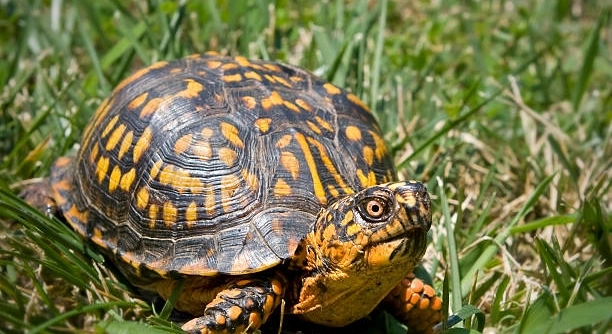
Creating an outdoor habitat for a box turtle can be an exciting and rewarding project. It requires careful planning to ensure your turtle has a safe, comfortable environment to thrive in.
To set up a proper outdoor habitat for a box turtle, you need to create a secure and natural space with shelter, moisture, and access to sunlight. Proper fencing, substrate, and plants are also important for their well-being.
This guide will provide you with all the steps to successfully build the perfect outdoor setup for your box turtle, ensuring a healthy and happy life.
Choosing the Right Location for Your Box Turtle Habitat
The first step in creating an outdoor habitat for your box turtle is choosing the right location. Box turtles need plenty of natural sunlight, but they also require shaded areas to stay cool. Look for a spot that receives a mix of sun and shade throughout the day. The area should be safe from predators like raccoons or stray animals that might harm your turtle. Ensure it is also away from heavy foot traffic or noisy areas, as this could stress your turtle.
A flat, well-drained area is ideal to prevent water from collecting in the habitat and making it too wet. Box turtles prefer a space where they can roam and explore, so having some natural features like rocks, logs, and plants will give them plenty to hide under and climb.
When selecting a location, avoid low-lying spots that could collect water, as your box turtle’s habitat needs to stay dry. Also, consider how easy it will be to clean and maintain the area. A good location will make setting up the rest of the habitat much easier.
Creating Secure Fencing
Fencing is crucial for keeping your box turtle safe. You’ll need to set up barriers that are high enough and deep enough to prevent them from escaping. A good height for the fence is around 18-24 inches.
The fencing material should be durable and weather-resistant, such as wood, wire mesh, or plastic. Be sure to bury the bottom of the fence at least 6 inches deep in the ground to prevent tunneling. A solid fence will help keep your turtle safe from predators and prevent it from wandering away.
Make sure the top of the fence is secure as well. Box turtles can climb or push under poorly constructed fences, so check for weak spots regularly.
Selecting the Right Substrate
For a comfortable and natural environment, choose a substrate that mimics the box turtle’s natural habitat. Materials like coconut coir, cypress mulch, or peat moss work well to maintain humidity and allow for burrowing. Avoid using sand or gravel, as they can cause digestive issues if ingested.
The substrate should be thick enough to let your turtle burrow and feel secure. Around 3-4 inches of bedding is ideal. This also helps maintain proper moisture levels, ensuring the habitat isn’t too dry for your turtle. Add new substrate as needed, especially if it becomes too soiled.
A good substrate also supports healthy plants, which are important for creating a natural environment. It helps regulate humidity while providing your turtle with space to roam and dig. Change the bedding regularly to keep it fresh and clean. Always remove waste or debris to avoid bacterial buildup.
Providing Water and Humidity
A shallow water dish is necessary for your box turtle to drink and soak in. Make sure it’s large enough for your turtle to comfortably enter but shallow enough to prevent drowning. Position the dish away from the direct sunlight to avoid overheating the water.
In addition to the water dish, consider adding a small pool or a damp area in the habitat to maintain the necessary humidity. Box turtles need humidity to stay healthy and shed their skin properly. This can be achieved by using a misting system or simply keeping the area moist.
Keep an eye on the water levels and humidity. A dry habitat will make your turtle stressed and may lead to health issues. Maintaining a balance of wet and dry areas will allow your turtle to choose what it needs for comfort and hydration.
Creating Hiding Spots and Shelter
Box turtles need shelter to feel secure. Provide shaded areas or hides using logs, rocks, or plant cover. This gives them a place to retreat during hot days or when they feel threatened. Having multiple hiding spots is ideal, so they can choose their preferred shelter.
Shelter also offers protection from extreme weather, such as rain or strong winds. A small wooden box or a section of the fence can act as a simple hiding area. Ensure the shelter is well-ventilated to prevent mold or excessive moisture buildup.
Adding Plants and Natural Features
Adding plants to your turtle’s habitat makes it feel more natural and provides a better environment for them to explore. Choose non-toxic, native plants like clover, dandelion, and grasses that your turtle can nibble on safely. These plants also help with humidity and offer extra shade.
Place the plants in spots where your turtle can easily reach them. Box turtles enjoy foraging for food, and plants are a natural food source. Consider adding rocks, branches, or logs for climbing and hiding. These features encourage natural behavior and enhance the turtle’s experience.
Lighting and Temperature Control
Box turtles need access to both heat and light. During the day, they require natural sunlight for warmth and vitamin D synthesis. Ensure there’s a place where they can bask in the sun, but also areas of shade for cooling off. If the climate is too cold, use a heat lamp.
A basking area should maintain a temperature of around 85-90°F (29-32°C), while the rest of the habitat should be cooler, between 70-75°F (21-24°C). Ensure the temperature gradient is gradual, allowing your turtle to regulate its body temperature.
FAQ
How often should I clean my box turtle’s outdoor habitat?
You should clean your turtle’s outdoor habitat regularly to ensure it remains a healthy space. At minimum, clean the habitat once a week. Remove any waste, uneaten food, and debris to prevent bacteria buildup. If you notice any strong odors or dirty substrate, clean more frequently. Always replace the substrate when it gets soiled, as this helps maintain a healthier environment for your turtle.
What should I feed my box turtle in an outdoor habitat?
Box turtles are omnivores, so their diet should consist of a mix of plant material and animal protein. Offer leafy greens, berries, dandelion, and clover, along with insects like crickets and mealworms. You can also provide occasional earthworms and small amounts of cooked eggs or lean meat. Make sure to avoid feeding your turtle toxic plants and provide a variety of foods to mimic their natural diet.
Can my box turtle stay outside during the winter?
Box turtles are not suited for cold weather and should not stay outside during winter unless you live in a warm climate year-round. In colder regions, you will need to bring your turtle indoors during the winter months. If you live in an area with mild winters, ensure your habitat has proper shelter and temperature control to keep your turtle safe. If you can’t bring them inside, you may need to provide a heated indoor space.
What is the ideal humidity level for my box turtle habitat?
Box turtles need moderate humidity levels to stay healthy. The humidity in their outdoor habitat should be around 60-70%. You can increase humidity by adding a shallow water dish, misting the area daily, or using a substrate that retains moisture, like coconut coir or cypress mulch. It’s important to have dry areas where your turtle can retreat if it gets too humid.
How do I prevent predators from harming my box turtle?
Predators like raccoons, dogs, and birds can harm your box turtle if they are able to access the habitat. To prevent this, ensure the fencing is secure and tall enough to deter climbing animals. Bury the bottom of the fence several inches underground to prevent digging. You can also cover the top of the enclosure with mesh or netting to keep out birds and other predators.
Can I put multiple box turtles in the same outdoor habitat?
It’s possible to house multiple box turtles in the same outdoor habitat, but you must be cautious. Box turtles are territorial animals and may fight if space is not ample enough. Ensure there are enough hiding spots, basking areas, and food sources to reduce competition and stress. Keep a close eye on their behavior to make sure they’re not showing signs of aggression.
Do I need to provide UVB lighting for my box turtle?
While natural sunlight provides UVB light, it’s important to ensure your turtle gets enough exposure. If your box turtle’s outdoor habitat is in an area that doesn’t get enough sunlight, you may need to provide artificial UVB lighting. This will help your turtle synthesize vitamin D3, which is necessary for calcium absorption and overall health. If you are using a UVB lamp, make sure it is the right type and place it where your turtle can bask under it.
How big should the outdoor enclosure be for a box turtle?
The outdoor enclosure should provide plenty of space for your box turtle to roam, forage, and bask. A minimum of 8-10 square feet per turtle is recommended, though more space is always better. The enclosure should have areas for digging, climbing, and basking. Ensure it is spacious enough to allow your turtle to exhibit natural behaviors.
What should I do if my box turtle isn’t eating?
If your box turtle isn’t eating, it may be a sign of stress, illness, or improper environmental conditions. Check the temperature, humidity, and lighting in the habitat to ensure they are within the correct range. Make sure your turtle has access to fresh, nutritious food. If the issue persists, consult a vet specializing in reptiles to rule out any medical concerns.
Can I use chemicals or pesticides in the habitat?
Avoid using chemicals or pesticides in your box turtle’s outdoor habitat, as they can be harmful to your turtle. Many chemicals can contaminate the soil or water and cause poisoning. Use natural methods like introducing beneficial insects or manually removing pests. Always be cautious of what you introduce into the habitat to ensure the safety of your turtle.
How can I tell if my box turtle is healthy?
A healthy box turtle should have clear, bright eyes, a clean and smooth shell, and active behavior. It should be alert and responsive when approached. If your turtle is lethargic, not eating, or shows signs of shell damage, it could indicate health issues. Regularly check for any signs of injury, respiratory problems, or abnormal behavior. If you notice anything concerning, contact a vet for advice.
Creating an outdoor habitat for your box turtle is a rewarding process that ensures your turtle has a safe, comfortable, and natural environment. By focusing on essential elements like the right location, proper fencing, substrate, and access to food and water, you can provide your turtle with everything it needs to thrive. It’s important to keep in mind that box turtles are creatures of habit, so consistency in their environment is key to their well-being. This means regularly checking and maintaining the habitat to ensure it remains a suitable place for your turtle to live.
Taking the time to set up an outdoor habitat not only improves the quality of life for your box turtle but also allows you to observe and interact with them in a way that mimics their natural behavior. The combination of open space for exploration, hiding spots for security, and a healthy balance of sunlight and shade gives them the opportunity to act like they would in the wild. The key to success lies in creating an environment that meets their needs while ensuring their safety. Whether you are providing a solitary space or housing multiple turtles, each element of their habitat plays an important role in their health and happiness.
Remember that maintaining the habitat is an ongoing task. Regular cleaning, monitoring the temperature and humidity, and adjusting the shelter as needed will help keep your box turtle happy and healthy. The more you understand your turtle’s needs, the easier it will be to provide them with a habitat that suits them perfectly. With the right preparation and care, your box turtle will have a secure and thriving outdoor home, offering them the best possible life outside their natural habitat.

Hello,
If you enjoy the content that we create, please consider saying a "Thank You!" by leaving a tip.
Every little bit helps us continue crafting quality advice that supports the health, happiness, and well-being of pets around the world, for pets of all shapes, sizes, and species.
We really appreciate the kindness and support that you show us!