
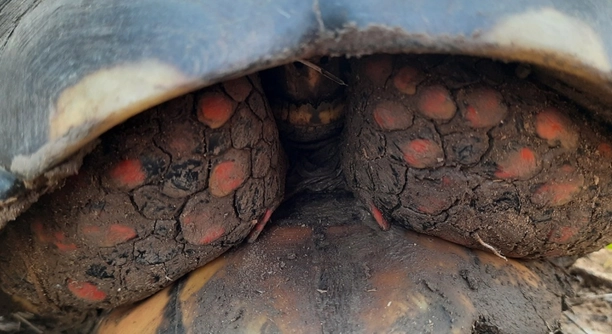
Red-footed tortoises are fascinating pets, but providing them with the right temperature is crucial for their well-being. Temperature affects their digestion, activity, and overall health, so it’s important to know their specific needs.
Red-footed tortoises thrive in temperatures between 75-85°F (24-29°C) during the day, with a slight drop at night to around 70°F (21°C). This temperature range helps support their metabolism, digestion, and immune system, ensuring their optimal health.
Maintaining the right temperature is essential for their comfort and longevity. This guide will walk you through how to achieve the best environment for your red-footed tortoise.
Why Temperature Matters for Red-Footed Tortoises
Temperature plays a vital role in the well-being of red-footed tortoises. As cold-blooded creatures, they rely on external heat to regulate their body temperature. If their environment is too cold or too hot, their immune system weakens, and they become more vulnerable to illness. Maintaining the right temperature ensures their metabolism functions correctly, which impacts digestion and overall health. A consistent, suitable temperature helps them stay active and healthy.
A stable environment also helps prevent stress, which can result in poor eating habits and decreased activity. A stressed tortoise may show signs of lethargy, a lack of appetite, and other health issues. Providing the correct temperature helps avoid these problems and encourages normal behavior.
The temperature in your tortoise’s enclosure should be closely monitored. Having a thermostat or thermometer to track both the basking and cooler areas is essential. You can achieve a comfortable habitat by setting up a basking spot that’s warmer and a shaded area where they can cool off when necessary.
Ideal Temperature Range for Red-Footed Tortoises
For optimal health, keep the temperature between 75-85°F (24-29°C) during the day. At night, temperatures should drop to around 70°F (21°C).
This range supports their digestion and activity levels. It’s important to avoid drastic fluctuations, as it can cause stress and impact their immune system. Proper lighting and heat sources, like basking lamps, will help maintain the ideal range.
Daytime Temperature for Red-Footed Tortoises
During the day, red-footed tortoises should have access to temperatures between 75°F and 85°F (24°C – 29°C). This range allows them to stay active and ensures their metabolism is functioning properly. If the temperature drops too low, they may become sluggish or even sick.
Basking areas within this range are necessary for your tortoise to regulate its body temperature. By providing a warm spot, you help mimic natural sunlight, which encourages your tortoise to move and feed. It’s essential to create a gradient temperature, with one side of the enclosure warmer and the other cooler for rest.
Ensure that the heat source isn’t too intense, as extreme heat could also cause harm. Keep the basking area between 90°F and 95°F (32°C – 35°C) and monitor temperatures regularly to prevent overheating. Overheating can cause dehydration and stress, both of which can weaken your tortoise’s health.
Nighttime Temperature for Red-Footed Tortoises
At night, the temperature should drop to about 70°F (21°C). This change allows your tortoise to sleep comfortably and maintain its natural circadian rhythm. Avoid keeping the temperature too cold as it can lead to hypothermia, slowing down digestion and affecting overall health.
Red-footed tortoises can tolerate a slight drop in temperature at night, but it should never go below 65°F (18°C). A small night-time cooling period mimics the natural environment and helps regulate their activity. Avoid placing them in an area that is subject to drafts or extreme temperature fluctuations, as this could cause unnecessary stress.
Use a heat mat or ceramic heat emitter if the enclosure gets too cold during the night. These heat sources provide consistent warmth without light, ensuring your tortoise sleeps comfortably without disrupting its natural cycles.
Managing Temperature Fluctuations
Temperature fluctuations can stress your red-footed tortoise and harm its health. Keeping the temperature consistent within the ideal range helps them feel secure and reduces the risk of illness. This consistency is key to supporting their immune system and digestion.
If there are sudden drops or spikes in temperature, it can disrupt their natural behavior and cause them to become lethargic or stop eating. Using a thermostat and placing the enclosure in a stable area away from drafts or direct sunlight will help maintain steady conditions. Always monitor the temperature to prevent these fluctuations from happening.
Temperature and Red-Footed Tortoise Diet
The temperature of their environment affects their appetite. When the temperature is within the optimal range, your tortoise is more likely to eat regularly. Cold temperatures slow their digestion and can cause them to refuse food. Warmth encourages active feeding and a healthy metabolism.
Keeping the enclosure’s temperature stable promotes a healthy appetite and better nutrient absorption. When they are comfortable, they’ll be more likely to enjoy their meals and get the necessary vitamins and minerals for their health.
Heat Sources for Red-Footed Tortoises
Providing heat is crucial for maintaining the correct temperature in their enclosure. You can use heat lamps, ceramic heat emitters, or under-tank heating pads to create the right environment. Each of these methods has its advantages.
Heat lamps provide visible light and warmth, mimicking sunlight. Ceramic heat emitters, on the other hand, provide heat without light, making them ideal for nighttime heating. Be sure to choose the right size and wattage for your tortoise’s enclosure to avoid overheating. Always monitor temperatures to ensure they stay within the proper range.
FAQ
What happens if the temperature is too low for my red-footed tortoise?
If the temperature in your tortoise’s habitat is too low, it can cause them to become lethargic and sluggish. They may stop eating, and their digestion will slow down. Over time, prolonged exposure to cold temperatures can weaken their immune system and make them more susceptible to illnesses. In extreme cases, it could lead to respiratory infections or other serious health issues. Ensure the temperature stays within the ideal range of 75-85°F (24-29°C) during the day to avoid these problems.
Can red-footed tortoises handle high temperatures?
Red-footed tortoises can tolerate higher temperatures, but it’s essential not to let the temperature rise too much. If the temperature exceeds 95°F (35°C) for long periods, your tortoise could become overheated, leading to dehydration, heat stress, and other health complications. Be sure to provide areas for them to cool down and ensure the temperature remains within the optimal range.
How can I monitor the temperature in my tortoise’s enclosure?
To effectively monitor the temperature, place thermometers at both the basking and cooler areas of the enclosure. A digital thermometer with a probe is the most accurate. You can also use a thermostat to control heat sources, ensuring the temperature stays stable. Checking the temperature several times a day will help you keep everything in balance.
Should I use a heat lamp or a ceramic heater for my tortoise?
A heat lamp is ideal for providing both warmth and light, mimicking natural sunlight. However, heat lamps also emit light, which may not be necessary during the night. If you want a heat source that provides warmth without disrupting the tortoise’s sleep cycle, ceramic heat emitters are a good choice. Both options are effective, but you may want to combine them based on the time of day.
What is the best time of day to use heat for my tortoise?
During the day, you should provide warmth to mimic the sun. The basking area should be kept between 90°F and 95°F (32°C – 35°C), while the rest of the enclosure should be within the ideal range of 75-85°F (24-29°C). At night, the temperature should naturally drop to around 70°F (21°C) to help your tortoise rest properly.
Can I use a heating pad under the tank?
Yes, heating pads can be used under the tank, especially if the enclosure is placed on a hard surface like tile or wood. The heating pad provides warmth from below, creating a temperature gradient. However, make sure the pad does not get too hot and monitor the temperature closely. You may also want to combine the heating pad with a heat lamp or ceramic emitter for better overall temperature control.
Do I need a UVB light for my red-footed tortoise?
Yes, UVB lighting is essential for red-footed tortoises. They need UVB light to produce vitamin D3, which helps them absorb calcium and maintain healthy bone growth. UVB bulbs should be used during the day to mimic the sun’s natural rays. Be sure to replace the bulbs regularly as their effectiveness diminishes over time.
What should I do if my tortoise is not eating?
If your tortoise is not eating, it could be a sign of incorrect temperatures. If the environment is too cold, they may not have the energy or appetite to feed. Ensure the temperature is within the right range and check if they are in the appropriate basking area. Stress, improper diet, or illness could also be factors, so if temperature adjustments don’t help, it may be time to consult a vet.
Can my red-footed tortoise live without a heat source?
No, red-footed tortoises cannot live without a heat source. They are cold-blooded animals, meaning they rely on external heat to regulate their body temperature. Without heat, they cannot digest food properly, and their immune system becomes weak. Providing consistent heat is crucial for their overall health and well-being.
What is the best humidity level for a red-footed tortoise?
While temperature is critical, humidity is equally important for red-footed tortoises. They thrive in environments with 60-80% humidity. Too low humidity can cause dehydration and respiratory issues, while too high humidity can create the perfect breeding ground for bacteria. To maintain proper humidity, mist the enclosure regularly and ensure proper ventilation. You can also provide a humid hide to help them regulate moisture levels.
Final Thoughts
Maintaining the proper temperature for your red-footed tortoise is essential to their overall health and well-being. By keeping the temperature within the right ranges, you support their digestion, immune system, and natural behavior. Without the right temperature, they can become lethargic, lose their appetite, or even become sick. A consistent environment is key, as fluctuations in temperature can cause stress and discomfort for your tortoise.
Remember to monitor both the basking and cooler areas of their enclosure to ensure a proper temperature gradient. You can use heat lamps or ceramic heat emitters to maintain warmth during the day and night. Always be cautious not to let the enclosure become too hot or too cold, as this can lead to health problems. It’s also important to use a thermometer to regularly check the temperature and make adjustments as needed. Proper lighting, including UVB lights, is another important factor in keeping your tortoise healthy, helping them process calcium and maintain strong bones.
With careful attention to their temperature needs, red-footed tortoises can thrive and live long, healthy lives in your care. By creating a stable and suitable environment, you’ll help them feel comfortable and safe. This is a rewarding responsibility that ensures your tortoise can enjoy an active, healthy life. Always keep in mind the importance of warmth, light, and humidity, and be prepared to make adjustments if necessary.

Hello,
If you enjoy the content that we create, please consider saying a "Thank You!" by leaving a tip.
Every little bit helps us continue crafting quality advice that supports the health, happiness, and well-being of pets around the world, for pets of all shapes, sizes, and species.
We really appreciate the kindness and support that you show us!