Do Painted Turtles Sleep Underwater? (How It Works)
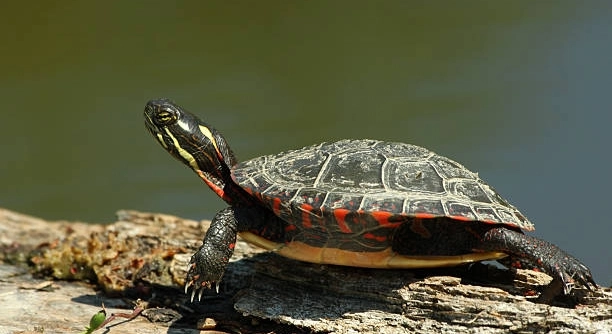
Many people are curious about the behaviors of painted turtles, especially when it comes to their sleep patterns. Understanding how these fascinating creatures manage their rest is both intriguing and essential for those who study or care for them. Painted turtles can sleep underwater, though they do not rely on this behavior for all their … Read more
Can Painted Turtles Eat Dog Food? (What You Need to Know)

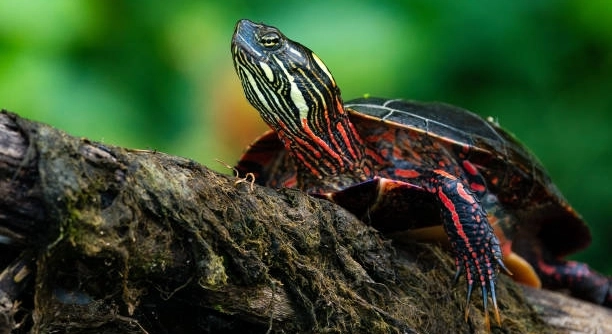
Painted turtles are fascinating creatures, and when it comes to their diet, owners often wonder about the right food choices. It’s important to ensure that these reptiles get the proper nutrition for a healthy life. While dog food is not harmful in small amounts, it is not suitable for painted turtles. Their nutritional needs are … Read more

7 Steps to Setting Up a Painted Turtle Breeding Tank

Setting up a breeding tank for painted turtles requires careful planning and attention to their needs. By providing the right environment, you can support a successful breeding process and ensure your turtles’ well-being throughout. To establish a proper painted turtle breeding tank, start by selecting an appropriate tank size, providing both land and water areas, … Read more

Why Is My Painted Turtle Scratching the Tank? (+Solutions)

A painted turtle scratching at its tank can be concerning, but it’s a fairly common behavior. There are several potential reasons for this action that may be linked to its environment or physical needs. The most likely causes for your painted turtle’s scratching behavior include stress, tank discomfort, or even a need for shedding. If … Read more

How to Identify Painted Turtle Subspecies (Complete Guide)

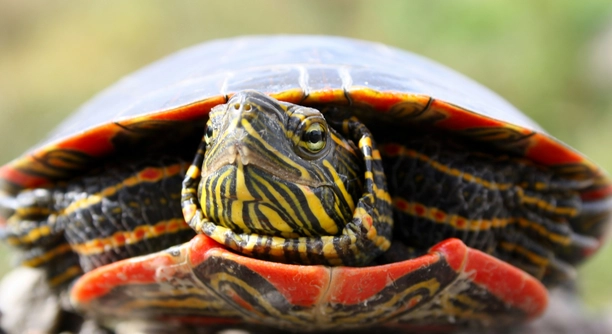
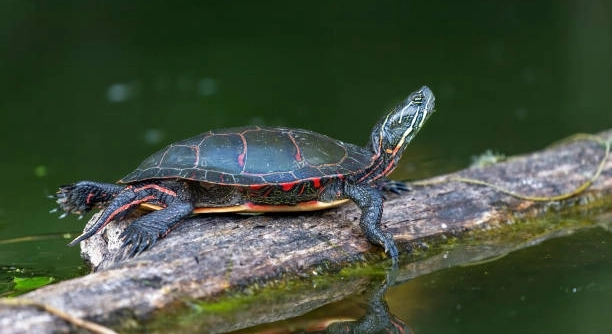
The painted turtle is one of the most recognizable turtle species. However, identifying the different subspecies can be tricky due to subtle physical differences. This guide will help you learn how to distinguish them with ease. The painted turtle has four primary subspecies: the Eastern, Western, Southern, and Midland painted turtles. Each subspecies has unique … Read more

What Is the Best Diet for Adult Painted Turtles?

Adult painted turtles require a well-rounded diet for optimal health. Their food needs include a balance of protein, vegetables, and occasional fruits to ensure they stay active and healthy. Knowing what to feed them can make a big difference. The best diet for adult painted turtles consists of high-quality protein such as insects, fish, and … Read more

7 Reasons Why Painted Turtles Shed Skin (+What to Do)

Painted turtles, like many reptiles, shed their skin regularly. This natural process helps them maintain healthy skin and grow. However, it can sometimes raise concerns for turtle owners about why and when this happens. The primary reason painted turtles shed skin is to replace old, damaged, or worn-out skin. As they grow, they naturally shed … Read more

Painted Turtle Shell Discoloration (Causes and Fixes)

Turtle shell discoloration can be a concerning issue for pet owners. It’s important to recognize potential causes and understand how to treat them. This condition can affect the health and appearance of your turtle, so proper attention is needed. The discoloration of a painted turtle’s shell can be caused by various factors, such as poor … Read more

How to Safely Handle a Painted Turtle (Do’s and Don’ts)

Handling a painted turtle requires care to ensure their safety and well-being. Knowing the right steps and precautions can help you interact with them without causing harm. This guide will provide you with helpful tips. When handling a painted turtle, it’s essential to support its body properly, using both hands to lift gently. Avoid sudden … Read more

Do Painted Turtles Get Lonely? (Social Needs Explained)

Painted turtles are fascinating creatures, often admired for their unique appearance and calm nature. However, many people wonder about their social needs and whether these turtles can experience loneliness. Understanding their behavior is key to providing proper care. Painted turtles are generally solitary animals and do not require constant social interaction. They are not known … Read more