7 Reasons Painted Turtles Are Picky Eaters (+Solutions)
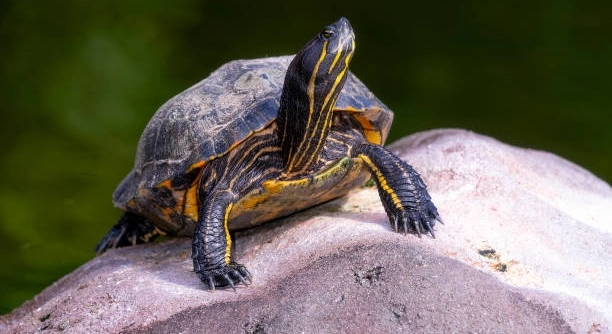
Painted turtles can be tricky eaters. Many owners struggle to understand why their turtles turn up their noses at certain foods. Their picky eating habits may seem confusing, but there’s more to it than meets the eye. The main reasons painted turtles are picky eaters include environmental factors, individual preferences, and dietary requirements. These turtles … Read more

How to Safely Transport a Painted Turtle (7 Tips)

Sure! Here’s a draft following your instructions: Paragraph: Painted turtles are beautiful creatures, but they require care when being moved from one place to another. Knowing the proper techniques can help ensure their safety and health during transportation. Paragraph: Transporting a painted turtle safely involves preparing the right environment, minimizing stress, and protecting it from … Read more

Painted Turtle Breeding Season: What to Expect

Paragraph: Painted turtles begin their breeding season during the warmer months, typically starting in late spring. As temperatures rise, these gentle creatures emerge from hibernation, signaling the start of their mating period. Paragraph: Breeding season for painted turtles usually begins in late spring when the temperatures rise, prompting the turtles to become active again. During … Read more

7 Ways to Make a Painted Turtle Tank Easier to Clean

Paragraph 1Taking care of a painted turtle tank can be rewarding, but it can also feel overwhelming, especially when cleaning seems like a constant task. The water, substrate, and decorations all play a part in how often it needs attention. Keeping the tank clean will ensure your turtle stays healthy, and it doesn’t have to … Read more

Can Painted Turtles Live in a Brackish Environment?

Sure! Here’s the requested intro: Paragraph: Painted turtles are known for their unique ability to thrive in freshwater environments, but have you ever wondered if they can also adapt to brackish water? These turtles’ habitats often vary, and understanding how well they cope with salty environments can provide valuable insights into their overall care. Paragraph: … Read more

Painted Turtle Tank Humidity: What’s Ideal?

Paragraph: Painted turtles are fascinating creatures, and providing the right environment for them is crucial to their health. One important factor to consider is maintaining the proper humidity levels in their tank. Paragraph: The ideal humidity level for a painted turtle tank should range between 60% and 80%. This helps prevent respiratory issues and keeps … Read more

7 Creative DIY Painted Turtle Tank Decor Ideas

Paragraph: Decorating a turtle tank can be a fun and creative way to create a vibrant habitat for your aquatic pets. Whether you’re adding colors, textures, or natural elements, you’ll find that DIY projects can make your turtle’s space unique and stimulating. Simple materials can be transformed into beautiful decorations that enhance both the aesthetics … Read more

How to Tell If Your Painted Turtle Tank Is Too Bright

Is your painted turtle tank too bright? It’s an important question to ask, as the lighting in your tank can directly impact your turtle’s health and well-being. Here’s what you need to know to get it just right. The brightness of your painted turtle tank should be balanced to mimic their natural environment. Too much … Read more

Can Painted Turtles Eat Cucumber? (+Preparation Tips)

Painted turtles are curious creatures with specific dietary needs, and as a pet owner, you might wonder what foods are best for them. Understanding their nutritional requirements can help you keep them healthy and happy. Painted turtles can eat cucumber in moderation. While cucumbers are not harmful, they should be offered occasionally, as part of … Read more

Painted Turtle Feeding Times: When and How Often?

Taking care of a painted turtle involves many details, from habitat setup to feeding times. Understanding when and how often to feed your turtle is key to keeping it healthy and happy in its environment. Painted turtles should be fed daily when they are young and still growing. As adults, they can be fed every … Read more