Why Is My Painted Turtle Tank Too Humid? (+Fixes)
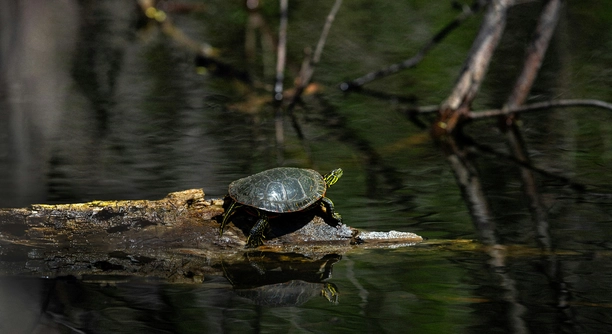
If you have a painted turtle, you may have noticed that humidity levels in their tank can sometimes become an issue. A humid environment is essential, but too much moisture can lead to problems for both your turtle and its habitat. The primary cause of excess humidity in a painted turtle tank is improper ventilation … Read more
Can Painted Turtles Eat Tomatoes? (+Feeding Guidelines)

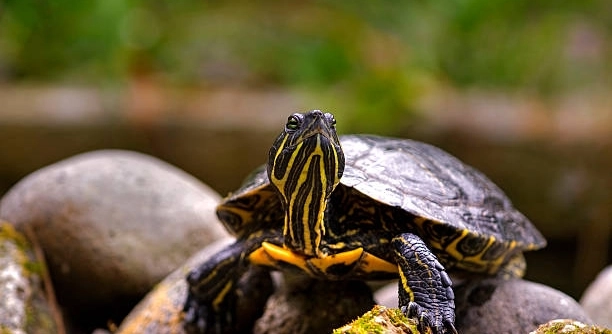
Many turtle owners may wonder about the suitability of certain foods for their pets. While painted turtles are known for their diverse diet, it’s important to understand what they can and cannot eat to keep them healthy. Painted turtles can eat tomatoes in moderation. However, tomatoes should only be given as a treat, as they … Read more

7 Steps to Prepare a Painted Turtle for Winter

Preparing your painted turtle for winter requires attention and care. As temperatures drop, their behavior and needs change. Proper preparation ensures your turtle’s safety and health through the colder months. To prepare a painted turtle for winter, start by providing a suitable hibernation space. Ensure the area is cool, damp, and free from predators. Adjust … Read more

How to Create a Safe Hibernation Zone for Painted Turtles

Creating a safe hibernation zone for painted turtles is essential for their health and well-being. Proper preparation ensures these fascinating reptiles can hibernate comfortably, mimicking the natural conditions they require for survival during colder months. To create a safe hibernation zone for painted turtles, provide a temperature-controlled environment with clean water and a soft substrate. … Read more

Why Is My Painted Turtle Swimming Erratically?

Is your painted turtle swimming erratically, leaving you puzzled about its behavior? Understanding the reasons behind this can help ensure its health and happiness in its aquatic environment. Let’s explore the possible causes together. Erratic swimming in painted turtles is often caused by stress, illness, or environmental issues. Common factors include water quality problems, improper … Read more

Can Painted Turtles Eat Ginger? (+Why It’s Not Ideal)

Painted turtles have a varied diet, consisting mainly of aquatic plants, insects, and small fish. However, certain foods are not ideal for them, including ginger. While it’s not toxic, it may cause issues. Ginger is not an ideal food for painted turtles due to its strong, spicy compounds, which may upset their digestive system. Turtles … Read more

7 Reasons to Upgrade Your Painted Turtle Tank

Upgrading your painted turtle’s tank can have a significant impact on their health and comfort. A suitable environment supports their well-being and encourages natural behaviors. Simple improvements can make a noticeable difference in your turtle’s life. The most effective way to enhance your painted turtle’s tank is by providing better water filtration, lighting, and space. … Read more

Why Does My Painted Turtle Always Stay Near the Heater?

Painted turtles are fascinating creatures, and like many reptiles, they have specific needs that must be met to stay healthy. You may have noticed your painted turtle always staying near the heater, and it’s important to understand why this happens. The most likely reason your painted turtle stays near the heater is due to its … Read more

Can Painted Turtles Eat Mint Leaves? (+Safe Uses)

Painted turtles are known for their diverse diet, which includes a mix of plants, insects, and small fish. However, when introducing new foods, it’s important to consider whether these choices are safe for them. Mint leaves are one such option that may raise questions. Mint leaves can be safely consumed by painted turtles in moderation. … Read more

7 Steps to Prevent Mold in a Painted Turtle Tank

Mold can be a problem in a painted turtle tank, causing health issues for your pet. It’s important to maintain a clean environment to prevent mold growth and ensure your turtle’s well-being. To prevent mold in a painted turtle tank, focus on regular cleaning, proper filtration, and maintaining the right humidity levels. Ensure that uneaten … Read more