7 Ways Box Turtles Use Their Shells for Defense
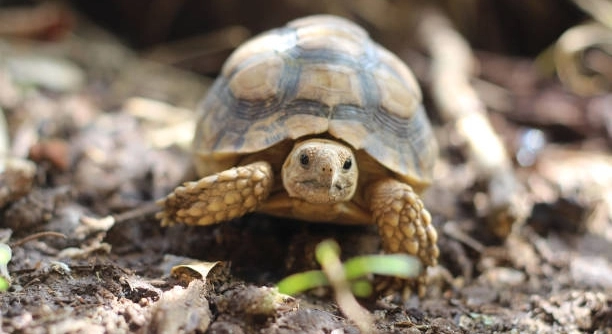
Box turtles are known for their unique way of protecting themselves. Their shells are vital to their survival. These remarkable creatures have developed clever ways to use their shells for defense in different situations. Box turtles primarily use their shells for protection against predators. Their hard, dome-shaped shells act as a shield, allowing them to … Read more
How to Protect Box Turtle Hatchlings From Predators

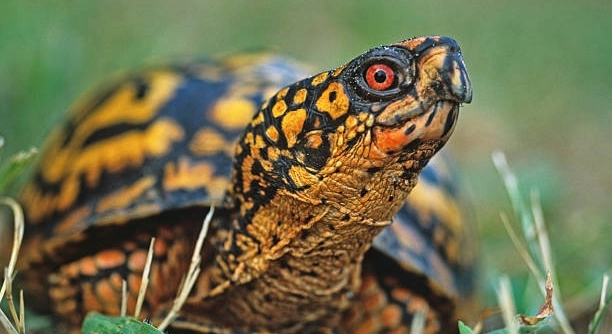
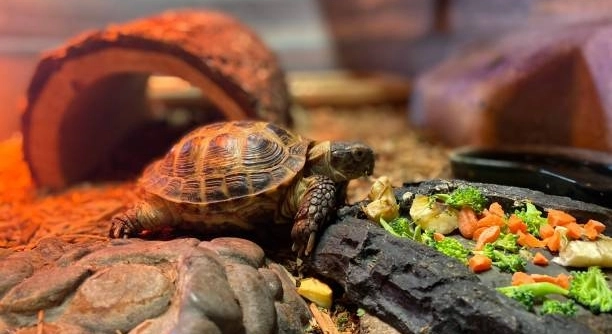
Many turtle hatchlings face risks from predators as they begin their journey. Their vulnerability is heightened due to their small size and the lack of experience. Ensuring their safety is critical for their survival and growth. To protect box turtle hatchlings from predators, it is essential to create a secure environment. This can be achieved … Read more

7 Reasons Box Turtle Eggs Fail to Hatch

Many pet owners look forward to hatching box turtle eggs, but there are several factors that can interfere with the process. Understanding these issues can help improve the chances of successful hatching and provide a healthier environment for your turtles. Eggs may fail to hatch due to various reasons, including improper incubation conditions, incorrect humidity … Read more

How to Create a Low-Maintenance Box Turtle Habitat

A box turtle habitat requires careful planning to ensure the environment meets its needs while remaining low-maintenance. The proper setup provides a safe space for these unique creatures to thrive, without demanding excessive care. Creating a low-maintenance box turtle habitat involves providing an appropriate enclosure, offering suitable substrate, and ensuring proper humidity and temperature levels. … Read more

Why Enclosure Size Matters for Box Turtles (+7 Guidelines)

A box turtle’s enclosure is more than just a space; it plays a vital role in its overall health and well-being. Providing the right size enclosure allows your turtle to thrive by supporting its natural behaviors and needs. The enclosure size directly impacts a box turtle’s quality of life. A too-small space can cause stress … Read more

7 Substrates to Avoid for Box Turtle Enclosures

Choosing the right substrate for your box turtle enclosure is essential for its well-being. Some materials can harm their health or create an unsuitable environment. Understanding which substrates to avoid is key to keeping your turtle safe. Certain substrates can be harmful to box turtles, causing stress, health issues, or creating an unclean environment. Materials … Read more

How to Handle a Sick Box Turtle Safely

Box turtles can become sick due to various reasons, such as improper care, environmental factors, or infections. It’s important to know how to handle a sick box turtle to ensure it receives the necessary treatment and care. The first step in handling a sick box turtle is to carefully assess its condition. Look for signs … Read more

Providing Mental Stimulation for Box Turtles (Complete Guide)

Providing mental stimulation for box turtles is important for their overall well-being. Engaging their minds helps keep them active, healthy, and happy. In this guide, we will explore simple ways to support their mental and physical health. The best way to provide mental stimulation for box turtles is by offering a variety of activities such … Read more

7 Ways to Encourage Foraging Behavior in Box Turtles

Foraging behavior is a natural part of a box turtle’s life. Encouraging this behavior is important for their mental and physical health. In this article, we’ll explore ways to support your turtle’s instincts and make their environment more stimulating. To encourage foraging behavior in box turtles, provide a varied diet, introduce hiding spots, and incorporate … Read more

How to Photograph Box Turtles in the Wild Like a Pro

Photographing box turtles in the wild can be an enjoyable and rewarding experience. With the right approach and preparation, you can capture stunning images of these fascinating creatures in their natural habitat. To photograph box turtles professionally in the wild, start by learning their behaviors and preferred habitats. Use a long lens to maintain a … Read more