7 Ways to Monitor Box Turtle Health at Home
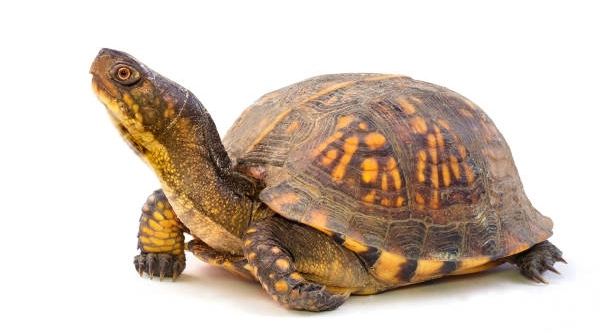
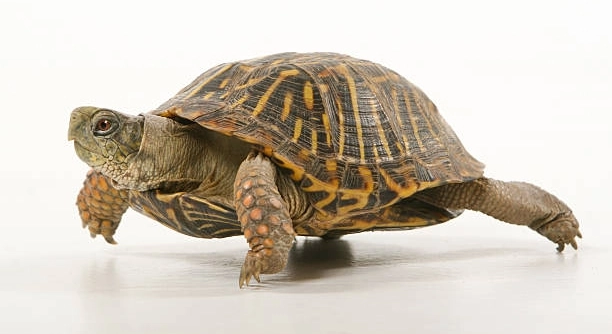
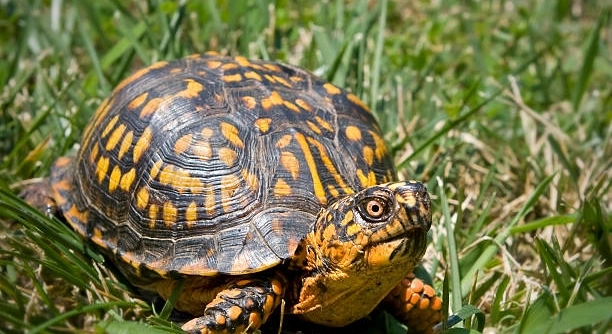
Box turtles are wonderful pets, but ensuring their health can sometimes feel like a challenge. Regular monitoring helps you keep track of their well-being and ensure they are thriving in their home environment. To monitor a box turtle’s health at home, focus on their physical appearance, behavior, diet, and living conditions. Regular checks can help … Read more
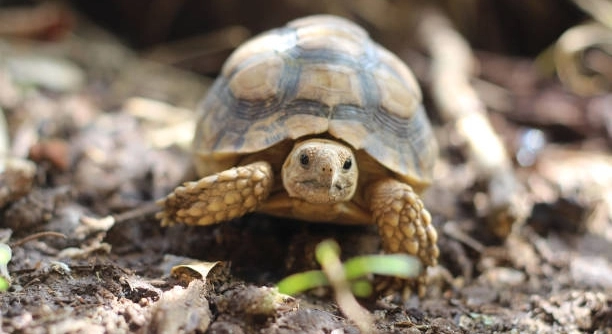
How to Create a Rainforest-Themed Habitat for Box Turtles

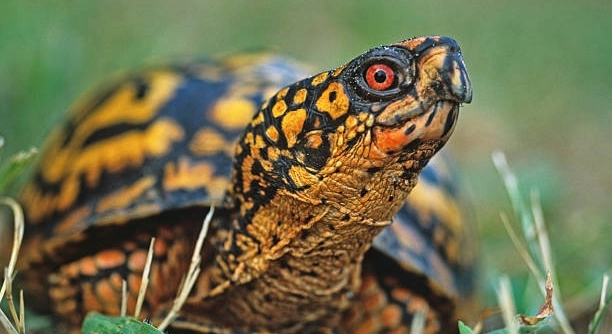
Creating a rainforest-themed habitat for your box turtle can help mimic its natural environment. It also provides an enriching space where your turtle can thrive, offering a balance of humidity, temperature, and shelter. To create a suitable rainforest habitat, start by focusing on humidity, temperature, lighting, and habitat structure. Ensure proper heating lamps, humidity levels, … Read more

7 Causes of Box Turtle Shell Discoloration (+Prevention)

Box turtles are beautiful creatures with unique shells. Sometimes, though, their shells can lose their color or change in appearance. Understanding the causes of shell discoloration is essential for providing proper care and ensuring their well-being. Box turtle shell discoloration can happen due to several factors, such as poor diet, inadequate lighting, infections, or environmental … Read more

7 Strategies for Enriching Box Turtle Environments

Box turtles thrive in environments that mimic their natural habitats. Providing a enriching environment is essential for their well-being and longevity. Creating a habitat that meets the needs of box turtles involves understanding their natural behaviors and environmental requirements. Discover practical strategies to enhance your box turtle’s habitat and ensure a healthy, happy life. 1. … Read more

How to Stop Aggression Between Multiple Box Turtles (+7 Methods)

Box turtles can sometimes display aggression towards each other, leading to stress and possible injury. Understanding the causes and solutions can help ensure they live harmoniously in shared spaces. Here are some practical tips to reduce aggression among your turtles. Aggression in box turtles usually occurs due to territorial behaviors or mating struggles. To reduce … Read more

How to Safely Handle a Nervous Box Turtle (+7 Steps)

Handling a nervous box turtle requires patience and care. Turtles are delicate creatures, and ensuring they feel safe is key. Knowing the right way to handle them will help reduce stress and keep them healthy. To safely handle a nervous box turtle, approach gently and calmly. Support its body fully with your hands to avoid … Read more

7 Safe Places to Allow Female Box Turtles to Nest

Female box turtles are fascinating creatures, and understanding where they like to nest is key to providing them with a safe environment. Knowing the best spots for them can help you support their natural behavior while protecting their well-being. Safe nesting areas for female box turtles should have soft, well-drained soil, plenty of natural cover, … Read more

7 Solutions for Moldy Spots in Box Turtle Tanks

Moldy spots in a box turtle tank can be concerning for both the turtle and the tank environment. Mold growth is common in tanks with high humidity and inadequate ventilation. Taking care of this issue is essential for your turtle’s health. Mold growth in box turtle tanks is often caused by excess moisture, poor airflow, … Read more

How Fast Can Box Turtles Move? (+7 Fun Comparisons)

Box turtles are fascinating creatures, and you might be curious about how fast they can move. Whether you’re an animal enthusiast or just someone who’s stumbled upon these interesting reptiles, you’re in the right place. Box turtles typically move at a speed of 0.2 to 0.5 miles per hour (0.3 to 0.8 kilometers per hour). … Read more

How to Set Up a Safe Space for Hatchlings (+Tips)

Creating a safe space for hatchlings is crucial for their well-being. A carefully set-up area ensures they thrive and grow, making it important to know how to provide the right environment for them. To set up a safe space for hatchlings, you should create an enclosure that is secure, warm, and free from potential hazards. … Read more