How to Safely Transport a Map Turtle (Step-by-Step)
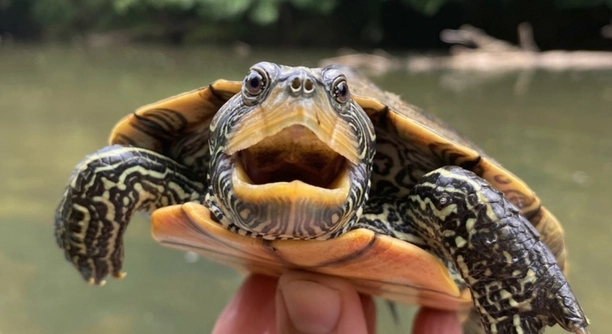
Transporting a map turtle can seem tricky, but with a bit of care, you can make the process safe and stress-free. It’s important to follow specific steps to ensure their well-being during the journey. To safely transport a map turtle, start by preparing a secure container with proper ventilation and moisture. Keep the turtle in … Read more
7 Key Differences in Caring for Male vs Female Map Turtles

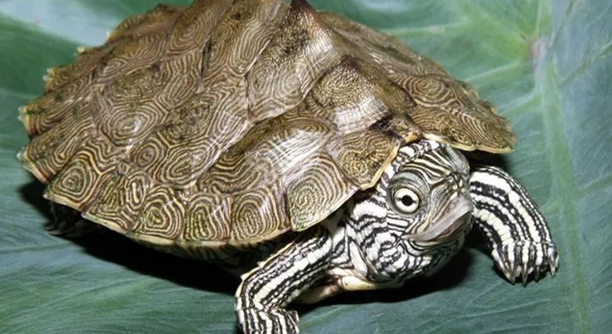
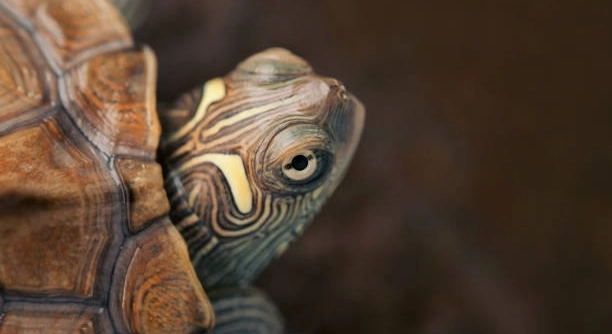
Caring for map turtles requires understanding their unique needs. When raising male and female map turtles, their differences can impact how you care for them. Here, we explore seven key differences between the two. Male and female map turtles exhibit distinct care requirements, including variations in tank size, diet, and temperament. Females are typically larger … Read more

7 Benefits of Adding Live Plants to a Map Turtle Tank

Adding live plants to your Map Turtle tank can create a more natural environment, benefiting both your turtle and its habitat. Many turtle owners wonder if live plants truly make a difference in their tanks. Live plants provide numerous benefits to Map Turtle tanks. They help improve water quality by absorbing excess nutrients, offer hiding … Read more

How to Safely Transport Your Map Turtle to the Vet

Transporting a map turtle to the vet may seem like a challenging task, but with the right precautions, it can be a smooth and safe experience. Proper handling is key to ensuring your pet’s well-being during the journey. To safely transport your map turtle to the vet, use a secure carrier with soft bedding, keeping … Read more

How to Care for Baby Map Turtles (Beginner Guide)

Baby map turtles are beautiful reptiles, and caring for them can be both rewarding and simple with the right knowledge. As a beginner, it’s important to understand their basic needs to ensure they thrive in your care. Caring for baby map turtles requires providing a proper habitat, including clean water, UVB lighting, and a balanced … Read more

7 Traits That Indicate High-Quality Captive Map Turtles

Paragraph 1:Caring for captive map turtles can be a rewarding experience, but identifying high-quality individuals is key. Whether you’re a first-time turtle owner or an experienced keeper, knowing the signs of a healthy, thriving turtle matters. Paragraph 2:High-quality captive map turtles display healthy shells, clear eyes, and active behavior. Their skin should appear smooth and … Read more

How to Contribute to Map Turtle Conservation Efforts

Map turtles are unique creatures, but their numbers are dwindling due to habitat loss and environmental challenges. By understanding their needs, you can play an important role in helping preserve their population. Contributing to map turtle conservation efforts involves supporting protected habitats, minimizing pollution, and advocating for conservation laws. You can also participate in citizen … Read more

7 Effective Remedies for Minor Shell Injuries

Minor shell injuries, whether to your shell collection or small shell-based accessories, can be quite frustrating. Knowing how to address them can save both time and effort. In this article, we’ll explore seven effective remedies for minor shell injuries. To effectively remedy minor shell injuries, clean the affected area, assess the damage, and apply appropriate … Read more

7 Common Tank Mistakes Map Turtle Owners Make

Taking care of a map turtle can be rewarding, but it’s easy to make common mistakes when setting up their tank. Knowing what to avoid will help create a healthier environment for your pet and improve its quality of life. One of the most common mistakes tank owners make is not providing proper water filtration. … Read more

How to Tell If Your Map Turtle Is Happy (+Signs to Watch)

Map turtles are unique pets, and understanding their well-being is key to ensuring they thrive in your care. It’s essential to recognize the signs that indicate whether your turtle is happy and healthy. A happy map turtle exhibits active behavior, healthy eating habits, and a comfortable environment. Proper basking, swimming, and interacting with the habitat … Read more