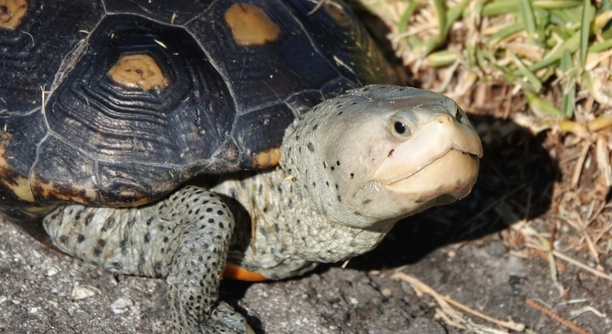
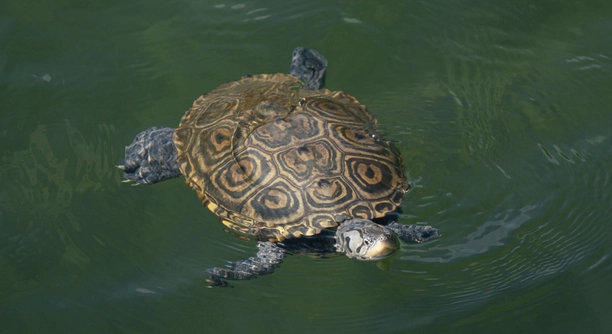
7 Reasons Why Diamondback Terrapins Are Great for Beginners
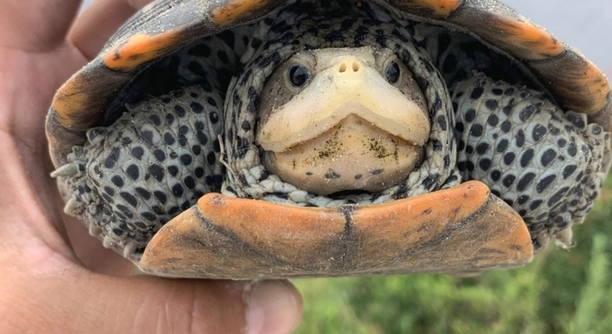
Diamondback Terrapins are a popular choice for beginner pet owners. Their unique appearance and manageable care needs make them an excellent option for those looking to add a reptile to their household. Diamondback Terrapins are well-suited for beginners due to their manageable size, easy diet, and relatively low-maintenance habitat needs. They require a balanced diet … Read more
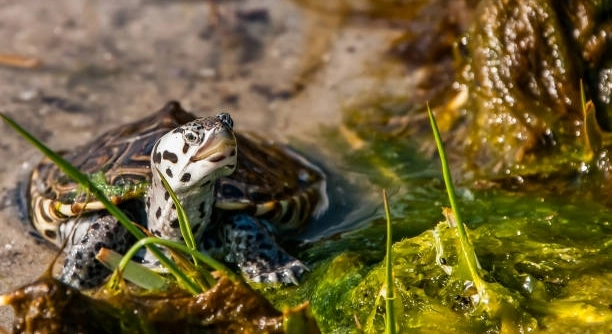
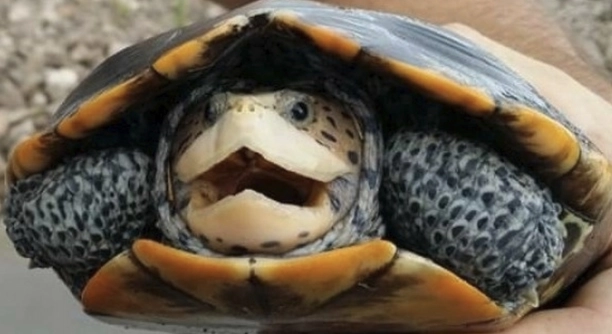
7 Differences Between Wild and Captive Diamondback Terrapins

Wild and captive diamondback terrapins are two types of these unique reptiles that share certain similarities but also exhibit notable differences. Understanding these variations can enhance the care and appreciation of these fascinating creatures. The main differences between wild and captive diamondback terrapins involve their habitats, diet, behavior, and health. Wild terrapins rely on natural … Read more

Why Does My Diamondback Terrapin Stop Eating During Brumation?

Brumation can be a challenging time for both pet owners and their diamondback terrapins. Understanding their behavior during this period is important for ensuring their health and well-being. It’s common for terrapins to stop eating during brumation. Diamondback terrapins naturally slow down their metabolism during brumation, which can cause them to stop eating. This behavior … Read more

Why Is My Diamondback Terrapin Ignoring Its Food?

A Diamondback Terrapin not eating can be concerning for any pet owner. Whether you’re new to caring for one or have had it for a while, understanding why your terrapin isn’t interested in food can be tricky. There are several reasons why your Diamondback Terrapin might not be eating. Stress, changes in environment, improper water … Read more

7 Signs That Your Diamondback Terrapin Is Too Hot

Diamondback terrapins are unique reptiles that thrive in specific temperature ranges. When their environment becomes too hot, it can lead to serious health issues. Knowing the signs of overheating is crucial for their well-being. The main signs that your Diamondback terrapin is too hot include excessive basking, lethargy, loss of appetite, and seeking cooler spots. … Read more

7 Factors That Impact Diamondback Terrapin Shell Strength

Diamondback Terrapins are fascinating creatures with unique characteristics. Among their most notable features is their strong shell, which provides protection from predators. However, various factors influence the overall strength of their shells. Several elements impact the strength of a Diamondback Terrapin’s shell, including genetics, diet, environmental conditions, and the overall health of the terrapin. Adequate … Read more

Why Do Diamondback Terrapins Sometimes Float on Their Backs?

Diamondback terrapins are fascinating creatures, and you may have noticed them floating on their backs from time to time. This behavior can be puzzling for many turtle enthusiasts. Understanding why this happens can provide insight into their health and behavior. Diamondback terrapins may float on their backs due to issues like gas buildup in their … Read more

7 Signs That Your Diamondback Terrapin Is Becoming Malnourished

Diamondback terrapins are fascinating creatures, but like all pets, they require proper care and attention. If you’re unsure about your terrapin’s health, it’s important to look for signs of malnutrition. This article will help you identify them. Malnutrition in diamondback terrapins can lead to a range of health issues. Signs of this condition include weight … Read more

Why Is My Diamondback Terrapin Shedding Excessively? (+Causes)

Shedding is a common occurrence for many reptiles, including Diamondback Terrapins. However, excessive shedding may signal an underlying issue that requires attention. Understanding the causes behind this can help you ensure your pet’s health and comfort. Excessive shedding in Diamondback Terrapins may be caused by factors such as improper humidity, temperature imbalances, poor diet, or … Read more