
How to Recognize a Dehydrated Russian Tortoise
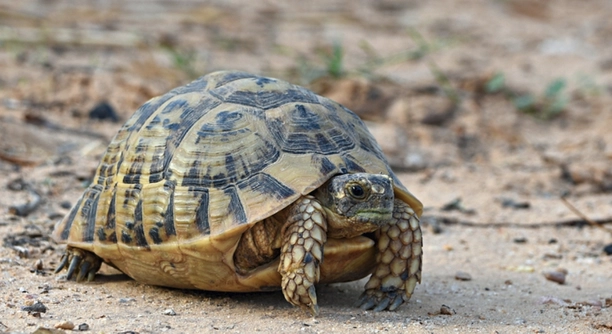
Recognizing a dehydrated Russian Tortoise can be challenging, but understanding the signs is essential for maintaining their health. These tortoises are vulnerable to dehydration, and early detection can help prevent serious health issues. Signs of dehydration in a Russian Tortoise include sunken eyes, lethargy, dry skin, and a lack of appetite. Ensuring access to fresh … Read more
7 Ways to Keep Your Russian Tortoise Engaged in Captivity

Keeping your Russian tortoise engaged in captivity is essential for its well-being. These fascinating creatures need stimulation to stay active and healthy. Finding ways to keep them occupied will improve their quality of life and behavior. Providing a variety of environments and activities for your Russian tortoise ensures it stays mentally and physically active. Offering … Read more

How to Tell If Your Russian Tortoise Is Experiencing Stress Molt

Is your Russian tortoise shedding excessively or showing unusual skin changes? Stress molt can be a sign of underlying issues that need attention. Understanding the causes and symptoms can help ensure your pet’s health and well-being. Stress molt in Russian tortoises is often triggered by environmental changes, improper diet, or inadequate humidity. Identifying early signs, … Read more

Why Is My Russian Tortoise Stomping Its Feet?

Is your Russian tortoise stomping its feet more than usual? This behavior may seem odd, but it is not uncommon. Understanding the reasons behind it can help you determine whether it is a normal habit or a sign of concern. Russian tortoises stomp their feet primarily due to territorial behavior, mating instincts, or discomfort in … Read more

7 Reasons Why Your Russian Tortoise Is Acting Restless at Night

If your Russian tortoise is acting restless at night, you may wonder what could be causing this behavior. It’s essential to understand the reasons behind this to ensure your pet’s well-being. The most common reasons for a Russian tortoise’s restlessness at night include environmental factors, such as temperature changes, humidity levels, or improper lighting. Stress … Read more

How to Stop Your Russian Tortoise from Eating Its Substrate

Russian tortoises are fascinating creatures, but they can develop some odd eating habits, like consuming their substrate. This behavior may seem harmless but can actually pose risks to their health if not addressed properly. To prevent a Russian tortoise from eating its substrate, ensure that it has a balanced diet rich in fiber and appropriate … Read more

Why Is My Russian Tortoise Shedding More Than Usual?

Russian tortoises are known for shedding their skin regularly, but if you’ve noticed an increase in shedding, it might be a sign of an underlying issue. Understanding why this happens can help you address any concerns and care for your pet better. Excessive shedding in Russian tortoises can be caused by factors such as temperature … Read more

7 Ways to Create an Enrichment Routine for Your Russian Tortoise

Creating an enrichment routine for your Russian tortoise is an important part of their care. This helps keep them mentally and physically stimulated, ensuring they remain healthy and happy. Here are seven ideas to help you get started. To create an enrichment routine, incorporate a variety of activities such as foraging, puzzle feeders, exercise, and … Read more

How to Tell If Your Russian Tortoise Has Parasites

Russian tortoises are hardy pets, but like all animals, they can occasionally face health issues. One common concern is the presence of parasites. Knowing how to spot signs of a potential infection is important for their well-being. Parasites in Russian tortoises can cause various symptoms such as weight loss, lethargy, or unusual behavior. Stool analysis … Read more