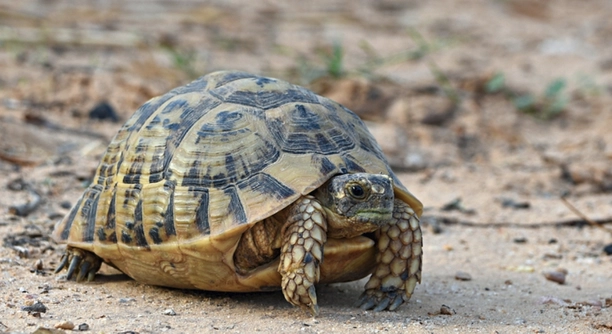
Why Is My Russian Tortoise Suddenly Avoiding Its Favorite Foods?

Has your Russian tortoise suddenly lost interest in its favorite foods? A shift in appetite can be concerning, but it may have a simple explanation that requires understanding of their natural behaviors and health. The main reason a Russian tortoise might avoid its favorite foods is stress, illness, or changes in their environment. These factors … Read more
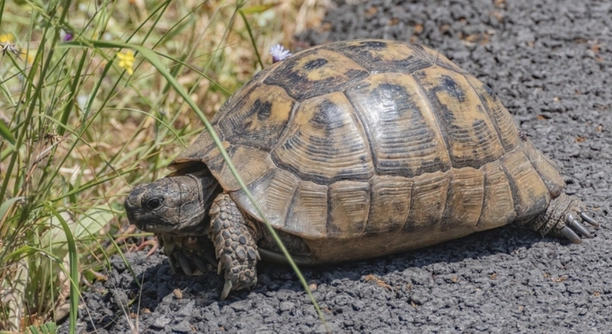
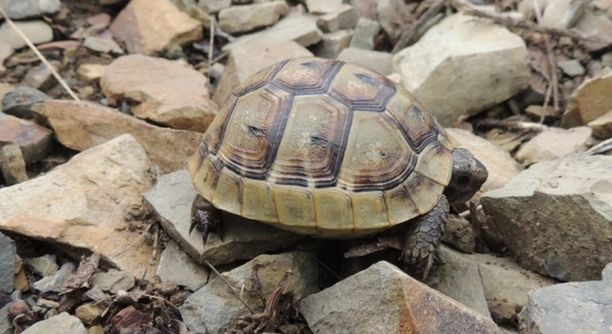
7 Best Substrates for a Healthy Russian Tortoise Habitat

Creating the right habitat for your Russian tortoise involves choosing the best substrate. The right material can provide comfort, cleanliness, and promote natural behaviors for your pet, ensuring a healthier environment. The best substrates for a Russian tortoise habitat are those that promote good drainage, are easy to clean, and provide a natural, safe surface … Read more

How to Encourage a Russian Tortoise to Be More Social

Russian tortoises are wonderful pets, but they can be shy. Understanding their behavior and creating a comfortable environment is essential for encouraging them to become more social and interact with their owners in a meaningful way. Encouraging a Russian tortoise to be more social requires a calm, patient approach. Providing them with a safe, enriching … Read more

Why Does My Russian Tortoise Keep Climbing on Other Tortoises?

Russian tortoises are often seen climbing on each other. This behavior can be puzzling for tortoise owners, especially when it’s frequent or seems excessive. Understanding why this happens can help address any concerns. Tortoises may climb on each other as a natural response to dominance, territorial behavior, or mating instincts. These actions can also be … Read more

7 Reasons Why Your Russian Tortoise Is Making Clicking Sounds

Russian tortoises are unique creatures, and observing their behavior can provide insights into their well-being. Clicking sounds may indicate certain health or environmental factors at play. Understanding the causes can help ensure their comfort. Clicking sounds in Russian tortoises are often caused by respiratory issues or the presence of an obstruction in their airways. Additionally, … Read more

How to Make a DIY Russian Tortoise Hideout

Building a DIY hideout for your Russian tortoise can provide them with a comfortable and secure space in their habitat. A hideout helps them feel safe and encourages their natural behaviors. Creating one is simple and fun. To make a DIY Russian tortoise hideout, you need materials like wood, rocks, or plastic to build a … Read more

7 Ways to Spot an Allergic Reaction in Russian Tortoises

Allergic reactions in Russian tortoises can be tricky to spot. Identifying these reactions early is essential for their well-being. If you have a Russian tortoise as a pet, knowing how to recognize signs of allergies is key. The main signs of an allergic reaction in Russian tortoises include swelling, changes in skin color, difficulty breathing, … Read more

Why Does My Russian Tortoise Keep Biting Its Own Legs?

Russian tortoises are fascinating pets with unique behaviors, but sometimes they can exhibit strange actions, like biting their own legs. If you’ve noticed this behavior, you’re likely concerned about what’s going on with your pet. Russian tortoises may bite their legs for various reasons, including stress, boredom, or medical issues like skin irritation or parasites. … Read more