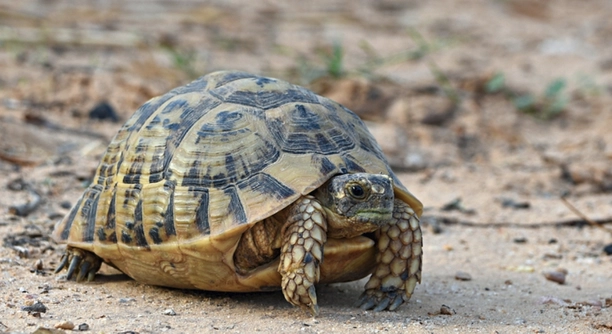
How to Stop a Russian Tortoise From Biting Its Own Legs

Russian tortoises may sometimes bite their own legs, which can be concerning. This behavior can stem from various factors, including stress, habitat issues, or health concerns. Understanding the cause of this action is key to stopping it. To stop a Russian tortoise from biting its own legs, it’s important to address the underlying issues. Ensure … Read more
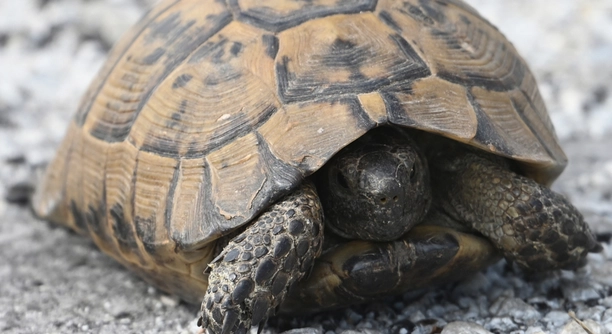
Why Is My Russian Tortoise Laying in Its Water Bowl?

If your Russian tortoise is lying in its water bowl, it can be concerning. Understanding why this behavior occurs is important to maintaining your tortoise’s health and ensuring its well-being in its environment. The primary reason your Russian tortoise may be lying in its water bowl is due to overheating or dehydration. Tortoises often seek … Read more

7 Simple Ways to Improve Your Russian Tortoise’s Habitat

Creating a comfortable habitat for your Russian Tortoise is essential for its health and well-being. Small adjustments can make a big difference in its environment. Making the right changes helps provide a happier and healthier life for your tortoise. Improving your Russian Tortoise’s habitat can be achieved through basic modifications such as adjusting lighting, temperature, … Read more

How to Tell If Your Russian Tortoise Is Getting Enough UVB Light

Russian tortoises rely on UVB light for proper health and growth. This essential component ensures they can produce vitamin D3, which aids in calcium absorption, promoting strong bones and overall well-being. The primary way to ensure your Russian tortoise is getting enough UVB light is by providing a UVB light source that covers a large … Read more

Why Is My Russian Tortoise Trying to Climb the Walls?

Sometimes, you might notice your Russian tortoise trying to climb the walls of its enclosure. While this behavior can seem strange, it can stem from a few different factors that affect their environment and health. Russian tortoises may try to climb walls due to factors such as insufficient space, improper environmental conditions, or the presence … Read more

7 Things That Could Be Making Your Russian Tortoise Lethargic

Russian tortoises are active and curious creatures, but when they become lethargic, it can be concerning. Several factors may cause a decline in their energy levels. Understanding these factors can help you keep your tortoise healthy and happy. The main causes of lethargy in Russian tortoises are improper temperature, insufficient UVB light, poor diet, and … Read more

How to Set Up the Perfect Hibernation Spot for a Russian Tortoise

Creating the right environment for your Russian tortoise’s hibernation is essential for its well-being. A comfortable, safe spot will support a peaceful and successful hibernation. The setup can greatly influence your tortoise’s health during this period. The ideal hibernation spot for a Russian tortoise should include a cool, dry area with consistent temperatures between 40-50°F. … Read more

Why Does My Russian Tortoise Keep Pushing Its Food Away?

Is your Russian tortoise pushing its food away, leaving you confused? This behavior may be puzzling, but it’s important to understand why it happens and how to address it properly. Russian tortoises may push their food away due to various factors, including stress, dietary preferences, or health issues. Sometimes, environmental conditions like temperature or food … Read more

7 Easy Fixes for an Overly Dry Russian Tortoise Shell

Russian tortoises are known for their hard, protective shells, but when their shells become overly dry, it can be concerning. A dry shell may indicate that the tortoise isn’t receiving the proper care it needs to stay healthy. The main cause of an overly dry Russian tortoise shell is insufficient humidity or improper environmental conditions. … Read more

How to Keep a Russian Tortoise’s Enclosure From Smelling Bad

A clean and fresh-smelling enclosure is important for the health and happiness of your Russian tortoise. Keeping their living space odor-free ensures they stay comfortable and enjoy their environment. It’s a simple task once you know how. The best way to prevent odors in a Russian tortoise’s enclosure is by maintaining regular cleaning habits. Remove … Read more