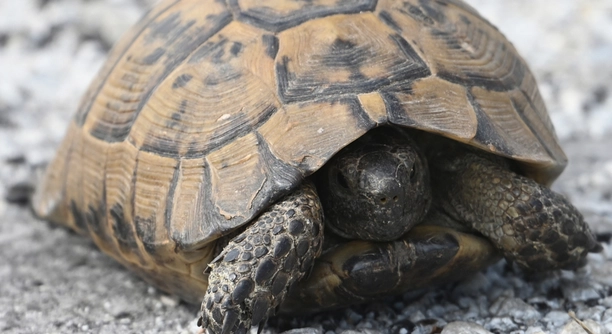
Why Is My Russian Tortoise Acting Different After Hibernation?

After hibernation, your Russian tortoise may exhibit different behaviors, leaving you wondering if there is a cause for concern or just a natural shift in routine. Changes can be linked to their adjustment period after waking. The most common reason for a Russian tortoise’s altered behavior after hibernation is the need to acclimate back to … Read more

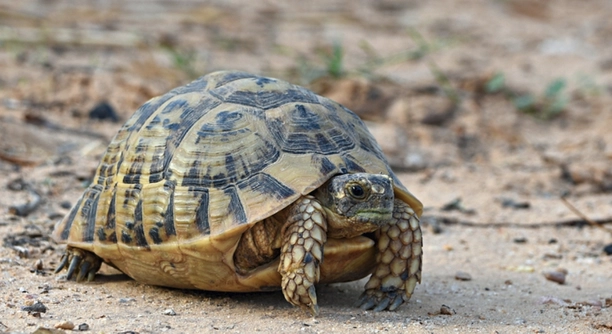
7 Signs Your Russian Tortoise Is Enjoying Its Habitat

Is your Russian tortoise thriving in its habitat, or do you worry about its comfort? A well-maintained enclosure ensures your pet remains active and healthy. Recognizing key signs of contentment can help you determine if adjustments are necessary. A Russian tortoise enjoying its habitat will display consistent activity, a healthy appetite, and natural behaviors such … Read more

How to Prevent Your Russian Tortoise From Eating Inedible Objects

Is your Russian tortoise eating inedible objects, leaving you concerned about its health? This behavior, known as pica, can lead to serious digestive issues. Understanding the causes and prevention methods is essential for keeping your tortoise safe and healthy. The most effective way to prevent your Russian tortoise from eating inedible objects is by providing … Read more

Why Is My Russian Tortoise Breathing Heavily?

A Russian tortoise’s breathing pattern can provide valuable insight into its health. If you’ve noticed heavy breathing, it’s important to observe other symptoms to determine the cause and ensure your tortoise’s well-being. Heavy breathing in Russian tortoises can be caused by several factors, including stress, respiratory infections, or environmental issues such as improper humidity and … Read more

How to Create the Ideal Temperature Gradient for a Russian Tortoise

Creating the ideal temperature gradient for your Russian Tortoise is essential for their health and well-being. It ensures they can regulate their body temperature and carry out natural behaviors like basking and digging. The best way to achieve a proper temperature gradient is by setting up areas that vary in temperature. The basking area should … Read more

Why Does My Russian Tortoise Keep Trying to Hide in Corners?

Russian tortoises are often observed hiding in corners of their enclosures. This behavior may seem odd, but it’s actually quite common among these reptiles. Understanding why your tortoise seeks these hidden spots can provide valuable insight into their needs. The most common reason your Russian tortoise hides in corners is related to its natural instincts. … Read more

7 Common Lighting Mistakes Russian Tortoise Owners Make

Many Russian tortoise owners may overlook the importance of proper lighting in creating the ideal habitat for their pets. Lighting affects their health, behavior, and overall well-being. Making the right choices can lead to a happy and thriving tortoise. Common lighting mistakes often include improper UVB exposure, inadequate basking spots, and using the wrong type … Read more

How to Spot Early Signs of Illness in a Russian Tortoise

Is your Russian tortoise acting differently or showing subtle changes in behavior? Spotting early signs of illness is essential for keeping your pet healthy and ensuring timely care. Paying attention to small details can make a big difference. Common early signs of illness in a Russian tortoise include lethargy, loss of appetite, wheezing, swollen eyes, … Read more

Why Is My Russian Tortoise Ignoring Its Food?

Is your Russian tortoise ignoring its food, leaving you concerned about its health? This behavior can be frustrating, especially when you are providing what seems like the right diet. Understanding why this happens can help you take the right steps. A Russian tortoise may refuse food due to improper temperatures, dehydration, illness, or stress from … Read more