
Why Does My Russian Tortoise Keep Trying to Escape?

Russian tortoises are fascinating creatures, known for their playful nature and unique behaviors. It can be surprising to notice your tortoise trying to escape from its enclosure, especially if it seems content in its space. The primary reason your Russian tortoise may be attempting to escape is due to natural instincts for exploration. Tortoises are … Read more
7 Best Ways to Make a Russian Tortoise Feel Safe

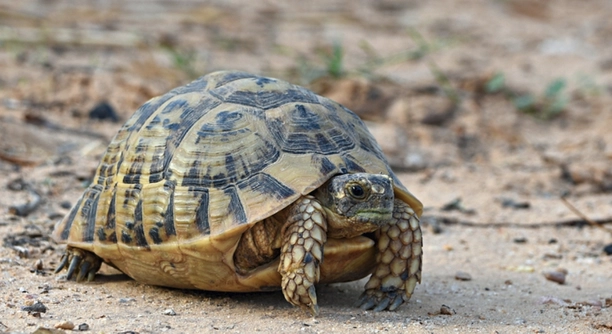
Russian tortoises are gentle creatures, but they need certain things to feel safe and secure in their environment. Creating a safe space for them is key to their well-being. Understanding their needs will help you take the best care of them. The best ways to make a Russian tortoise feel safe include providing a calm … Read more

How to Prevent Mites and Parasites in a Russian Tortoise Tank

Mites and parasites can cause serious health problems for your Russian tortoise. Keeping their tank clean and properly maintained is key to preventing these issues. Ensuring a healthy living environment will keep your tortoise safe and comfortable. Preventing mites and parasites in a Russian tortoise tank involves regular tank cleaning, maintaining proper humidity and temperature … Read more

Why Is My Russian Tortoise Acting More Shy Than Usual?

If you notice your Russian tortoise acting shyer than usual, it can be concerning. Tortoises are generally calm, but changes in behavior may indicate underlying issues. Understanding the reasons behind this behavior can help ensure their well-being. Russian tortoises may become more shy due to factors such as changes in their environment, stress, illness, or … Read more

7 Signs Your Russian Tortoise Might Need a Vet Visit

Russian tortoises are beloved pets, but sometimes their health can be challenging to monitor. It’s important to understand the signs that might indicate they need medical attention. Knowing when to seek help can prevent bigger issues. If your Russian tortoise is showing signs of lethargy, abnormal behavior, or changes in appetite or weight, it may … Read more

How to Improve the Airflow in a Russian Tortoise Enclosure

Maintaining proper airflow in a Russian tortoise enclosure is essential for their health and comfort. Without it, issues like humidity buildup can arise, leading to respiratory problems. The right ventilation will make a noticeable difference in their well-being. The primary solution for improving airflow is adding vents or mesh panels to your tortoise’s enclosure. Ensure … Read more

Why Does My Russian Tortoise Keep Stretching Its Neck?

Russian tortoises may display neck-stretching behavior for various reasons. Understanding this habit can provide insight into their needs and help improve their care. This behavior is relatively common among these reptiles and can be linked to different factors. Neck stretching in Russian tortoises is typically a sign of seeking attention, a response to their environment, … Read more

7 Easy Ways to Encourage Natural Behaviors in a Russian Tortoise

Russian tortoises are fascinating creatures with unique behaviors. Understanding how to encourage their natural instincts is essential for their well-being. This guide explores simple methods to support your tortoise’s natural behaviors and provide a healthy environment. Encouraging natural behaviors in a Russian tortoise involves providing an enriched habitat that mimics their natural environment. This includes … Read more

How to Spot an Overweight Russian Tortoise

It’s important to monitor the health of your Russian tortoise, especially when it comes to maintaining a healthy weight. Overweight tortoises can face various health issues, so knowing how to spot one is crucial. Overweight Russian tortoises exhibit visible signs such as a rounded, bulging shell, thicker limbs, and sluggish movements. Excess weight can strain … Read more

Why Is My Russian Tortoise Losing Interest in Its Food?

A Russian tortoise losing interest in its food can be concerning. It’s important to understand the reasons behind this behavior, as it may be related to changes in health, environment, or diet. Addressing this issue requires attention to various factors. A common cause for a Russian tortoise’s reduced appetite is stress, often triggered by environmental … Read more