7 Best Supplements for Russian Tortoise Health

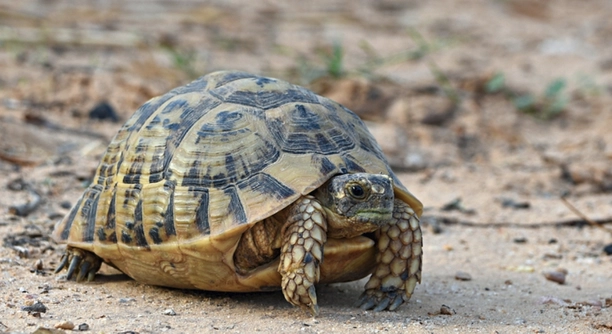
If you have a Russian tortoise, you may wonder how to keep it healthy and thriving. Supplements can play a key role in supporting its overall well-being and helping to prevent common health issues. Selecting the right supplements for your Russian tortoise is essential for providing the nutrients needed for growth, vitality, and immunity. These … Read more
How to Train a Russian Tortoise to Recognize Its Owner

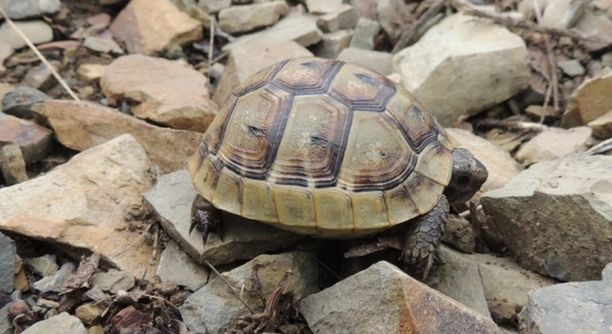
Russian tortoises are wonderful pets that can form strong bonds with their owners. Training them to recognize you is an enjoyable way to enhance your connection. Understanding the process can make the experience more rewarding for both you and your pet. Training a Russian tortoise to recognize its owner involves consistent interaction, positive reinforcement, and … Read more

Why Is My Russian Tortoise’s Shell Turning White?

If your Russian tortoise’s shell is turning white, it can be concerning. This change in color can indicate various issues, including health concerns or environmental factors that need attention to ensure your tortoise remains healthy and comfortable. The most common cause of a white shell in a Russian tortoise is a fungal or bacterial infection. … Read more

7 Common Causes of Shell Discoloration in Russian Tortoises

Is your Russian tortoise’s shell starting to look unusual, with strange colors or markings appearing over time? Shell discoloration can be a sign of underlying health issues, environmental problems, or dietary deficiencies that need to be addressed. The most common causes of shell discoloration in Russian tortoises include fungal infections, bacterial shell rot, improper diet, … Read more

How to Tell If a Russian Tortoise Is in Pain

Is your Russian tortoise acting differently, making you wonder if something is wrong? Recognizing signs of pain in these reptiles is crucial for their well-being. Subtle behavioral and physical changes can indicate discomfort, requiring close observation and prompt care. A Russian tortoise in pain may exhibit lethargy, lack of appetite, labored breathing, or unusual postures. … Read more

7 Best Substrates for a Healthy Russian Tortoise Habitat

When setting up a habitat for a Russian tortoise, choosing the right substrate is essential for their comfort and health. It’s important to select a material that mimics their natural environment and helps maintain proper humidity and temperature. The best substrates for a Russian tortoise habitat include options like organic soil, coconut coir, and sand. … Read more

How to Keep a Russian Tortoise Safe from Household Pets

Russian tortoises are gentle creatures that thrive in calm, safe environments. Protecting them from potential harm, especially from household pets, is crucial for their well-being. Keeping your tortoise safe requires simple yet effective precautions. To keep your Russian tortoise safe from household pets, create a secure, separate living space for your tortoise. Ensure the enclosure … Read more

Why Is My Russian Tortoise Making Noises While Breathing?

A Russian tortoise may make noises while breathing, which can concern owners. These sounds could be a sign of various issues, from environmental factors to health problems. It’s important to observe their behavior carefully for signs of distress. The most common cause of breathing noises in Russian tortoises is a respiratory infection, often due to … Read more

7 Reasons Your Russian Tortoise Might Be Losing Weight

Russian tortoises are popular pets known for their calm nature. However, if you notice your tortoise losing weight, it’s essential to understand what could be causing this change. Identifying the root cause can help maintain their well-being. Weight loss in Russian tortoises can occur due to various factors, including poor diet, stress, underlying health conditions, … Read more