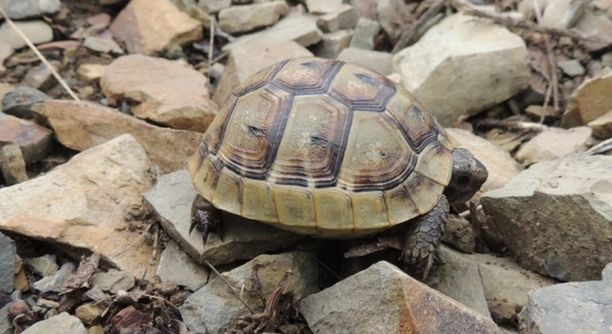
Why Does My Greek Tortoise Keep Pushing Its Substrate? (+7 Causes)

Greek tortoises are fascinating creatures, but if you’ve noticed your tortoise constantly pushing its substrate, you might wonder why it’s doing this. Understanding the reasons behind this behavior can help improve its environment and health. Your Greek tortoise may push its substrate for various reasons, including instinctual digging, exploring, searching for food, or trying to … Read more

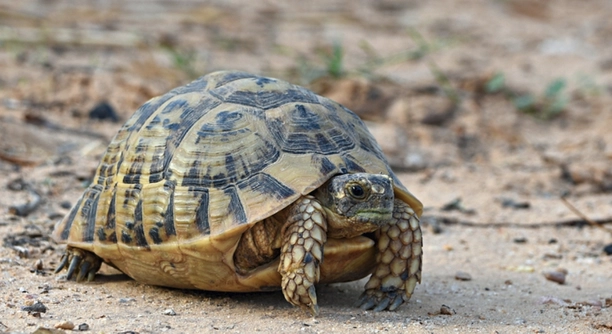
7 Steps to Help a Sick Greek Tortoise Recover

A sick Greek tortoise can be a cause for concern. Recognizing the signs early and knowing how to help can make a big difference in their recovery. Here are steps to support your tortoise and guide them to better health. To help a sick Greek tortoise recover, you must first assess its condition, create a … Read more

Why Is My Greek Tortoise Refusing to Use Its Hide? (+7 Causes)

Greek tortoises are known for their curious nature and unique behaviors, but sometimes they may refuse to use their hide. Understanding why this happens is key to ensuring your tortoise’s well-being. A variety of factors can influence why your Greek tortoise avoids its hide, such as environmental conditions, stress, or health issues. Addressing these causes … Read more

7 Common Causes of Skin Infections in Greek Tortoises

Skin infections can affect Greek tortoises, often leading to discomfort and health concerns. Understanding the causes can help in preventing these infections and ensuring a healthier, more comfortable life for your pet tortoise. Common causes of skin infections in Greek tortoises include improper humidity levels, unsanitary living conditions, and injuries. Additionally, poor diet, bacterial or … Read more

Why Does My Greek Tortoise Keep Rubbing Its Neck on Rocks? (+7 Causes)

Greek tortoises may rub their necks on rocks for various reasons, from natural behaviors to health-related concerns. Understanding these actions is crucial to ensuring the well-being of your pet. This article explores common causes for this behavior. The primary reason your Greek tortoise rubs its neck on rocks may be due to natural grooming habits … Read more

7 Simple Ways to Boost Your Greek Tortoise’s Activity

Keeping your Greek tortoise active is essential for their overall well-being. If you’ve noticed that your tortoise seems less energetic, there are a few simple steps to help encourage movement and play. Boosting your Greek tortoise’s activity involves adjusting their environment, diet, and interaction with you. Providing a stimulating habitat, offering variety in food, and … Read more

Why Is My Greek Tortoise Breathing With Its Mouth Open? (+7 Causes)

A Greek tortoise breathing with its mouth open can be a sign of various health issues. It’s important to understand the potential causes behind this behavior to ensure your pet’s well-being. The most common reasons for a Greek tortoise to breathe with its mouth open include respiratory infections, stress, or overheating. Other potential causes may … Read more

7 Safe Fruits for Greek Tortoises (+Serving Tips)

Greek tortoises require a diet rich in natural foods for optimal health. Offering a variety of fruits can enhance their diet, but some fruits are safer than others. Understanding which ones to offer is key to their well-being. Greek tortoises can safely eat fruits such as apples, strawberries, and figs. These fruits provide essential vitamins … Read more

7 Signs Your Greek Tortoise Is Overheating

When caring for a Greek tortoise, it’s important to monitor their health and well-being. Overheating can be a serious concern, especially during warmer months. Recognizing the signs of overheating early can help keep your tortoise safe and comfortable. Overheating in Greek tortoises often occurs due to excessive exposure to heat or inadequate shelter. Signs include … Read more