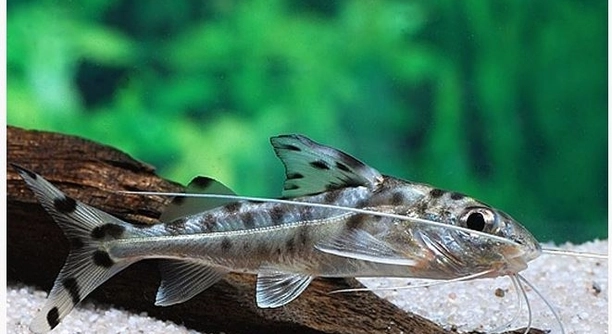
Should You Use a Timer for Feeding Pictus Catfish?
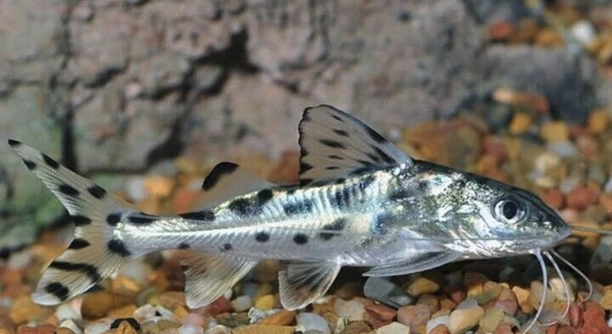
Feeding Pictus catfish can be a rewarding part of aquarium care. These active fish have specific dietary needs and feeding habits that keep them healthy and happy. Understanding the best way to feed them is important for their well-being. Using a timer for feeding Pictus catfish can provide consistency and prevent overfeeding. Automated feeding helps … Read more
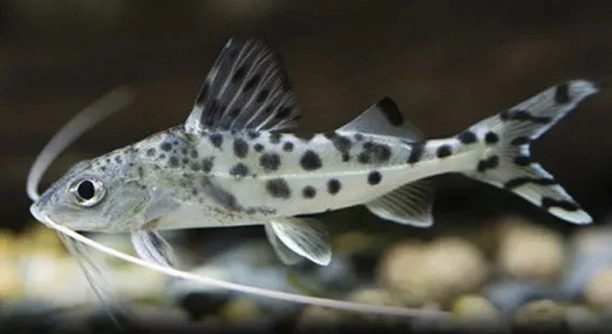
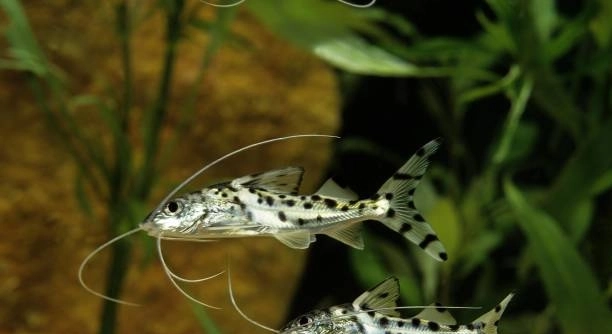
7 Myths About Pictus Catfish Behavior

Many people enjoy keeping Pictus Catfish as pets due to their unique appearance and behavior. However, there are several misunderstandings about how these fish act in home aquariums. Clearing up these myths can improve care and appreciation for this species. Pictus Catfish behavior is often misinterpreted, with myths suggesting they are overly aggressive, nocturnal only, … Read more

How to Tell If Pictus Catfish Are Competing for Space

Many fish owners enjoy keeping pictus catfish because of their lively behavior and striking appearance. However, these fish sometimes compete for space in community tanks. Recognizing when they are competing is important for maintaining a peaceful aquarium environment. Pictus catfish exhibit territorial behavior when space is limited, often resulting in chasing, nipping, or blocking access … Read more

7 Tank Decor Mistakes to Avoid

Are your aquarium decorations looking more cluttered than calming, or leaving your fish confused and stressed instead of comfortable and safe? The most common tank decor mistakes often involve overcrowding, using unsafe materials, or ignoring your fish’s natural behaviors. These choices can negatively affect water quality, limit swimming space, and create long-term stress for your … Read more

What Happens If You Skip Water Changes?

Skipping regular water changes can quietly harm your aquarium’s health. Many fish owners might not realize how important fresh water is for keeping their aquatic pets happy and safe. This simple task supports a balanced and thriving environment. Neglecting water changes leads to a buildup of toxins like ammonia and nitrates, which can stress or … Read more

Can Pictus Catfish Outgrow Their Tank Too Fast?

Pictus catfish are a popular choice for freshwater aquariums due to their lively behavior and manageable size. Many hobbyists enjoy watching these active fish glide through their tanks. However, their growth rate often raises concerns among aquarium owners. Pictus catfish can outgrow their tanks quickly if given optimal conditions, such as a spacious environment and … Read more

Do Pictus Catfish Need Plants to Feel Safe?

Pictus catfish are popular freshwater fish known for their active swimming and peaceful nature. Many aquarium owners wonder about the best way to create a comfortable environment for these fish. Understanding their needs helps ensure a healthy and happy tank. Pictus catfish do not strictly require plants to feel safe, but the presence of plants … Read more

7 Tank Upgrades That Keep Pictus Catfish Healthier

Pictus catfish are popular aquarium fish known for their active nature and peaceful temperament. Keeping them healthy requires a well-maintained environment that supports their natural behavior. Many hobbyists look for ways to improve their tank setup for these unique fish. Upgrading a tank with better filtration, proper lighting, hiding spots, and appropriate water flow helps … Read more

Are Pictus Catfish Known for Digging or Burrowing?

Are your aquariums home to lively Pictus catfish with their striking spots and long whiskers? These fish are popular for their active behavior and add charm to many freshwater tanks. They often catch the attention of fishkeepers everywhere. Pictus catfish are known to dig occasionally but are not true burrowers. They use their barbels and … Read more

7 Ways to Prevent Whisker Injuries

Whiskers play an important role for many animals, helping them sense their environment and stay safe. However, these delicate hairs can be easily injured if not properly cared for. Preventing whisker injuries is essential for their well-being. Preventing whisker injuries involves gentle handling, avoiding tight collars or harnesses, maintaining a safe environment free of sharp … Read more