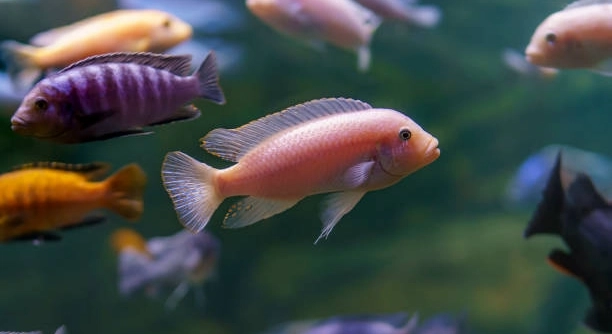
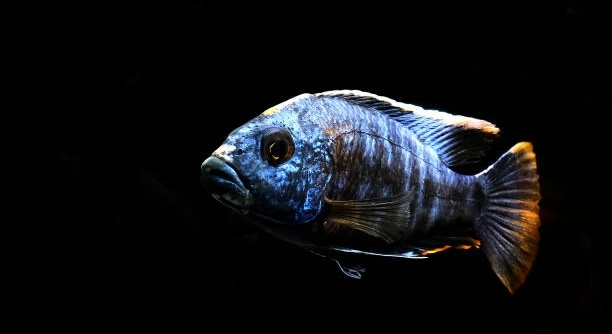
7 Quick Ways to Tell if a Cichlid Tank Is Overcrowded
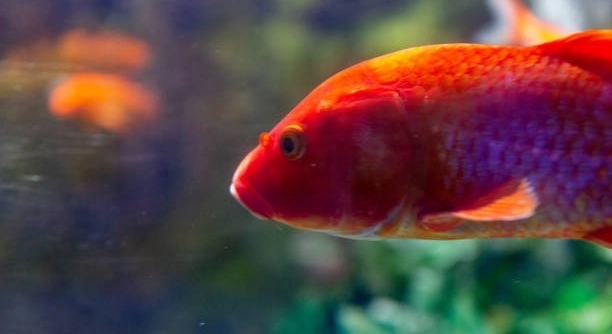
Cichlids are popular freshwater fish, known for their vibrant colors and lively behavior. Many aquarists enjoy keeping them in home tanks to create a beautiful underwater display. However, managing the right number of fish in the tank is essential for their health and wellbeing. Overcrowding in a cichlid tank occurs when there are too many … Read more
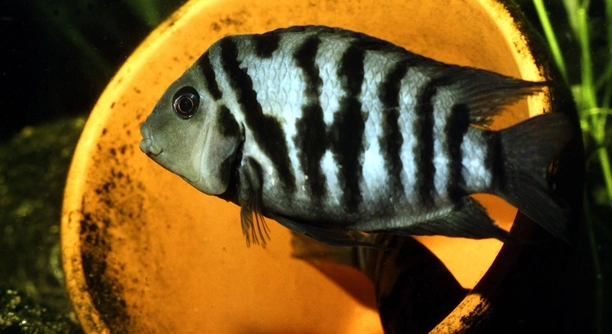
7 Signs Your African Cichlid Is Getting Bullied

Are your African cichlids showing signs of stress or injury? Sometimes, these colorful fish face aggression from tank mates, which can affect their health and behavior. Recognizing bullying early is important for a happy aquarium environment. African cichlid bullying is marked by physical injuries, hiding behavior, loss of appetite, and reduced activity. These signs indicate … Read more

Are African Cichlids Emotionally Complex?

Have you ever watched your African cichlids closely and wondered if their quirky behaviors reflect deeper emotional responses or social connections? African cichlids show signs of emotional complexity through behaviors like bonding, aggression, and cooperation. Scientific research supports the idea that these fish experience mood shifts, recognize individuals, and exhibit social intelligence in group dynamics. … Read more

7 Things That Make Cichlids Hide More

Cichlids are colorful and active fish, but sometimes they tend to hide more than usual. Understanding why they do this can help owners create a better environment. This article explains common reasons behind their increased hiding behavior. Cichlids hide more due to stress factors such as poor water quality, lack of hiding spots, aggressive tank … Read more

7 Myths About African Cichlid Tank Mates

African cichlids are popular aquarium fish known for their bright colors and lively behavior. Many hobbyists enjoy keeping them but often struggle with choosing the right tank mates. Misunderstandings about their compatibility can cause problems in the tank. There are several common myths about African cichlid tank mates that often lead to incorrect assumptions. These … Read more

Can African Cichlids Coexist With Shrimp?

Do you ever find yourself trying to create a peaceful tank but worry about mixing the wrong species together? African cichlids are generally not compatible with shrimp due to their aggressive nature and natural tendency to eat smaller tank mates. Tank harmony depends on more than just size or appearance—it’s about behavior, diet, and territory. … Read more

How to Tell a Cichlid Is Nearing Death

Cichlids are popular aquarium fish known for their bright colors and active behavior. Caring for them includes recognizing signs of illness or distress. Knowing when a cichlid is nearing death can help owners respond appropriately and provide comfort. Signs that a cichlid is nearing death include lethargy, loss of appetite, rapid or labored breathing, faded … Read more

Do African Cichlids Sleep at Night?

African cichlids are popular aquarium fish known for their bright colors and lively behavior. Many fish owners wonder how these active creatures spend their nights. Understanding their rest patterns can help improve their care and environment. African cichlids do sleep at night, though their sleep is different from mammals. They enter periods of reduced activity … Read more

How to Get African Cichlids Used to New Decor

African cichlids are colorful, active fish that bring life to any aquarium. Changing their tank decor can affect their behavior and comfort. Introducing new decorations carefully helps keep these fish healthy and stress-free in their environment. The best way to get African cichlids used to new decor is by gradually introducing changes while monitoring their … Read more

Why Do African Cichlids Shake Their Heads?

African cichlids are colorful freshwater fish often seen shaking their heads in aquariums or natural habitats. This behavior can catch the attention of many fish lovers who want to understand what it means. It’s a common and natural action for these lively fish. African cichlids shake their heads primarily to communicate or remove irritants from … Read more