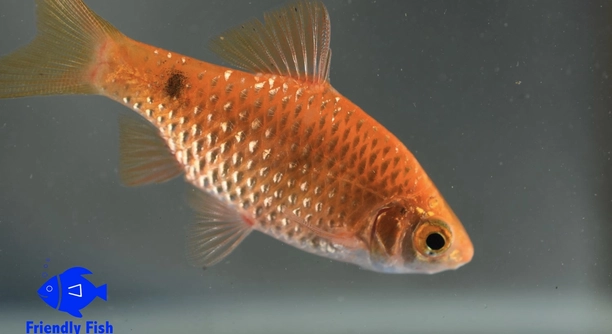
Why Do Rosy Barbs Avoid the Middle of the Tank?
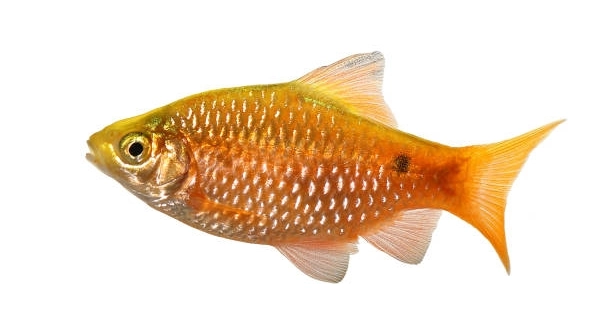
Rosy barbs are popular freshwater fish often kept in home aquariums. Many owners notice these fish avoid the tank’s middle area, preferring edges and corners. This behavior can seem puzzling to new and experienced aquarists alike. Rosy barbs avoid the middle of the tank mainly due to their natural instinct to stay near cover and … Read more
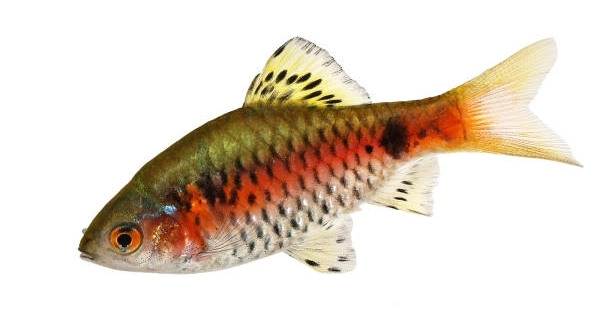
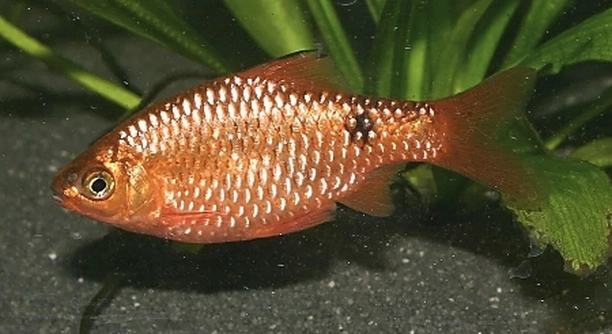
Do Rosy Barbs Prefer Company or Independence?

Rosy Barbs are popular aquarium fish that many hobbyists enjoy keeping. They have bright colors and active behavior, making them interesting pets. Understanding their social needs is important for their health and happiness in home tanks. Rosy Barbs prefer living in groups rather than alone. They are schooling fish that feel safer and more comfortable … Read more

7 Types of Decor Rosy Barbs Enjoy Exploring

Rosy barbs are lively fish that enjoy exploring their surroundings in aquariums. Their natural curiosity makes them interested in various types of decor, which can affect their behavior and well-being. Understanding their preferences helps create a better environment. Rosy barbs typically enjoy exploring seven types of decor: plants, rocks, driftwood, caves, open swimming areas, floating … Read more

Why Do Rosy Barbs Flare Their Fins?

Rosy Barbs are popular freshwater fish known for their vibrant colors and lively behavior. Many aquarists notice these fish flare their fins during various situations. This common display often catches the attention of those caring for them. Rosy Barbs flare their fins primarily as a form of communication. This behavior signals dominance, territorial claims, or … Read more

7 Signs Your Rosy Barb Is Laying Eggs

Rosy barbs are popular freshwater fish known for their bright colors and lively behavior. Many aquarium owners enjoy watching them thrive in home tanks. Understanding their natural habits can improve care and help maintain a healthy environment. When a rosy barb is laying eggs, females display specific physical and behavioral signs such as swollen bellies, … Read more

7 Factors That Influence Breeding Readiness

Breeding readiness in animals depends on several important factors that affect their ability to reproduce successfully. These influences can come from both the environment and the animal’s own condition. Understanding them helps in managing healthy breeding practices. Seven key factors influence breeding readiness, including age, health, nutrition, hormonal balance, environmental conditions, stress levels, and genetic … Read more

Can Rosy Barbs Compete for Filter Outflow?

Do you ever find yourself watching your Rosy Barbs swim near the filter outflow and wonder if they can actually compete with it? Rosy Barbs can handle moderate filter outflow due to their strong swimming abilities. However, excessively strong currents can stress them, impacting their health and behavior. It’s important to assess tank flow and … Read more

7 Simple Ways to Reduce Rosy Barb Tension

Are your Rosy Barbs constantly chasing, nipping, or flaring at each other, leaving your tank more chaotic than calm? The main way to reduce Rosy Barb tension is to keep them in properly sized groups with enough space and enrichment. When housed in balanced numbers and given room to swim, their aggression naturally decreases. A … Read more

7 Tank Setup Ideas That Boost Exploration

Exploring new aquatic environments can be exciting, but the right tank setup is essential for a smooth experience. Having a well-planned tank helps create a safe and stimulating space for aquatic life to thrive. This article offers ideas to enhance your exploration efforts. A tank setup that supports exploration must balance functionality, comfort, and safety. … Read more

7 Clues That Rosy Barbs Are Competing for Space

Are your rosy barbs acting differently, chasing each other more than usual, or spending time in unusual corners of the tank? Rosy barbs often compete for space due to territorial instincts, limited tank size, or environmental stressors. These behaviors typically include chasing, fin nipping, and clustering in specific areas, indicating social hierarchy or discomfort with … Read more