7 Reasons Rosy Barbs Change Color Temporarily
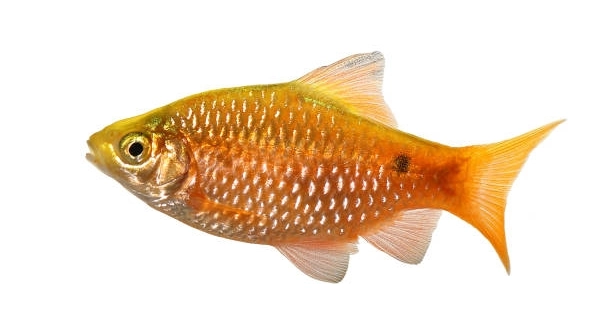
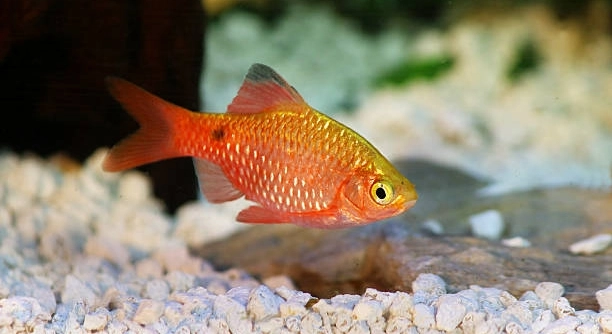
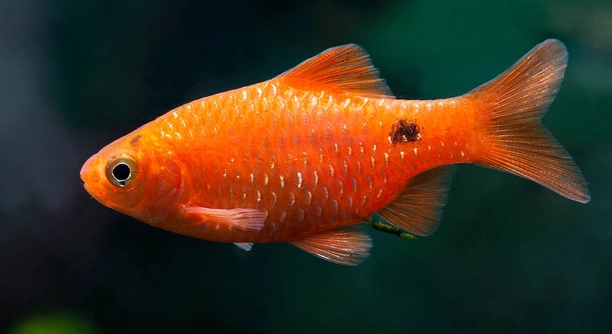
Do your rosy barbs sometimes look bright red one day, then suddenly appear pale or faded the next without warning? Rosy barbs change color temporarily due to various factors, including stress, lighting, breeding behavior, water conditions, and health status. These changes are usually harmless and reflect natural biological responses to their environment or internal state. … Read more
Can Rosy Barbs Be Kept in Low-Light Tanks?

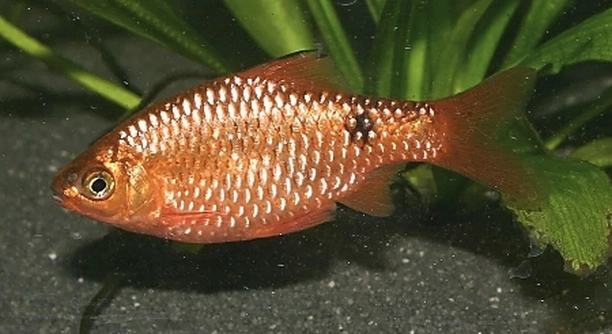
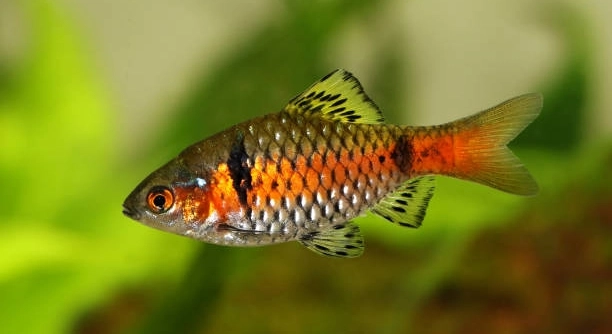
Rosy Barbs are popular freshwater fish known for their bright colors and active nature. Many aquarists enjoy keeping them in home tanks due to their hardy temperament. These fish can adapt to a variety of environments, making them suitable for beginner hobbyists. Rosy Barbs can be kept in low-light tanks, but their coloration and activity … Read more

Can Rosy Barbs Live in Bowls? (Short Answer: No)

Rosy barbs are popular freshwater fish often kept by beginners. Many wonder if these lively fish can thrive in small fish bowls at home. Their vibrant colors and active nature make them a favorite for casual fish keepers. Rosy barbs cannot live healthily in bowls due to limited space, poor oxygen levels, and unstable water … Read more

What Makes Rosy Barbs Chase Light Spots?

Have you ever watched your Rosy Barbs darting around their tank, seemingly chasing little flashes of light across the gravel and plants? Their quick movements can be both amusing and puzzling to observe. Rosy Barbs chase light spots due to a combination of visual stimulation and natural hunting instincts. The moving reflections mimic the glint … Read more

7 Decorations That Spark Curiosity

Are you interested in adding unique touches to your living space that invite exploration? Decorations that spark curiosity can transform any room into a place of wonder. Small details often make the biggest impact on how a space feels. Seven decorations that spark curiosity engage the observer by combining unexpected elements, intriguing shapes, or interactive … Read more

Why Do Rosy Barbs Circle Decorations?

Have you ever watched your rosy barbs swim in circles around tank decorations and wondered if it means something more? Rosy barbs circle decorations due to a mix of natural behavior and environmental stimulation. This activity often reflects their need for exercise, social interaction, or exploration. Sometimes, it can also indicate mild stress or territorial … Read more

7 Things That Might Be Overstimulating Your Fish

Many fish owners enjoy watching their pets thrive in home aquariums. Sometimes, fish behave strangely or seem stressed without clear reasons. Understanding what might be overwhelming your fish helps create a calm and healthy environment. Overstimulation in fish often results from too much noise, bright lights, overcrowding, or constant changes in their tank. These factors … Read more

7 Hiding Spots Rosy Barbs Always Find First

Have you ever set up the perfect tank only to notice your rosy barbs always rush to the same few hiding spots? Rosy barbs instinctively seek out areas that offer shelter, security, and low light. They are drawn to natural formations like dense plants, rock caves, and driftwood, where they feel safe from stress and … Read more

7 Decorations Rosy Barbs Love to Swim Through

Rosy Barbs are lively fish that enjoy swimming through their environment. Creating the right decorations in their tank helps them feel comfortable and active. This article explores decorations that encourage their natural swimming behavior. Providing decorations like tall plants, driftwood, open spaces, and smooth rocks supports Rosy Barbs’ swimming habits. These elements offer hiding spots, … Read more

7 Breeding Behaviors You Might Overlook

Breeding behaviors are often subtle and easy to miss in animals. Many signs go unnoticed even by experienced observers. Understanding these can improve care and help support healthy reproduction. Certain breeding behaviors are overlooked because they occur quietly or sporadically. These include body language, changes in routine, and subtle vocalizations. Recognizing these behaviors is essential … Read more