7 Reasons Rosy Barbs Nip Fins (+How to Stop It)
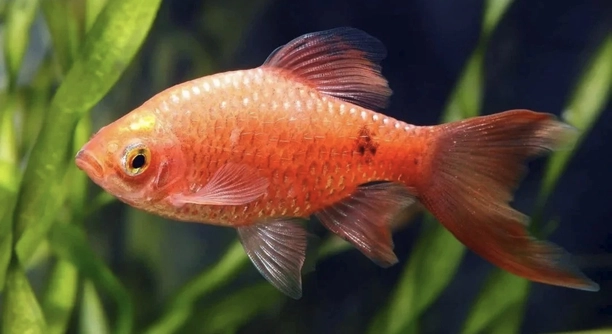
Are your Rosy Barbs nipping at other fish and causing trouble in your aquarium? You’re not alone in noticing this behavior. It can be frustrating, especially when you’re trying to keep a peaceful tank environment. Rosy Barbs nip fins mainly due to stress, overcrowding, lack of stimulation, or poor tank conditions. This behavior is also … Read more
7 Fast Adjustments for Calmer Rosy Barb Behavior

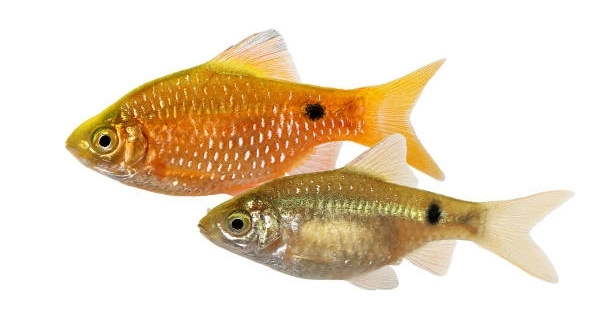
Rosy barbs are popular freshwater fish known for their lively behavior and bright colors. Sometimes, their activity can become overly aggressive or stressful, which may affect their health and tank harmony. Recognizing simple ways to calm them is important for any aquarist. Quick adjustments such as reducing tank crowding, optimizing water quality, providing ample hiding … Read more

7 Reasons Rosy Barbs Might Avoid Plants

Do your rosy barbs seem less interested in the plants you’ve added to their tank, even when everything seems right? Rosy barbs might avoid plants due to a combination of behavioral tendencies, environmental conditions, and individual preferences. Factors such as plant type, tank layout, water quality, and the fish’s activity level can significantly influence their … Read more

7 Mistakes New Owners Make With Rosy Barbs

Have you ever added Rosy Barbs to your aquarium, only to feel unsure about how to properly care for them long-term? These colorful, active fish are popular, but they come with specific needs new owners often overlook. Many new Rosy Barb owners make mistakes such as overcrowding the tank, choosing poor tank mates, or feeding … Read more

What Makes Rosy Barbs Stay Close to the Heater?

Rosy barbs are popular freshwater fish often found in home aquariums. Many owners notice these fish tend to stay close to heaters. This behavior can seem curious but is quite common among rosy barbs in controlled environments. Rosy barbs stay close to heaters mainly because they seek warmth, which helps regulate their body temperature and … Read more

What Makes Rosy Barbs Flick Their Bodies?

Have you ever noticed your rosy barbs flicking their bodies more than usual and wondered what could be causing this behavior? Rosy barbs flick their bodies primarily as a reaction to external irritants such as parasites, poor water quality, or environmental stress. This behavior serves as a physical response to discomfort and is often an … Read more

Do Rosy Barbs Recognize Feeding Tools?

Rosy barbs are popular freshwater fish known for their vibrant colors and active behavior. Many aquarium enthusiasts wonder how these fish respond to their feeding environment and tools used during feeding time. Understanding their recognition of feeding tools can improve care and interaction. Rosy barbs can recognize feeding tools through visual cues and learned associations. … Read more

7 Signs Rosy Barbs Are Exploring Their Territory

Are your Rosy Barbs swimming around more than usual, weaving through plants, or hanging near corners of the tank? Rosy Barbs often explore their territory as a natural behavior linked to curiosity, environmental adjustment, and social interaction. Observing these actions helps owners recognize healthy movement patterns and identify early signs of stress or imbalance. Understanding … Read more

Why Does My Rosy Barb Hide After a Water Change?

Many fish owners enjoy keeping rosy barbs because of their bright colors and active nature. However, it is common to notice these fish hiding after a water change. This behavior can leave aquarists feeling concerned about their pet’s wellbeing. Rosy barbs often hide after a water change due to sudden changes in water conditions such … Read more

How Often Do Rosy Barbs Need Tank Mates?

Rosy Barbs are popular freshwater fish known for their lively colors and peaceful nature. Many aquarium enthusiasts enjoy keeping them because they add movement and charm to tanks. Understanding their social needs helps maintain a healthy and happy environment. Rosy Barbs are schooling fish that require tank mates for social interaction. Ideally, they should be … Read more