7 Reasons Rosy Barbs Linger in One Area
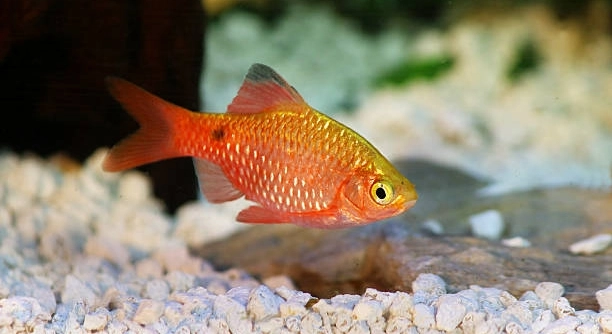
Rosy barbs are colorful fish often seen swimming together in home aquariums. Sometimes, these fish tend to stay in one specific area rather than exploring the whole tank. This behavior can be puzzling for many fish keepers. Rosy barbs linger in one area due to factors such as water temperature, oxygen levels, territorial behavior, availability … Read more
Do Rosy Barbs Prefer Natural or Artificial Plants?

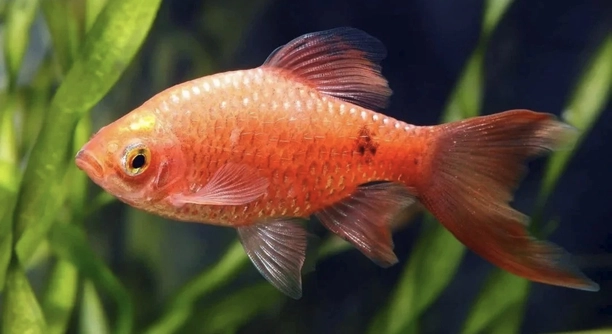
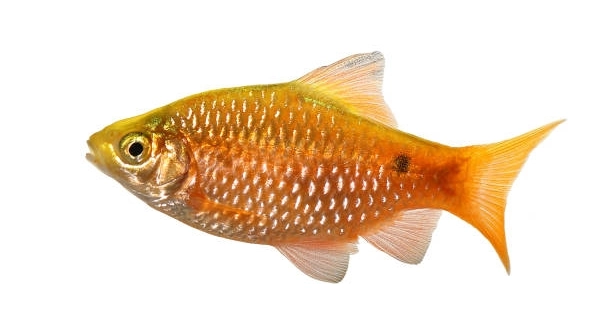
Do Rosy Barbs are popular freshwater fish known for their lively colors and active swimming habits. Many fishkeepers enjoy creating vibrant aquariums that suit their natural behaviors. Choosing the right plants can make a noticeable difference in their environment. Rosy Barbs generally prefer natural plants over artificial ones because natural plants provide hiding spots, improve … Read more

7 Tricks to Make Rosy Barb Watching More Fun

Rosy Barb watching is a relaxing hobby for many fish enthusiasts. It offers a chance to enjoy the colors and behaviors of these lively freshwater fish. Learning a few simple tricks can make the experience even more rewarding. Making Rosy Barb watching more fun involves enhancing their environment, understanding their social behaviors, and using observation … Read more

Do Rosy Barbs Recognize Each Other?

Do you keep rosy barbs in your aquarium and wonder if they recognize one another? These colorful fish often swim in groups, creating a lively underwater community. Their behavior can seem friendly and social to many fishkeepers. Rosy barbs do recognize each other through visual cues and familiar swimming patterns. They form social bonds within … Read more

7 Tank Enemies Rosy Barbs Shouldn’t Live With

Rosy barbs are popular aquarium fish known for their bright colors and peaceful nature. Many hobbyists enjoy keeping them because they adapt well to community tanks. However, not all tankmates are suitable for rosy barbs. Certain aggressive or territorial fish can stress or harm rosy barbs, disrupting their well-being and tank harmony. It is important … Read more

What Makes Rosy Barbs Follow Each Other in Loops?

Rosy barbs are popular freshwater fish often seen swimming together in groups. Their graceful movements and bright colors make them a favorite for many aquarium lovers. Watching them follow each other in loops can be quite mesmerizing. Rosy barbs follow each other in loops due to their natural schooling behavior, which helps protect them from … Read more

7 Surprising Reasons Rosy Barbs Hide

Rosy barbs are popular aquarium fish known for their bright colors and lively behavior. Many fish owners notice these fish often hide, sometimes without a clear reason. Understanding why they do this can improve their care and wellbeing. Rosy barbs hide due to various environmental and social factors including stress, poor water quality, presence of … Read more

What Makes Rosy Barbs Stay Under Decorations?

Rosy Barbs are colorful fish that often attract attention in home aquariums. Many aquarists notice that these fish prefer to stay under decorations rather than swim openly. Understanding this behavior helps create a better environment for them. Rosy Barbs tend to stay under decorations because these areas provide shelter and a sense of security. This … Read more

Why Is My Rosy Barb Digging at the Substrate?

Is your Rosy Barb constantly stirring up the substrate in your aquarium, making you wonder what’s really going on beneath the surface? Rosy Barbs dig at the substrate primarily due to natural foraging behavior, spawning instincts, or environmental stress. This activity can indicate they are searching for food, preparing to breed, or responding to unsuitable … Read more

7 Common Causes of Rosy Barb Tail Damage

Are your Rosy Barbs showing signs of tail damage that seem to be getting worse with time or after tank changes? Tail damage in Rosy Barbs is often caused by aggressive tank mates, fin nipping, poor water conditions, sharp decorations, fin rot, overcrowding, or nutritional deficiencies. Identifying the exact cause is key to preventing further … Read more