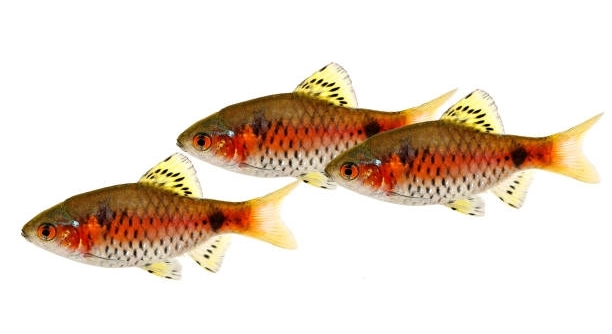
7 Clues You’re Feeding Your Rosy Barb Too Much
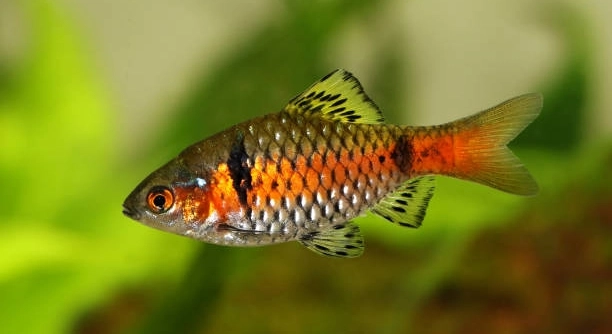
Feeding rosy barbs the right amount is important for their health and well-being. Many fish owners struggle to find the balance between underfeeding and overfeeding. This article will help recognize signs of feeding too much. Overfeeding rosy barbs can lead to poor water quality, increased waste, and health problems such as bloating and lethargy. Identifying … Read more
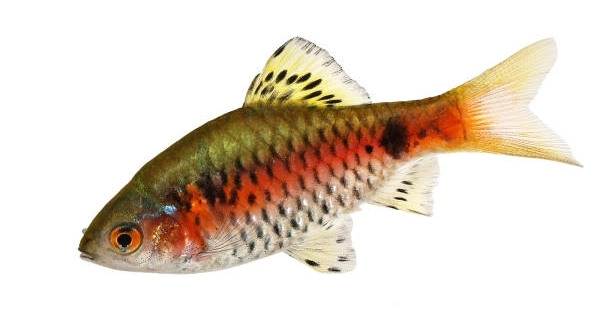
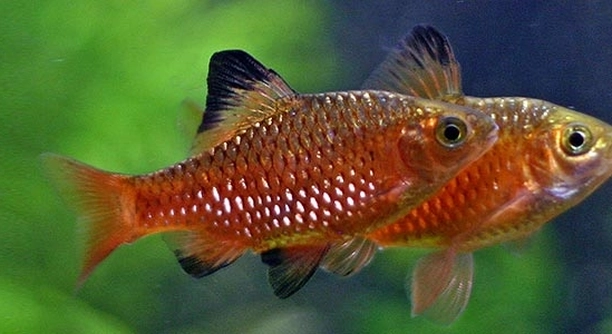
Can Rosy Barbs Tell If They’re Being Watched?

Rosy barbs are popular freshwater fish often kept in home aquariums for their vibrant colors and active behavior. Observing how they react to their surroundings can be quite interesting for fish enthusiasts and pet owners alike. Their behavior may give clues about their awareness. Rosy barbs can detect movement and changes in their environment, which … Read more

7 Odd Swimming Patterns You Shouldn’t Ignore

Swimming patterns can tell a lot about a person’s health and technique in the water. Sometimes, unusual movements might be a sign that something needs attention. Recognizing these odd patterns early can make a difference in safety and performance. Unusual swimming patterns often indicate underlying issues such as muscle imbalances, poor technique, or even neurological … Read more

What Causes a Rosy Barb to Suddenly Hide?

Have you ever noticed your rosy barb suddenly acting shy and hiding in the corner of the tank for long periods? The most common reason a rosy barb suddenly starts hiding is stress, often caused by environmental changes, poor water quality, or aggressive tank mates. Identifying and correcting these stressors can help restore normal behavior. … Read more

7 Surprising Things Rosy Barbs Will Nibble On

Rosy barbs are popular freshwater fish known for their vibrant colors and lively behavior. Many aquarium enthusiasts enjoy watching them swim and interact in community tanks. Understanding their eating habits can help maintain a healthy and balanced environment. Rosy barbs nibble on a variety of foods including algae, plant matter, small insects, and even leftover … Read more

Can Rosy Barbs Be Territorial Toward Decorations?

Rosy Barbs are popular freshwater fish that add color and life to many home aquariums. These lively swimmers often interact with their environment, including plants and decorations. Their behavior around these items can sometimes surprise new fish keepers. Rosy Barbs may show mild territorial behavior toward aquarium decorations, especially during breeding or when establishing dominance. … Read more

Why Are My Rosy Barbs Avoiding Each Other?

Are your rosy barbs spending more time apart instead of swimming together like they used to? This behavior can seem confusing at first. Understanding what’s behind the change can help you create a better environment for them. Rosy barbs may avoid each other due to stress, poor water conditions, illness, or an imbalanced group dynamic. … Read more

How Do Rosy Barbs Communicate? (7 Clues)

Do you ever find yourself watching your rosy barbs and wondering if there’s more to their movement than just swimming around? Rosy barbs communicate using body movements, color changes, fin displays, and subtle social behaviors. These signals help them establish dominance, attract mates, and coordinate schooling. Environmental cues and tank dynamics also influence how they … Read more

What Makes Rosy Barbs Choose Their Territory?

Rosy barbs are small, colorful fish that often brighten up home aquariums. They tend to pick specific spots within their tanks to live and swim around. Understanding why they choose certain areas helps us care for them better. Rosy barbs select their territory based on factors like water flow, availability of hiding spots, and proximity … Read more

What Makes Rosy Barbs Flick Their Tails Rapidly?

Rosy barbs are popular freshwater fish known for their lively behavior and bright colors. One common action they display is flicking their tails rapidly. This movement often catches the eye of aquarium enthusiasts and raises interest in its causes. Rapid tail flicking in rosy barbs is primarily a response to environmental stimuli such as stress, … Read more