7 Easy Ways to Enrich a Tiger Barb’s Life

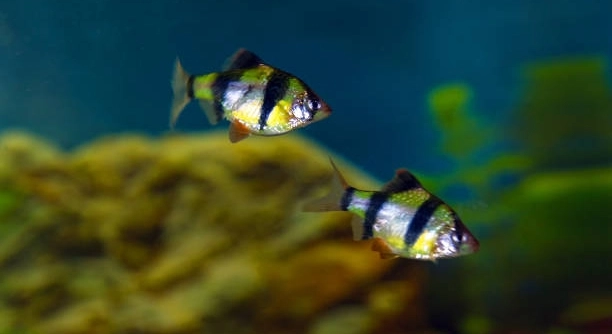
Caring for tiger barbs means more than just feeding and cleaning their tank. These lively fish need an engaging environment to stay healthy and active. Enriching their lives can improve their behavior and overall well-being. Creating a stimulating habitat involves adding plants, hiding spots, varied tank decorations, and opportunities for natural behaviors. Proper enrichment supports … Read more
Can Tiger Barbs Be Taught to Trust You?

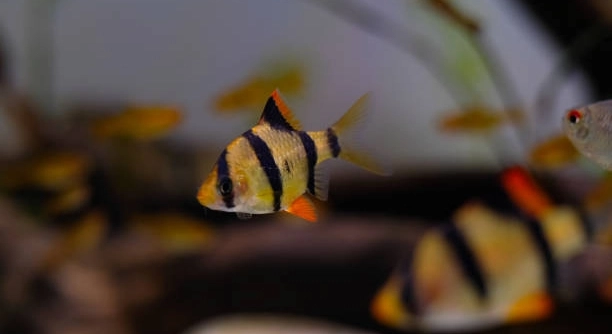
Have you ever found yourself wondering if your tiger barbs recognize you or respond to your presence over time? These colorful fish are known for their energy, but trust isn’t something often associated with them. Tiger barbs can learn to recognize their owner’s presence through consistent interaction, feeding routines, and a calm environment. While they … Read more

How Often to Change Water for Tiger Barbs

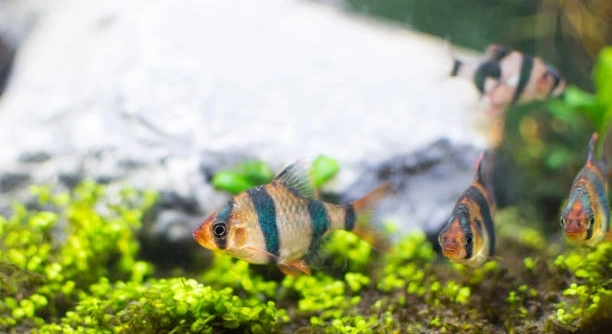
Caring for tiger barbs means paying attention to their environment, especially their water quality. Regular water changes keep their tank clean and healthy. Knowing how often to change water helps maintain a stable home for these lively fish. Water for tiger barbs should be changed about 25 to 30 percent weekly. This schedule maintains water … Read more

7 Things to Know Before Mixing Barb Species

Mixing different barb species in one aquarium can be exciting but requires some care. Many fish owners want to create colorful and lively tanks, but knowing how barb species interact is important. This article will help you understand what to consider before mixing them. Barb species have varying temperaments, sizes, and water needs, which affect … Read more

7 Reasons Tiger Barb Fry Don’t Survive

Many aquarium hobbyists enjoy raising Tiger Barb fry but often face challenges with their survival. These tiny fish are delicate, and many factors can affect their growth and well-being. Understanding these reasons can help improve their chances of thriving. Tiger Barb fry often do not survive due to issues such as poor water quality, inadequate … Read more

Do Barbs React to Other Fish Species?

Barbs are popular freshwater fish known for their lively behavior and vibrant colors. Many aquarium owners enjoy keeping them alongside other species. Observing how barbs interact with different fish is important for maintaining a peaceful tank environment. Barbs do react to other fish species, often displaying territorial or social behaviors depending on the species present. … Read more

Why Tiger Barbs Might Circle the Filter

Tiger Barbs are lively fish that often attract attention with their bright colors and energetic movements. Many aquarium owners notice them swimming near the filter, which can seem puzzling at first. Understanding this behavior helps create a better environment for these active fish. Tiger Barbs circle the filter mainly because of the strong water flow … Read more

7 Ways to Keep a Solo Tiger Barb Stimulated

Keeping a solo tiger barb healthy and happy requires more than just basic care. These active fish need stimulation to thrive when kept alone. Providing the right environment helps prevent boredom and promotes natural behaviors in your fish. Ensuring adequate stimulation for a solitary tiger barb involves offering a variety of environmental enrichments, such as … Read more

Can Tiger Barbs Become Less Social?

Tiger Barbs are popular freshwater fish known for their lively and social behavior in aquariums. Many fishkeepers enjoy watching their energetic interactions and schooling patterns. These fish usually thrive in groups and display a strong sense of community. Tiger Barbs can become less social due to factors like overcrowding, stress, or changes in their environment. … Read more

7 Causes of Rapid Breathing in Barbs

Rapid breathing in barbs can be concerning for many fish owners. It often signals that something in their environment or health is not quite right. Understanding the causes can help keep these fish healthy and comfortable. Rapid breathing in barbs is commonly caused by factors such as poor water quality, low oxygen levels, infections, stress, … Read more