7 Ways to Tell If Platies Are Overcrowded
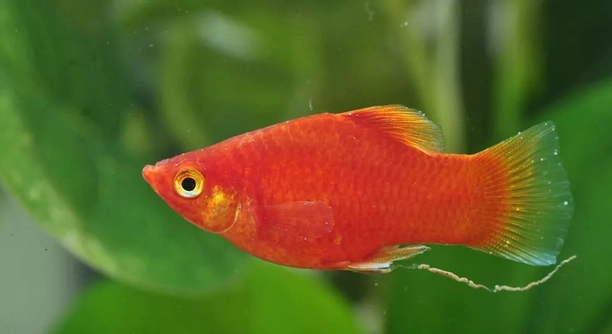
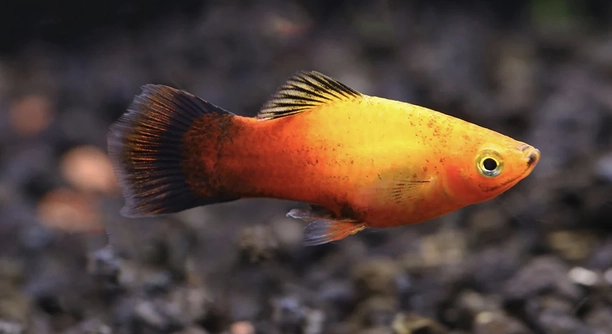
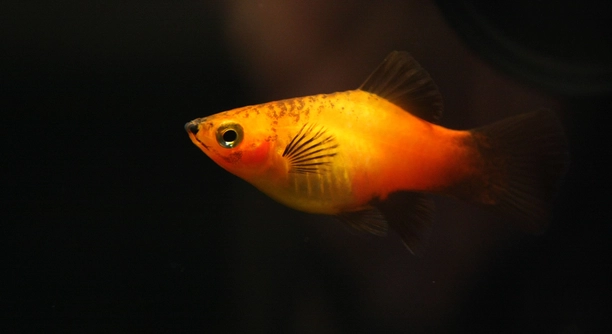
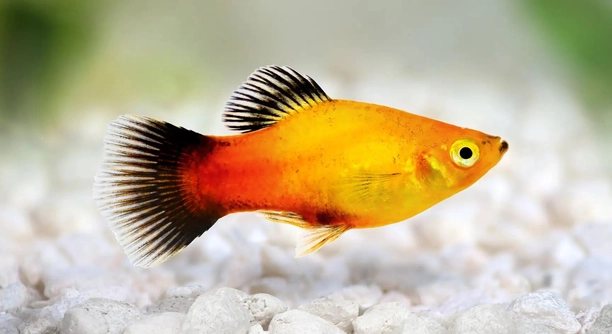
Platies are popular freshwater fish known for their bright colors and easy care. Many fishkeepers enjoy watching them swim in home aquariums. Keeping their environment healthy is important to ensure they thrive and remain happy. Overcrowding in platies happens when too many fish live in a limited space, causing stress, poor water quality, and increased … Read more
Why Do Platies Dislike Moving Decorations?

Platies are popular aquarium fish known for their bright colors and peaceful nature. Many aquarists enjoy decorating their tanks with various ornaments to create a lively environment for their fish. However, platies often show discomfort around moving decorations in their tank. Platies dislike moving decorations because sudden or constant motion can stress them. Their natural … Read more

Why Are My Platies Swimming in Tiny Circles?

Are your platies swimming in tiny circles and acting strangely? Many fish owners notice this unusual behavior and wonder what it means for their pet’s health. It can be a sign of something going on beneath the surface. Platies swimming in circles often indicate stress, illness, or water quality issues. This behavior can result from … Read more

7 Tips to Improve Platy Digestion Naturally

Is your platy showing signs of poor digestion, like bloating or sluggishness, and you’re not sure how to support its health naturally? Improving platy digestion naturally involves optimizing their environment, feeding schedule, and diet. Key factors include water quality, fiber-rich foods, and avoiding overfeeding, all of which support healthy gut function and nutrient absorption in … Read more

7 Ways to Enrich a Bare Platy Tank

A bare platy tank can look plain and may not provide much stimulation for your fish. Creating a more engaging environment helps improve their well-being and can make the tank more visually appealing. Simple changes can make a big difference. Adding plants, decorations, and hiding spots enriches the tank by mimicking natural habitats and promoting … Read more

Do Platies Ever Stop Growing?

Platies are popular freshwater fish known for their bright colors and peaceful nature. Many hobbyists enjoy keeping them in home aquariums. Understanding their growth patterns can help maintain a healthy tank environment. Platies do not grow indefinitely; they typically reach their full size within 6 to 12 months. Growth slows significantly after this period, stabilizing … Read more

Why Do Platies Flick Their Fins?

Platies are small, colorful freshwater fish popular in home aquariums. They often flick their fins in various ways that catch the attention of many fish keepers. Understanding this behavior helps deepen the connection with these lively pets. Platies flick their fins primarily as a form of communication. This fin movement can signal territorial behavior, courtship, … Read more

Do Platies Like Tank Companions That Are Slower?

Platies are popular freshwater fish often kept in home aquariums. Many aquarists wonder about their compatibility with other fish, especially regarding swimming speeds. Understanding how platies interact with slower tank companions can improve their wellbeing. Platies generally tolerate slower tank mates well, as they are peaceful and adaptable. However, the presence of very slow or … Read more

Can Platies Get Confused by Decorations?

Platies are popular freshwater fish often kept in home aquariums. Their bright colors and peaceful nature make them a favorite among hobbyists. Many aquarists enjoy decorating tanks to create an inviting environment for their fish. Platies do not get confused by decorations, but they do respond to changes in their environment. They use visual cues … Read more

Why Is My Platy Swimming in Small Circles?

Many platies are peaceful fish that bring life to home aquariums. Sometimes, they may start swimming in small circles, which can be concerning. This unusual behavior often signals that something is off with their health or environment. Platies swimming in small circles usually indicate a swim bladder disorder, stress, or an infection. These issues affect … Read more