7 Things to Do if Your Rainbow Shark Is Overcrowded
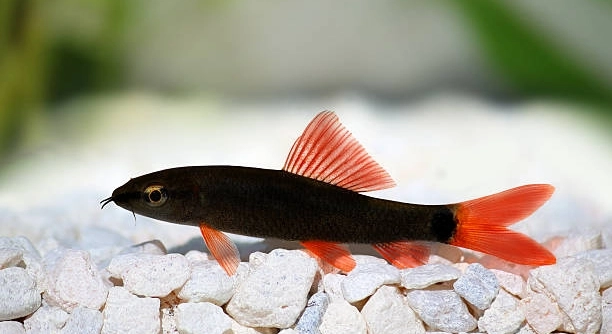
Is your rainbow shark spending more time hiding, acting aggressive, or appearing stressed in its tank? These could be signs that your aquarium is overcrowded and affecting your fish’s well-being. Overcrowding in a rainbow shark’s tank can lead to stress, aggression, and illness due to limited space and territorial behavior. Providing a larger tank and … Read more
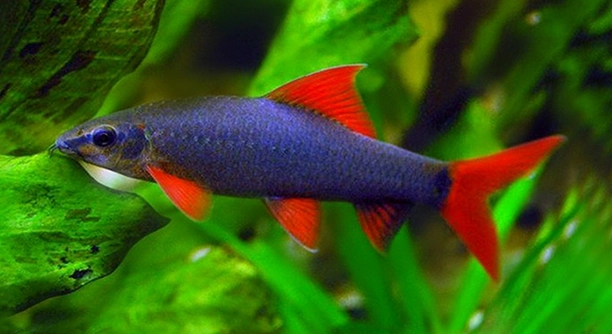
7 Simple Solutions for Rainbow Shark Tank Stress

Rainbow sharks are popular aquarium fish known for their striking colors and active nature. Many owners enjoy watching them, but sometimes caring for these fish can lead to stress. Understanding common tank problems helps improve their environment and health. Managing rainbow shark tank stress involves simple steps like maintaining clean water, providing adequate space, ensuring … Read more

7 Symptoms of Stress in Rainbow Sharks (+How to Help)

Many people enjoy keeping rainbow sharks in their aquariums because of their unique colors and active behavior. However, these fish can show signs of stress that affect their health and well-being. Recognizing stress early is important for maintaining a healthy tank environment. Rainbow sharks often exhibit seven common symptoms of stress, including loss of color, … Read more

7 Things to Know About Rainbow Shark Lifespan

Rainbow sharks are popular freshwater fish known for their striking colors and peaceful nature. Many aquarium enthusiasts enjoy keeping them but often wonder about their lifespan and care needs. Understanding these details helps ensure a healthy environment for these fish. The average lifespan of a rainbow shark ranges from five to eight years in captivity, … Read more

7 Tips for Better Feeding Your Rainbow Shark

Feeding your rainbow shark properly is essential for its health and vibrant colors. Many owners want to ensure their fish receives the right nutrients without overfeeding or causing water issues. A balanced feeding routine supports their natural behavior and growth. Rainbow sharks thrive on a varied diet including high-quality pellets, live or frozen foods, and … Read more

7 Ways to Make Your Rainbow Shark Feel Less Anxious

Rainbow sharks are popular aquarium fish known for their bright colors and active behavior. Many owners enjoy watching them swim, but sometimes these fish can show signs of anxiety or stress. Understanding how to reduce their anxiety is important for their well-being. Rainbow sharks can become anxious due to factors like overcrowding, poor water quality, … Read more

7 Signs Your Rainbow Shark Is Suffering from Poor Water Quality

Rainbow sharks are popular freshwater fish known for their vibrant colors and active behavior. Keeping their tank clean is important to ensure they stay healthy and happy. Poor water quality can cause stress and health problems for these fish. Rainbow sharks show clear signs when water quality is poor, including faded color, sluggish movement, gasping … Read more

7 Ways to Tell If Your Rainbow Shark Is Underfed

Are your rainbow sharks showing signs of weakness or sluggishness? Maintaining proper feeding habits is essential to keep these fish healthy and active. Many owners may not recognize the subtle signs that indicate their rainbow shark is underfed. Rainbow sharks display specific physical and behavioral changes when underfed. These include weight loss, faded coloration, decreased … Read more

7 Ways to Encourage Your Rainbow Shark to Socialize

Rainbow sharks are popular freshwater fish known for their vibrant colors and active nature. Many owners enjoy watching their unique behavior but sometimes notice these fish staying hidden or alone. Encouraging social interaction can enhance their wellbeing. To encourage a rainbow shark to socialize, it is important to create a suitable environment with ample space, … Read more

7 Reasons Your Rainbow Shark Is Swimming Oddly

Is your rainbow shark suddenly swimming in strange patterns, staying near the top, or even darting around the tank for no clear reason? Odd swimming behavior in rainbow sharks is usually caused by stress, poor water quality, illness, or improper tank setup. These factors can affect their behavior, making them swim erratically or isolate themselves … Read more