7 Things That Impact Clownfish Energy Levels
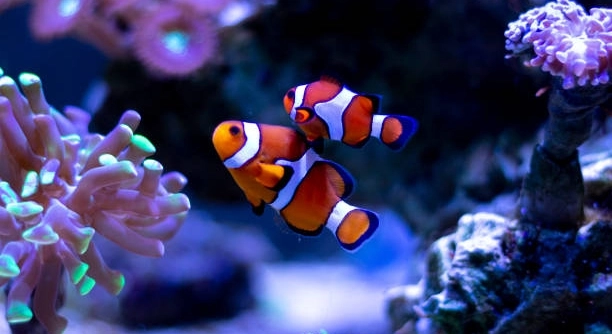
Clownfish are popular aquarium fish known for their bright colors and lively behavior. Their energy levels can change depending on several factors in their environment and care. Understanding what affects their activity helps keep them healthy and happy. Several factors impact clownfish energy levels, including water temperature, oxygen availability, diet quality, tank size, stress from … Read more
7 Signs Clownfish Are Ready for a New Tankmate

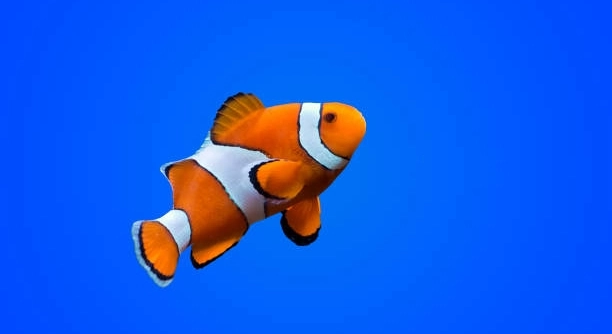
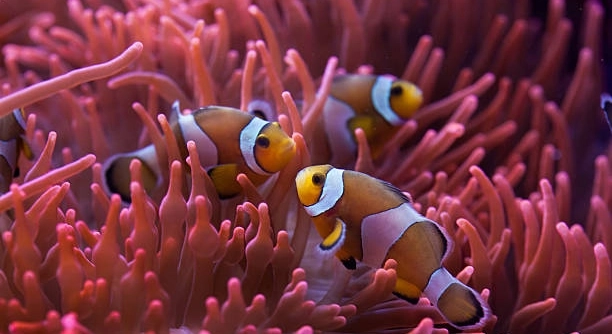
Are your clownfish acting a little different lately, making you think it might be time to introduce a new tankmate? Clownfish often show signs like reduced aggression, increased curiosity, stable health, and territorial calmness when they are ready for a new tankmate. These behaviors indicate a balanced environment, suggesting the introduction of another fish may … Read more

Why Is My Clownfish Breathing Rapidly?

Clownfish are popular in home aquariums for their bright colors and active behavior. Observing them closely often reveals small changes in their breathing patterns. Rapid breathing can be a sign that something is affecting their well-being. Rapid breathing in clownfish is usually caused by stress, poor water quality, or low oxygen levels. These factors can … Read more

Why Do Clownfish Avoid Open Water?

Clownfish are small, colorful fish often found in coral reefs. They spend most of their time close to sea anemones, rarely swimming far into open water. Their behavior helps them stay safe in a dangerous environment. Clownfish avoid open water because it exposes them to predators and harsh conditions. Staying near anemones provides protection through … Read more

Do Clownfish Like Currents or Still Water?

Have you ever watched your clownfish swim and wondered if they prefer gentle stillness or a bit of water movement in their tank? Understanding their comfort needs can help you create a healthier environment for them. Clownfish prefer moderate water currents over still water. In the wild, they inhabit reef areas with consistent water movement, … Read more

7 Reasons Clownfish Might Reject a New Tankmate

Clownfish are popular aquarium pets known for their bright colors and lively behavior. Many aquarists enjoy keeping them with other fish to create a vibrant tank environment. However, introducing new tankmates can sometimes lead to unexpected challenges. Clownfish may reject new tankmates due to territorial behavior, stress from environmental changes, incompatible species traits, competition for … Read more

7 Myths About Clownfish (+The Truth)

Clownfish are popular in home aquariums and are often featured in movies and books. Many people enjoy their bright colors and interesting behavior. However, there are several common myths about clownfish that can lead to misunderstandings about their care and nature. Many myths about clownfish persist, including false beliefs about their diet, social behavior, and … Read more

Can Clownfish Share a Host Without Fighting?

Clownfish are popular aquarium fish known for living closely with sea anemones. Many fishkeepers wonder if clownfish can share one host without conflict. Understanding their behavior helps create a peaceful tank environment. Clownfish can share a host anemone, but only under certain conditions. Typically, a dominant pair controls the space, and extra fish may lead … Read more

Why Did My Clownfish Abandon the Anemone?

Clownfish and sea anemones share a well-known partnership in home aquariums and natural reefs. Many fishkeepers expect clownfish to stay close to their anemone companions. However, sometimes the clownfish will leave the anemone unexpectedly. Clownfish may abandon their anemone due to stress, changes in water conditions, illness, or if the anemone is unhealthy or unsuitable. … Read more

Why Is My Clownfish Only Active When I’m Watching?

Clownfish are popular aquarium pets known for their bright colors and interesting behaviors. Many owners notice their clownfish seem more lively when they are nearby. This curious activity often sparks questions about why fish behave differently around people. Clownfish are more active when observed because they respond to external stimuli like movement and light. This … Read more