7 Tiny Clues That Reveal Clownfish Emotions
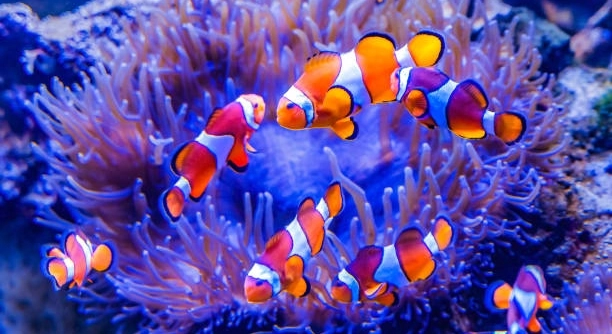
Clownfish are small, colorful fish often seen in coral reefs. These fish show different feelings through tiny movements and behaviors. Learning to read these signs can help us understand their emotions better. Clownfish express emotions through subtle clues such as changes in color intensity, fin movements, body posture, and interaction patterns with other fish. These … Read more
Do Clownfish Like Moving Decorations?

Have you ever set up your aquarium just right, only to wonder if your clownfish actually notice the moving decorations you added? Clownfish do not show a preference for moving decorations. Their behavior is more influenced by their natural instincts, territory needs, and host anemones. While they may explore new items, movement alone does not … Read more

What Causes Clownfish to Lose Color?

Clownfish are known for their bright, vibrant colors that make them popular in home aquariums and coral reefs. Sometimes, these colorful fish lose their striking hues, which can be worrying for fish lovers. Understanding why this happens can help keep clownfish healthy and beautiful. Clownfish lose color primarily due to stress, poor water quality, inadequate … Read more

Do Clownfish Show Interest in Bright Colors?

Clownfish are well known for their bright orange and white colors that stand out vividly in the ocean. These vibrant hues play an important role in their behavior and interaction within their environment. Understanding their response to colors helps reveal more about their nature. Clownfish show a natural preference for bright colors, which aid in … Read more

7 Unexpected Things That Calm Clownfish

Clownfish are well-known for their bright colors and unique relationship with sea anemones. These small fish live in coral reefs and have behaviors that help them stay safe and calm. Their environment plays a big role in how they react to stress and threats. Several unexpected factors help calm clownfish, including gentle water flow, presence … Read more

Can Clownfish Become Depressed?

Do you ever find yourself wondering if fish can feel emotions the way humans and other animals do? It’s a thought that can come up while watching a calm aquarium or reading about marine life behavior. Clownfish do not experience depression in the same way humans do, but studies show they can display stress-related behaviors … Read more

Why Is My Clownfish Swimming in Tight Circles?

Clownfish are popular pets in home aquariums, admired for their bright colors and playful behavior. Sometimes, owners notice their clownfish swimming in tight circles, which can be surprising and concerning. This behavior is often a sign that something is affecting the fish’s well-being. Clownfish swimming in tight circles usually indicate stress, illness, or neurological issues. … Read more

7 Sound Triggers That Upset Clownfish

Clownfish are popular in home aquariums for their bright colors and lively behavior. However, certain sounds in their environment can cause stress or discomfort. Understanding these sound triggers is important for keeping them healthy and calm. Seven specific sound triggers have been identified that can upset clownfish. These include sudden loud noises, vibrations from equipment, … Read more

7 Triggers That Start Clownfish Courtship

Do you ever find yourself watching clownfish and wondering what starts their graceful dances and careful pairings during courtship? These tiny reef fish don’t just choose a mate by chance—something always sets the process in motion. Clownfish courtship is triggered by a mix of environmental cues and social interactions, including changes in light, food availability, … Read more

Why Does My Clownfish Always Stay in the Corner?

Clownfish are popular pets in home aquariums. Many owners notice their fish spending a lot of time in one spot, often in a corner. This behavior can seem strange or worrying at first glance. Clownfish often stay in corners due to feelings of stress, territorial behavior, or seeking shelter. This behavior helps them feel safe … Read more