7 Clownfish Reactions to Strong Water Flow
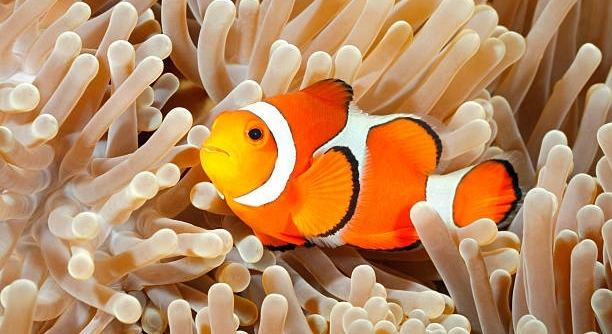
Have you ever noticed your clownfish acting differently when your aquarium’s water flow becomes a bit stronger than usual? Clownfish often react to strong water flow by seeking shelter, reducing their activity, or adjusting their swimming patterns. These behaviors help them conserve energy and maintain stability in their environment. Observing these changes can give you … Read more

7 Early Warnings Your Clownfish Isn’t Well

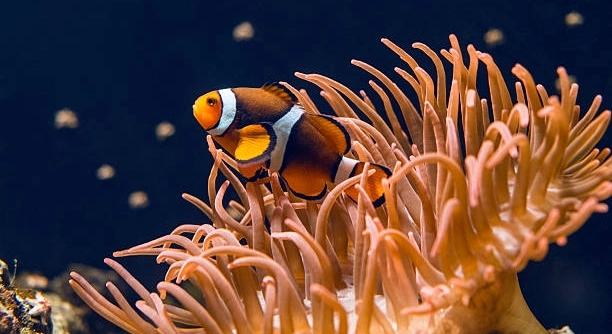
Are your clownfish showing signs that they might not be feeling well? Keeping these colorful fish healthy can be challenging without knowing the early signs of illness. Recognizing these warnings can help you act before the problem worsens. Clownfish often display specific behaviors and physical changes when they are unwell. Early indicators include loss of … Read more

Can Clownfish Remember Specific Areas?

Clownfish are well known for their vibrant colors and interesting behaviors in coral reefs. Many people find themselves curious about how these fish interact with their environment. Understanding their memory and navigation helps us learn more about their daily lives. Clownfish have the ability to remember specific areas within their habitat. Research shows that they … Read more

7 Reasons Clownfish Might Refuse New Food

Are your clownfish refusing to eat the new food you’ve added to their tank, leaving you confused and a little concerned? Clownfish might reject new food due to factors like unfamiliar scent, taste, or texture. Stress, recent environmental changes, or underlying health issues can also play a role in their sudden disinterest in eating. Understanding … Read more

What Substrate Is Best for Clownfish Tanks?

Is your clownfish tank looking a little dull or hard to maintain? Choosing the right substrate can make a big difference. It affects how your tank looks, how clean it stays, and even your fish’s comfort. The best substrate for clownfish tanks is fine aragonite sand. This material supports marine water chemistry by helping to … Read more

Do Clownfish Get Along With Shrimp?

Clownfish and shrimp often share the same coral reef environments, making their interactions interesting to observe. Many aquarium enthusiasts wonder how well these two species coexist when placed together in a tank. Their relationship can vary depending on species and conditions. Clownfish and shrimp can coexist peacefully under proper conditions. Certain shrimp species, such as … Read more

7 Mistakes That Can Cause Clownfish Pair Failure

Clownfish are popular pets for many aquarium enthusiasts. Keeping a healthy clownfish pair can be rewarding but also challenging. Understanding common mistakes can help avoid problems in your tank. Clownfish pair failure often results from errors in tank setup, poor water quality, improper feeding, incompatible tank mates, stress, inadequate hiding spaces, and failure to recognize … Read more

Can Clownfish Get Bored in Minimal Tanks?

Have you ever noticed your clownfish acting less active or hiding more often in a small, sparsely decorated aquarium setup? Clownfish can exhibit signs of boredom or stress when kept in minimal tanks with limited stimulation. Without enough environmental enrichment, they may show repetitive behaviors, reduced activity, or even aggression. These changes reflect a need … Read more

7 Tank Changes That Encourage Clownfish Hosting

Clownfish are popular in home aquariums due to their vibrant colors and interesting behavior. Setting up the right environment encourages them to host anemones successfully. Simple changes in the tank can make a big difference for their health and comfort. Seven specific adjustments to the aquarium environment help clownfish feel secure enough to host anemones. … Read more

7 Times Clownfish Behavior Looks Like Illness

Clownfish are popular in home aquariums because of their bright colors and interesting behaviors. Sometimes, their actions can look unusual or worrying to owners. These behaviors might be mistaken for signs of illness, causing concern. Certain clownfish behaviors that seem like illness, such as hiding, lethargy, or rapid breathing, can actually be normal responses to … Read more