7 Myths About Clownfish Behavior Debunked

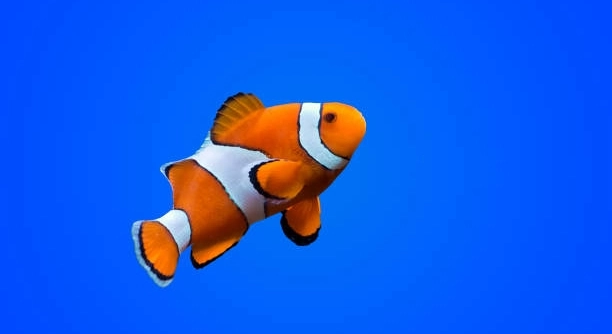
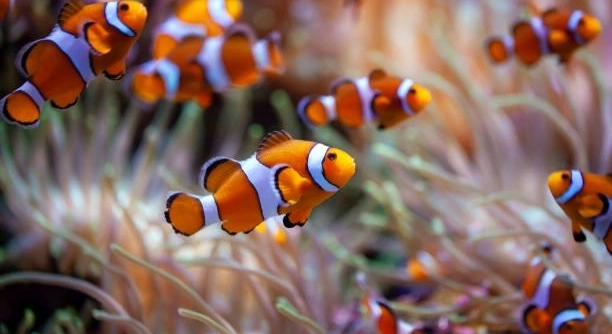
Clownfish are popular marine creatures often seen in aquariums and nature documentaries. Many people admire their bright colors and interesting behaviors. However, some common ideas about how clownfish act are not entirely accurate. Several myths about clownfish behavior persist, but scientific observations show that many assumptions, such as their constant aggression or dependence solely on … Read more
Do Clownfish Adjust to Routine Changes Quickly?

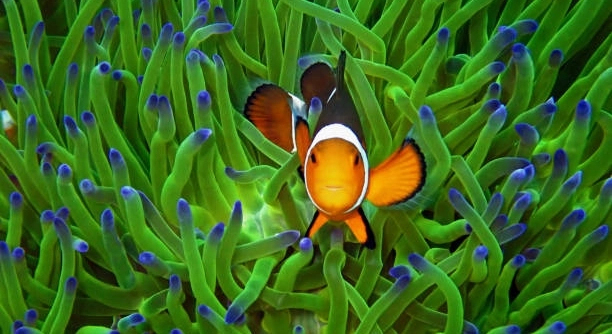
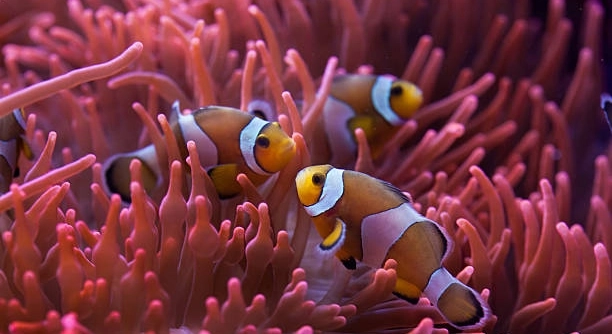
Do you ever find yourself watching your aquarium and wondering how your clownfish respond when something in their daily pattern shifts? Clownfish are capable of adjusting to routine changes, but the speed and ease of their adaptation depend on the type of change, environmental stability, and individual temperament. Minor changes are often tolerated better than … Read more

7 Visual Signs Clownfish Use to Claim Space

Clownfish are known for their bright colors and strong territorial behavior. They use different visual cues to communicate and protect their space in coral reefs. These signals help them avoid conflicts and maintain order among their neighbors. Clownfish claim space through seven distinct visual signs, including specific body postures, fin displays, color changes, and movements. … Read more

What Causes Clownfish to Dig in Gravel?

Clownfish are popular aquarium fish known for their bright colors and playful behavior. Many owners notice them digging in gravel, which can seem puzzling at first. This activity is actually a natural and common behavior in clownfish. Clownfish dig in gravel primarily to create a safe nesting site and to search for food particles. This … Read more

7 Lighting Changes That Affect Clownfish Moods

Clownfish are popular aquarium fish known for their bright colors and playful behavior. Their moods can change based on different factors in their environment. One important factor that influences clownfish mood is lighting. Lighting changes affect clownfish moods by altering their activity levels, stress responses, and social behaviors. Variations in light intensity, color, and duration … Read more

7 Things Clownfish Do When They’re Settled

Clownfish are colorful and popular in home aquariums. They have interesting behaviors once they find a place to live comfortably. Observing what they do can help fishkeepers understand their needs better. When clownfish are settled, they establish territory, interact with their host anemone, feed regularly, swim actively within their area, show social behaviors with other … Read more

Why Do Clownfish Hover Over the Same Spot?

Do you ever notice clownfish hovering in one place, gently swaying with the water, and wonder what keeps them so still? Clownfish hover over the same spot because they live in a mutualistic relationship with sea anemones. This behavior keeps them close to their host for protection and food. Their movements are part of maintaining … Read more

Why Did My Clownfish Stop Interacting With Me?

Many aquarium owners enjoy the lively presence of their clownfish. These vibrant fish often seem social and interactive. When a clownfish suddenly stops engaging, it can feel confusing and disappointing. Understanding the reasons behind this change is important for their care. Clownfish may stop interacting due to stress, illness, changes in their environment, or shifts … Read more

7 Common Causes of Clownfish Mood Swings

Clownfish are popular pets because of their bright colors and lively behavior. Sometimes, though, their moods can change suddenly, making them seem restless or withdrawn. Understanding these mood swings can help keep them healthy and happy. Clownfish mood swings are commonly caused by changes in water quality, improper diet, stress from tank mates, lack of … Read more

Why Does My Clownfish Sometimes Lay Flat on Rocks?

Clownfish are popular aquarium pets known for their bright colors and lively behavior. Sometimes, they rest flat on rocks, which can catch the attention of fish owners. This behavior can be surprising and lead to concerns about their health. Clownfish lying flat on rocks is usually a sign of resting, stress, illness, or environmental discomfort. … Read more