7 Subtle Personality Differences in Clownfish
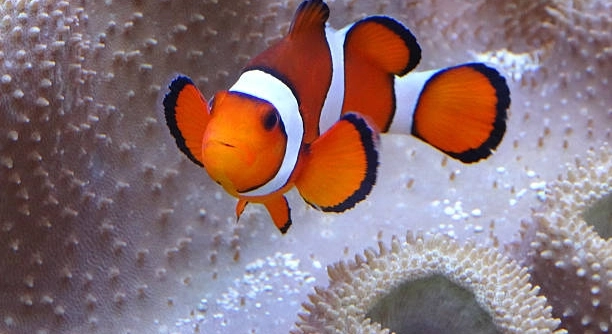
Clownfish are known for their bright colors and lively movements. Many people think all clownfish behave the same, but they actually show small differences in personality. These subtle traits make each fish unique in its own way. Clownfish exhibit subtle personality differences such as varying levels of boldness, social behavior, aggression, and curiosity. These traits … Read more

How Can I Help My Clownfish Adjust Faster?

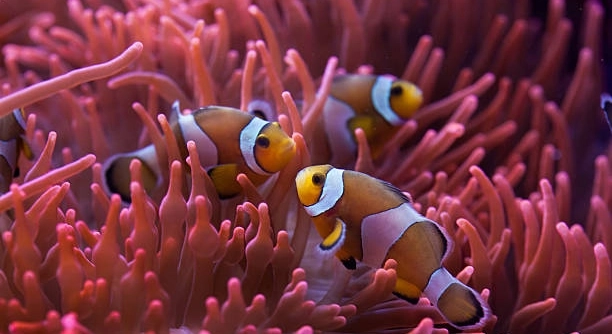
Clownfish are popular pets in home aquariums, but they can take time to get comfortable in a new tank. Helping them adjust quickly involves understanding their needs and environment to reduce stress and promote healthy behavior. To help clownfish adjust faster, provide a stable tank environment with proper water parameters, introduce hiding spots, and avoid … Read more

7 Clownfish Behaviors That Mean “Back Off”

Clownfish are popular in home aquariums because of their bright colors and unique behaviors. They communicate a lot through body language and sounds. Sometimes, their actions are meant to warn others to keep their distance. Certain clownfish behaviors clearly indicate a desire to be left alone. These include specific fin displays, rapid swimming movements, and … Read more

Why Is My Clownfish Hiding in the Filter?

Clownfish are popular pets in home aquariums, loved for their bright colors and playful nature. Sometimes, they behave differently, such as hiding in places like the filter. This behavior can worry many fish owners. Clownfish often hide in the filter because they feel stressed, scared, or unwell. Environmental factors like water quality, tank conditions, or … Read more

7 Signs of Stress in Clownfish (+How to Fix It)

Clownfish are popular in home aquariums due to their bright colors and lively behavior. Like all fish, they can experience stress, which affects their health and wellbeing. Recognizing signs of stress early is important for their care and survival. Stress in clownfish can show through changes such as loss of color, erratic swimming, hiding, reduced … Read more

Can Clownfish “Pout” or Show Displeasure?

Clownfish are well-known for their bright colors and interesting behaviors in the ocean. Many people enjoy watching them in aquariums or nature documentaries. These small fish have unique ways of communicating with each other and their environment. Clownfish do not actually “pout” or show displeasure through facial expressions like humans. Instead, they communicate using body … Read more

7 Clownfish Grooming Behaviors Explained

Clownfish are small, colorful fish often found in coral reefs. They have interesting ways of keeping themselves clean and healthy. These behaviors help them survive and thrive in their natural homes. Clownfish grooming behaviors include cleaning their bodies, maintaining their protective mucus layers, and removing parasites. These actions ensure proper health, help avoid infections, and … Read more

Why Is My Clownfish Shaking Violently?

Is your clownfish suddenly shaking or twitching in a way that seems strange or worrying compared to its usual behavior? Clownfish often shake or tremble as part of their natural social behavior, especially during dominance displays. However, if the movement is excessive or paired with other symptoms, it could signal stress, illness, or poor water … Read more

7 Tank Features That Build Clownfish Confidence

Clownfish need a tank environment that helps them feel safe and secure. Many factors in the tank can influence their behavior and overall confidence. Understanding these features can improve their well-being in a home aquarium. Seven key tank features contribute to building clownfish confidence, including proper tank size, stable water conditions, adequate hiding spots, compatible … Read more

Can Clownfish Identify Tank Changes Quickly?

Clownfish are popular pets for many aquarium lovers. They live in colorful coral reefs and adapt well to tanks. Keeping their environment stable is important for their health and behavior in captivity. Clownfish can recognize changes in their tank quickly through visual and chemical cues. Their sensitivity helps them respond to new objects, water quality … Read more