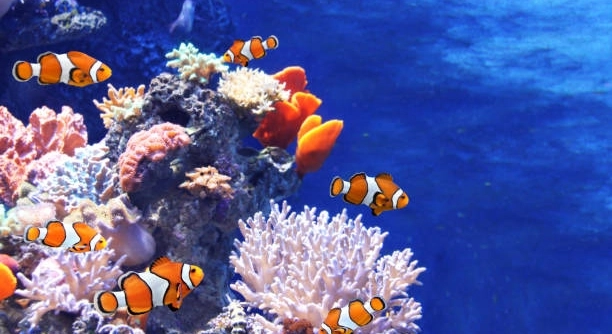
7 Unexpected Items That Make Clownfish Curious
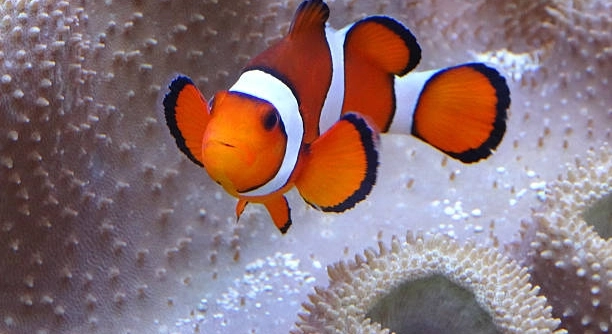
Clownfish are known for their bright colors and lively behavior in home aquariums. These small fish often show interest in many things around them, sometimes surprising their owners. Understanding what catches their attention helps improve their environment. Clownfish display curiosity toward various unexpected items such as shiny objects, artificial plants, bubbles, reflections, small toys, floating … Read more
7 Behavioral Changes After Moving Clownfish

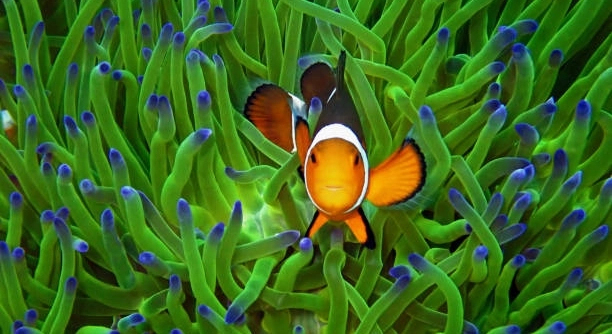
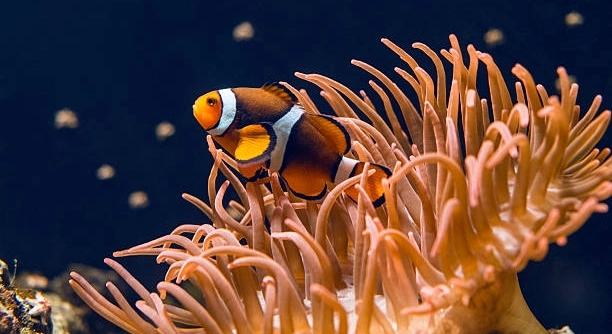
Moving clownfish can lead to noticeable shifts in their behavior. These changes often reflect how the fish adapt to new environments or adjust their interactions with other tank inhabitants. Understanding these shifts is important for maintaining a healthy aquarium. Seven key behavioral changes typically occur after relocating clownfish, including altered aggression levels, changes in feeding … Read more

7 Myths About Clownfish Behavior

Have you ever been fascinated by the colorful world of clownfish but felt unsure about what behaviors are actually true? Many common beliefs about clownfish behavior are based on outdated information or misinterpretations. Scientific research shows that these fish exhibit complex social structures, symbiotic relationships, and adaptive behaviors that are often misunderstood or oversimplified. From … Read more

7 Reasons Clownfish Stay at the Top of the Tank

Clownfish are popular aquarium pets known for their bright colors and lively behavior. Many owners notice these fish often stay near the top of the tank. Understanding why they prefer this area can help improve their care and tank setup. Clownfish tend to stay at the top of the tank due to factors such as … Read more

7 Clownfish Traits That Appear After Maturity

Clownfish are well-known for their bright colors and unique behaviors. These traits don’t all show up right away but develop as the fish mature in their natural habitat. Understanding these changes helps appreciate their fascinating life cycle. Several distinct traits appear in clownfish after maturity, including changes in coloration, increased territorial behavior, social hierarchy establishment, … Read more

7 Things That Disrupt Clownfish Sleeping Patterns

Clownfish are fascinating creatures that depend on regular sleep to stay healthy. Their sleeping patterns can be influenced by various factors in their environment. Understanding these disruptions can help in maintaining their well-being in captivity or the wild. Several factors disrupt clownfish sleeping patterns, including light exposure, water temperature changes, noise pollution, presence of predators, … Read more

7 Signs Your Clownfish Pair Isn’t Compatible

Are your clownfish constantly chasing each other, refusing to share their space, or showing signs of constant stress in the tank? Incompatibility in clownfish pairs often shows through persistent aggression, territorial disputes, and an overall lack of bonding behavior. These signs indicate the fish are unlikely to form a stable pair and may require separation. … Read more

Can Clownfish Bond Without an Anemone?

Clownfish are known for their close relationship with sea anemones. Many people wonder if clownfish can form bonds without the presence of an anemone nearby. This connection is important for their safety and social behavior. Clownfish can bond without an anemone, but these bonds tend to be less stable and less protective. Anemones provide shelter … Read more

Why Is My Clownfish Always Near the Bubbles?

Many clownfish often stay close to bubbles in their tanks, which can catch the attention of aquarium owners. This behavior may seem unusual but is quite common among these colorful fish. Understanding their reasons helps improve tank care. Clownfish stay near bubbles mainly because of the increased oxygen levels and water movement. The bubbles create … Read more

Why Does My Clownfish Hover Over the Heater?

Is your clownfish spending more time hovering near the heater than swimming around its tank, leaving you feeling slightly concerned or confused? Clownfish often hover near the heater due to temperature regulation needs. If the rest of the tank is too cold or unevenly heated, the fish may seek warmth in that specific area to … Read more