Can Clownfish Adapt to Bare-Bottom Tanks?
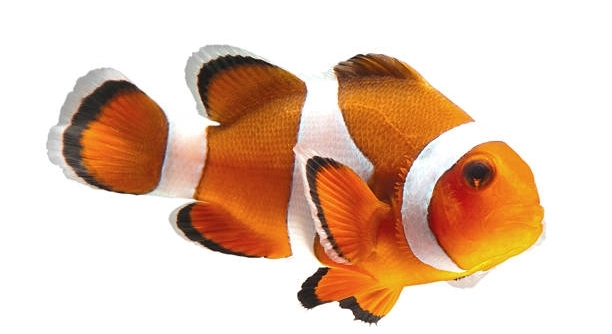
Have you ever watched your clownfish swim across their tank and wondered if they could thrive without a sandy bottom or gravel? Clownfish can adapt to bare-bottom tanks if certain conditions are met. These include stable water quality, adequate filtration, proper tank decor, and hiding spots that mimic natural environments. Monitoring stress levels is also … Read more
Do Clownfish Prefer Real or Fake Anemones?

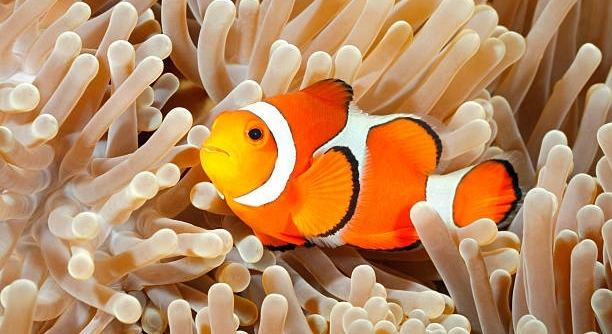
Many people enjoy keeping clownfish in their home aquariums and often wonder about their relationship with sea anemones. These small fish live closely with anemones in the wild, creating a unique bond. Understanding this connection can help aquarium owners care for them better. Clownfish show a clear preference for real anemones over artificial ones. Real … Read more

7 Causes of Clownfish Swimming in Circles

Clownfish are popular pets in home aquariums because of their bright colors and interesting behavior. Sometimes, these fish swim in circles, which can be puzzling to observe. Understanding why they do this helps keep them healthy and comfortable. Clownfish swimming in circles can be caused by stress, poor water quality, illness, injury, parasites, lack of … Read more

7 Clownfish Sleep Habits You Might Not Notice

Clownfish are small, colorful fish often seen in coral reefs and home aquariums. Their behaviors, especially when resting, are subtle and easily missed by casual observers. Understanding these sleep habits reveals more about their natural rhythms. Clownfish exhibit distinct sleep patterns, including reduced activity, hiding in safe spots, and lowered metabolism during rest. These behaviors … Read more

7 Signs Your Clownfish Pair Is Rebonding

Clownfish are known for their strong pair bonds, but sometimes these connections weaken. Observing how your clownfish interact can reveal when they are beginning to reconnect. Recognizing these signs helps maintain a healthy and balanced aquarium environment. Clownfish rebond through specific behaviors such as swimming closely together, mutual cleaning, synchronized movements, and sharing territory. These … Read more

Why Are My Clownfish Avoiding the Anemone?

Are your clownfish spending less time near the anemone than you expect? Many aquarium owners notice this change and wonder what might be causing it. This behavior can be puzzling when clownfish usually seek protection there. Clownfish may avoid anemones due to stress, poor water quality, or the anemone’s health declining. Environmental changes or lack … Read more

Why Do Clownfish Bite Other Fish?

Clownfish are colorful, small fish often seen in coral reefs. They live in close relationships with sea anemones. People notice that clownfish sometimes bite other fish, which can seem surprising given their size and appearance. Clownfish bite other fish mainly to protect their territory and their host anemone. This behavior is a form of aggression … Read more

Why Is My Clownfish Swimming Weird? (7 Fixes)

Clownfish are popular pets known for their bright colors and lively behavior. Sometimes, their swimming can look unusual or off-balance, which might cause concern for their health and well-being. Understanding the reasons behind this behavior is important for proper care. Abnormal swimming in clownfish often results from health issues such as swim bladder disorders, water … Read more

Can Clownfish Prefer One Light Intensity Over Another?

Clownfish are popular aquarium fish known for their bright colors and lively behavior. Their environment plays a big role in their well-being, especially lighting. Different light intensities can affect their activity and health in subtle ways. Research indicates that clownfish do show preferences for specific light intensities. They tend to favor moderate lighting conditions that … Read more

7 Times When Clownfish Behavior Seems Random

Clownfish are known for their bright colors and unique relationship with sea anemones. Their movements sometimes appear unpredictable, making their behavior seem random at times. Observing these moments can reveal surprising patterns beneath the surface. Clownfish behavior may seem random due to environmental factors, social interactions, and instinctive responses. These elements influence their movements and … Read more