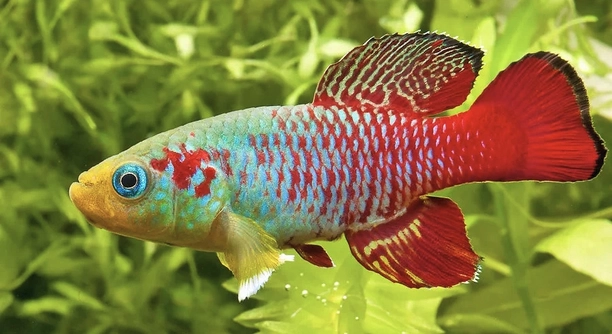
7 Things to Consider Before Breeding Killis
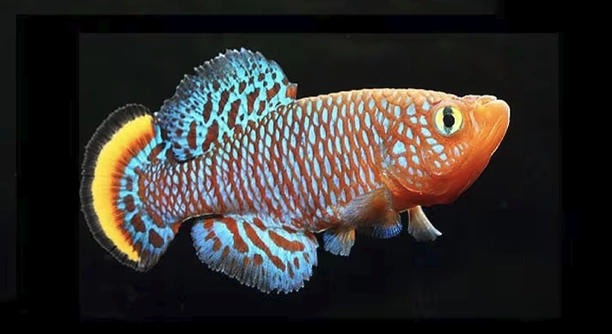
Breeding killifish, or killis, is a rewarding hobby that requires careful preparation. Many enthusiasts find that understanding key aspects before starting helps avoid common pitfalls and ensures healthier, thriving fish. This article highlights important factors to keep in mind. Before breeding killis, it is crucial to consider tank setup, water conditions, species compatibility, diet, breeding … Read more
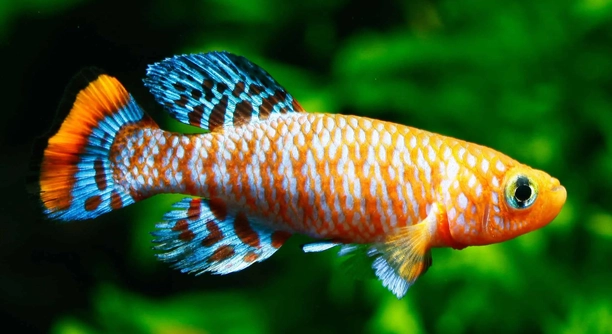
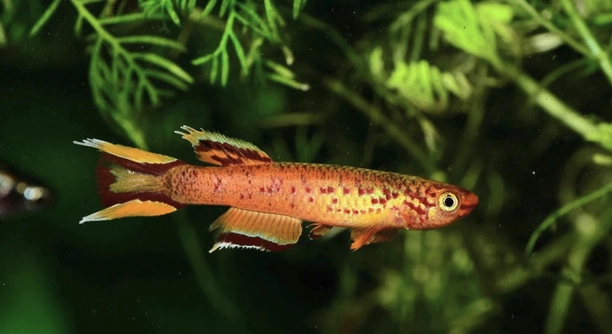
7 Simple Ways to Enrich a Killi Tank

Keeping a killi tank interesting and healthy is important for the well-being of these small fish. Enriching their environment helps them stay active and reduces stress. Many simple changes can make a big difference in their daily lives. To enrich a killi tank, provide varied plants, hiding spots, gentle water flow, appropriate lighting, live food, … Read more

Are DIY Killi Fish Tanks Worth It?

Are you interested in setting up a killifish tank on your own? Many hobbyists enjoy the process of building and customizing their tanks. It can be rewarding to see your fish thrive in a home-made environment. DIY killifish tanks can be worthwhile if properly planned and maintained. They offer customization and cost savings but require … Read more

Do Killi Fish Prefer Fast Flowing Water?

Killi fish are small freshwater fish that attract many aquarium lovers. Their natural habitats vary, and water flow plays an important role in their comfort. Understanding their preference helps create a healthy environment for them to thrive. Killi fish generally prefer slow to moderate water flow rather than fast currents. Their bodies and behaviors are … Read more

Can Killifish Breed Without Mops?

Killifish are popular aquarium fish known for their unique breeding habits. Many hobbyists use mops to help these fish lay eggs safely. Understanding whether killifish can breed without mops is important for both beginners and experienced keepers. Killifish can breed without mops, but providing a spawning medium improves egg survival and hatching success. Without mops, … Read more

7 Tank Layout Ideas That Killis Love

Do your killifish seem uninterested in their surroundings no matter how much effort you put into decorating their tank setup? Killifish thrive in layouts that mimic natural habitats, feature dense planting, provide shaded areas, and include soft substrate. Creating variety in structure and hiding spaces supports their territorial behavior and promotes overall well-being. From plant-filled … Read more

Why Is My Killi Lying on Its Side?

Is your killifish lying on its side and not acting like usual? This behavior can be worrying for anyone who cares for these delicate fish. Understanding why it happens is important for their health and well-being. A killifish lying on its side is often a sign of stress, illness, or poor water conditions. Common causes … Read more

Why Do Killi Fish Sometimes “Play Dead”?

Killi fish sometimes behave in unusual ways, including what looks like “playing dead.” This curious behavior can catch the attention of fishkeepers and nature observers alike. Understanding why it happens sheds light on their unique survival tactics. Killi fish “play dead” as a defense mechanism to avoid predators. By remaining motionless and appearing lifeless, they … Read more

What to Do If Your Killis Seem Lethargic

Killis are colorful and lively fish that many enjoy keeping in their aquariums. Sometimes, these fish may act slower than usual or seem less active. Knowing what to do when your killis appear lethargic is important for their well-being. When killis seem lethargic, the primary response should be to check water quality, temperature, and oxygen … Read more

Why Are My Killis Gasping but Water Is Fine?

Are your killifish gasping at the water surface even though the water appears fine? This behavior can be worrying for any fish keeper. Understanding the reasons behind this can help you care for your killis better. Killifish gasping despite good water quality usually indicates issues such as low oxygen levels, high water temperature, or stress. … Read more